

Use semi-rigid card holders for grading submissions and short-term submission-ready storage. Use a toploader for shipping and long-term display. The workflow that graders expect is simple: penny sleeve first, then semi-rigid, then a cardboard sandwich secured with rubber bands before it goes into a team bag or box. If you’re preparing a thick patch card or shipping something valuable across the country, reach for a toploader instead.
TL;DR:
- Semi-rigid holders are ideal for grading intake due to their flexibility, enabling quick and low-contact handling, unlike the more rigid toploaders intended for shipping or display.
- Materials matter: choose PVC-free or polypropylene semi-rigids labeled as archival-safe, as older or unmarked holders may contain plasticizers that damage cards over time.
- Proper sizing depends on your grading service standards and card thickness; measure your cards accurately and select holders rated for the appropriate points, especially for thicker memorabilia.
- Follow a strict packing workflow: sleeve first, insert into semi-rigid, sandwich with cardboard, band securely, and use appropriate boxes to avoid rework fees or damage during submission.
- Use semi-rigid holders for storage only until grading, as they are not suitable long-term, and store filled holders flat and in a cool, dry environment to prevent warping or deterioration.
Table of Contents
- What Are Semi-Rigid Card Holders?
- Why Material Matters More Than Most Collectors Realize
- What Size Semi-Rigid Do You Actually Need?
- How to Pack Cards for Grading Without Getting Flagged
- Semi-Rigid or Toploader: Which One for Shipping?
- Measuring, Buying, and Packing Like You’ve Done This Before
- What Do Semi-Rigid Card Holders Cost?
- How to Tell If a Semi-Rigid Holder Is Actually Good
- Which Brands and Sellers Do Collectors Actually Trust?
- Spotting a Counterfeit or Low-Quality Holder Before You Buy
- Storing Semi-Rigids Long-Term Without Ruining Them
- What Collectors Actually Say About Using Semi-Rigids
- Why Skipping a Step in This Workflow Always Costs You Later
- Get the Right Supplies and the Cards Worth Protecting Them
- Sources
- FAQ
What Are Semi-Rigid Card Holders?
A semi-rigid card holder is a thin, flexible plastic sleeve with a lip cut into one end, built so a card can slide in and a grader can flex the plastic to pull it back out without touching the surface. That flex is the entire point. A toploader is rigid and protective but slower to open; a semi-rigid bends just enough for fast, low-contact handling during grading intake, which is why PSA and other graders build their submission process around it.
Shoppers browsing product pages will run into a handful of recurring formats. Retail listings typically describe these holders as “thin yet sturdy” clear plastic sold in bulk counts, and Vault X’s semi-rigid holder listings are a good example of how manufacturers frame the material and the standard sizing shoppers should expect.
Here’s what actually shows up on the shelf or the checkout page:
- Pack sizes: 50, 100, 200, and 500 count boxes are standard. Buy 50 to test a new supplier, 200 if you’re prepping a real grading batch, 500 if you submit regularly.
- Standard holders: sized for typical modern and vintage cards, the size most collectors will use 90% of the time.
- Tall holders: built for taller vintage cards, oversized inserts, and some minor league or promo issues that don’t match standard dimensions.
- Oversized holders: for postcards, box toppers, and non-standard memorabilia pieces.
When you’re reading a listing, look past the marketing copy for four things: exterior dimensions, interior dimensions, stated point (pt) capacity, and a claim about lip size, usually described as a “1/2 inch lip.” If a listing skips all four, you’re buying blind.
Why Material Matters More Than Most Collectors Realize
Not every clear plastic holder is safe for long-term contact with your cards. Older or unmarked semi-rigids can be made from PVC that contains plasticizers, chemical compounds that migrate out of the plastic over time and can leave a sticky or foggy residue on card surfaces. Polypropylene, by contrast, is chemically inert and doesn’t carry that risk, which is why most reputable hobby suppliers now advertise their semi-rigids as archival-safe.
The trouble is that “archival-safe” and “acid-free” are marketing terms without a universal certification body policing their use. That doesn’t make them meaningless. It means you should treat them as a first filter, not a guarantee, and buy from suppliers who consistently reference PVC-free or stearate-free materials on their packaging rather than staying silent on composition.
A few practical filters help separate a safe holder from a risky one:
- Check whether the product description explicitly says “PVC-free” or “archival-safe polypropylene,” not just “protective.”
- Avoid holders with a strong plastic odor straight out of the pack. That’s often a sign of higher plasticizer content.
- Never apply tape, stickers, or adhesive labels directly to a semi-rigid. It’s not just messy. It can damage the holder and, if it touches the card sleeve, ruin your submission.
- When in doubt about material claims, buy from hobby-brand suppliers or grader-branded product lines rather than unbranded bulk listings.
Pro Tip: Store unused semi-rigids away from direct sunlight and heat. Cheap plastic left in a hot car or garage can warp slightly, which makes cards harder to insert and extract cleanly later.
What Size Semi-Rigid Do You Actually Need?
PSA’s standard submission dimension is 3 5/16 inches by 4 7/8 inches, a size that traces back to the Card Saver I holder that became the de facto industry reference, according to Cardboard Gold’s breakdown of card saver history. CGC, by comparison, focuses on functional fit rather than publishing one rigid spec, though CGC’s own semi-rigid holders sold in packs of 50 run close to 3.25 inches by 4.25 inches. If you submit to both graders regularly, it’s worth keeping both sizes on hand rather than assuming one fits everywhere.
Point (pt) capacity is the other variable that trips people up. Card thickness is measured in points, where 20pt is roughly the thickness of a single unsleeved card and higher numbers indicate thicker stock, foil, or memorabilia inserts. Here’s how to match holder to card:
- Standard modern cards (20 to 35pt): a standard semi-rigid works fine. Ultra PRO’s product line lists most of its semi-rigid holders as rated up to roughly 35pt, with a 1/2 inch lip for easy extraction.
- Thicker vintage or foil cards (up to 75pt): step up to a heavier-duty semi-rigid or a purpose-built thicker holder rather than forcing a standard one closed.
- Patch, relic, or jersey cards (100pt and above): most standard semi-rigids won’t close properly. This is where you switch to a thicker holder format or a toploader instead, a tradeoff covered in more detail by Card Capsule’s comparison of semi-rigid holders and toploaders.
Tall and oversized formats matter here too. Vintage tall-boy cards, postcards, and certain promo issues simply won’t fit a standard-size semi-rigid no matter how thin the card is, so check height and width separately from thickness before you buy in bulk.
That half-inch lip isn’t a cosmetic detail. It’s the part a grader grips and flexes to slide the card out without touching the surface, which is exactly why PSA specifies holder behavior rather than just holder dimensions in its own guidance.

How to Pack Cards for Grading Without Getting Flagged
Graders reject or charge extra for a surprising number of avoidable packing mistakes, and almost all of them trace back to skipping a step in the same basic sequence.
- Sleeve the card first. Use a clear, archival-safe penny sleeve. Skip anything thick, colored, or opaque. PSA’s own packing and submission guide is explicit that solid or heavy sleeves can slow processing.
- Insert the sleeved card into the semi-rigid. Both faces should be visible through the plastic, and the lip should sit clear of the card edge so a grader can flex it open without contact.
- Stack in manageable groups. Separate every 10 to 20 semi-rigids with a piece of cardboard cut to size, creating a firm sandwich rather than a loose stack.
- Band it, don’t crush it. Two or three rubber bands running in different directions hold the stack together without bending the cards inside. Too tight, and you’ll warp the corners; too loose, and the stack shifts in transit.
- Bag and box for shipping. Slide the banded sandwich into a team bag, wrap it in bubble wrap, and box it with enough padding that nothing shifts. Add tracking on anything valuable.
- Label the outside of the box, never the holder itself. Batch numbers and submission IDs go on paperwork or the shipping label, not on the semi-rigid.
Pro Tip: Number your cardboard dividers and photograph each stack before sealing the box. If a grader’s intake team has a question about your batch, you’ll have a record of exactly what went in, in what order.
Graders commonly flag or charge rework fees for a short list of preventable errors: tape or adhesive labels stuck directly to a holder, sticky notes tucked inside a team bag, and cards submitted in toploaders when the grader’s guidance calls for a semi-rigid. PSA’s packing guide states plainly that tape and pull tabs on holders are prohibited, not just discouraged. If you’re gifting or presenting a card rather than submitting it, a different packing approach applies. A guide on wrapping and presenting trading cards covers that separately.
Semi-Rigid or Toploader: Which One for Shipping?
Semi-rigids and toploaders solve different problems, and using the wrong one for the job is one of the most common ways collectors damage cards or waste money on reshipping.
Toploaders win for shipping, long-term display, and thick patch or relic cards that won’t fit a standard semi-rigid. Their rigidity resists bending and crushing in transit, which a semi-rigid alone cannot reliably do. DeckSentry’s comparison of toploaders and card savers makes the mechanical case clearly: graders prefer semi-rigids because the flex allows fast, low-contact extraction, but that same flex means a semi-rigid offers weaker crush protection than a rigid toploader if a package gets tossed around.
If you absolutely must ship a card while it’s still in a semi-rigid, don’t send it loose in a padded envelope. A semi-rigid alone doesn’t provide enough structural protection for careless handling in transit, so build in a buffer:
- Sandwich the semi-rigid between two pieces of firm cardboard before it goes in a team bag.
- Slide the whole sandwich into a toploader for the shipping leg only, then remove the toploader once it reaches its destination if the receiving grader requires a semi-rigid only.
- Use a rigid bubble mailer, not a flat envelope, for anything with real value.
For everyday storage decisions, think of it as a tradeoff between space and protection. Semi-rigids are thin and stack efficiently, which makes them ideal for organizing large submission batches. Toploaders are bulkier but far more forgiving if a box gets dropped or squeezed. A $20 rookie card headed to the mailbox is fine in a semi-rigid with a cardboard sandwich. A five-figure autograph patch card should travel in a toploader, full stop, regardless of which holder it submits in.
Measuring, Buying, and Packing Like You’ve Done This Before
Getting the right holder size isn’t guesswork if you measure first. A cheap digital caliper, the kind sold for around $10 to $15 in hobby shops, gives you an exact point (pt) reading in seconds, and matching that number against a thickness reference guide tells you immediately whether a card needs a standard 35pt holder or something heavier.
For buying quantities, work backward from your project size rather than guessing:
- Submitting 50 cards to a grader: buy at least 75 semi-rigids to allow for mistakes, damaged holders, and cards that need a redo.
- Running a 200-card batch: buy in the 200 or 500 count box, since the per-unit cost drops noticeably at that volume.
- Building an ongoing submission habit: keep both standard and tall/oversized stock on hand so an odd-sized card doesn’t stall a shipment.
Discreet packaging matters for anything with real resale value. Skip branded grading-company tape on the outside of a box, use plain shipping labels, and avoid writing “trading cards” or a grader’s name on the exterior.
Pro Tip: Before sealing any submission box, run a five-second checklist: sleeves clear, holders sized correctly, no tape on any holder, cardboard dividers in place, rubber bands snug but not tight.
[Author credentials or bio for Richard]
[Testimonials or customer reviews affirming trust in NextGenCards.shop]
[Proprietary sales or customer satisfaction data]
What Do Semi-Rigid Card Holders Cost?
Semi-rigid holders sit at the cheap end of card supplies, which is part of why bulk buying makes sense for anyone submitting regularly. A box of 100 standard semi-rigids is generally affordable, and buying in bulk such as a 200 count box is popular among collectors for low-risk spending relative to card value.
Value comparison here isn’t really about finding the cheapest option. It’s about cost per successful submission. A slightly pricier holder from a supplier that consistently uses inert polypropylene and a properly sized lip is worth more than a bargain-bin pack that risks warping, static cling, or a rejected submission because the card doesn’t sit flush. Reshipping a rejected batch to a grader costs far more in time and postage than the few extra dollars a quality box of holders would have cost upfront.
Buying in larger counts (200 or 500) usually drops the per-unit price meaningfully compared to 50 count packs, but only makes sense if you’re actually submitting in volume. A collector doing one 20-card batch a year doesn’t need a 500 count box sitting in a closet; a collector running quarterly submissions almost certainly does. Match the pack size to your actual submission cadence, not to whatever price break looks most attractive on the page.
The real cost comparison collectors should run isn’t semi-rigid against semi-rigid. It’s semi-rigid against a rejected or delayed submission caused by using the wrong holder entirely.
How to Tell If a Semi-Rigid Holder Is Actually Good
Durability in a semi-rigid holder comes down to three things: plastic clarity, lip strength, and consistent thickness across the sheet. Hold one up to the light before you commit to a bulk order. Cloudy or streaky plastic often signals lower-grade material that yellows faster and may already carry more plasticizer content than a clearer alternative.
Flex the lip gently between your fingers. A quality semi-rigid bends smoothly and springs back into shape; a poor one either feels brittle and cracks at the fold line or feels floppy and won’t hold a card snugly. Both extremes cause problems: brittle holders crack during grader handling, and floppy ones let cards shift or slip out during shipping.
Check the seams. Most semi-rigids are formed from a single folded sheet, and the fold should be clean and even along its entire length. A crooked or uneven fold usually means inconsistent manufacturing, which shows up later as holders that don’t stack flush or that pop open unexpectedly.
Finally, test one holder with an actual card before committing to a large order. Insert and extract it several times. If the lip starts to tear or the plastic clouds where the card slides in, that holder isn’t built for repeated handling, and you’ll want to look elsewhere before buying in bulk.
Which Brands and Sellers Do Collectors Actually Trust?
Ultra PRO remains one of the most widely referenced names in semi-rigid holders, largely because its product listings consistently state point capacity and lip size upfront, information plenty of unbranded competitors leave out entirely. CGC has moved into the space directly too, selling its own branded semi-rigid holders designed around its own submission process, which is a useful option if you submit primarily to CGC and want size certainty.
Beyond the big hobby names, the safest rule for choosing a seller is consistency of information. A trustworthy listing states material composition, exact interior dimensions, and point capacity without vague language like “protective plastic.” If a seller can’t or won’t answer a direct question about material safety, that’s a signal to buy elsewhere, regardless of price.
Some sellers stock curated card supplies alongside rare and redemption card inventory, applying standards of clear specs and no guesswork before checkout.
Spotting a Counterfeit or Low-Quality Holder Before You Buy
Counterfeit and off-brand semi-rigids rarely announce themselves. They usually show up as unbranded bulk listings using stock photography lifted from a legitimate manufacturer’s page, sold at a price that looks too good against the real product.
A few warning signs are worth checking every time:
- Missing or vague dimensions. A legitimate listing states exact measurements. A copycat listing says “fits standard cards” and nothing more.
- No material claim at all. If a listing never mentions PVC, polypropylene, archival-safe, or acid-free, treat that silence as a red flag rather than an oversight.
- Inconsistent lip cuts across a single pack. Counterfeit or poorly manufactured batches often show visible variation in lip size from one holder to the next.
- Packaging that copies brand fonts or logos loosely. A slightly off logo, wrong color shade, or misspelled brand name on the outer packaging usually means the product inside isn’t what it claims to be.
- Reviews mentioning cloudiness, cracking, or odor. Real buyer feedback catches quality problems that photo never show.
When a listing checks every one of those boxes cleanly, it’s usually safe. When two or more raise questions, buy from a different seller rather than gambling a grading submission on an unknown holder.
Storing Semi-Rigids Long-Term Without Ruining Them
Semi-rigids protect a card during the submission window, but they’re not designed as a permanent storage solution the way an archival binder or storage box is. Once a card comes back from grading in its final graded case, the semi-rigid’s job is finished.
For cards waiting to be submitted, or for extras you’re holding in semi-rigids between batches, store them flat and stacked in a cool, dry space away from direct light. Humidity is the bigger long-term threat than most collectors expect: excess moisture can cause plastic-to-card sticking over months, especially with lower-quality PVC holders. A closet shelf or a plastic storage box works better than a garage or attic, where temperature swings are wider.
Avoid stacking semi-rigids under heavy weight for extended periods. The plastic can develop a permanent bend that makes future insertion and extraction harder, and a warped semi-rigid is more likely to crack at the fold when a grader flexes it.
For collectors managing a mixed collection of submission-ready cards and long-term keepers, it helps to separate the two categories physically. Nextgencards’ guide to archival-safe card binders and its broader storage basics guide both cover long-term preservation options for cards that aren’t headed to a grader anytime soon, so you’re not relying on submission-grade supplies to do a storage job they weren’t built for.
What Collectors Actually Say About Using Semi-Rigids
Ask around any grading-focused forum or collector group, and the same pattern shows up repeatedly: collectors who follow the sleeve-first, semi-rigid-second workflow report smooth submissions, while the complaints almost always trace back to a skipped step, not a bad holder.
The most common frustration collectors report isn’t with the holders themselves but with sizing mismatches, buying a standard pack without checking point capacity, then discovering a thicker vintage card won’t close properly. That’s a buying mistake, not a product defect, and it’s exactly why checking dimensions and pt capacity before ordering matters more than brand loyalty.
Positive experiences cluster around a few consistent themes: holders that stay clear and rigid-feeling after months in storage, lips that flex cleanly without cracking, and packs that arrive with consistent sizing from top to bottom. Negative experiences almost always mention cloudy plastic, inconsistent lip cuts, or a holder that felt “flimsy” straight out of the pack, the same warning signs worth checking before you commit to a bulk order in the first place.
If there’s one recurring piece of advice across collector experiences, it’s to test a small pack before committing to 500 units from an unfamiliar seller. The few extra dollars spent on a trial pack is cheap insurance against a submission batch full of holders that don’t perform the way the listing promised.
Why Skipping a Step in This Workflow Always Costs You Later
Most packing mistakes collectors make don’t come from ignorance. They come from rushing the last step before a shipment goes out, tossing sleeved cards straight into a semi-rigid without the cardboard sandwich, or grabbing a toploader because it was closer at hand when a PSA submission called for a semi-rigid instead.
A sleeve-first, semi-rigid-second, cardboard-banded workflow mirrors what graders describe in their intake guidance, and is recommended for best results. Skipping steps sometimes gets a batch through fine. It also occasionally gets a batch flagged, delayed, or hit with a rework fee, and there’s no way to know in advance which outcome you’ll get.
Treat the official PSA and CGC submission pages as the final word, not this guide or any retailer’s product description. Rules change, and specific requirements matter more than general habit.
— Richard
Get the Right Supplies and the Cards Worth Protecting Them
Some shops build their catalogs around rare redemption and autograph cards. They may also stock collector supplies suited to the submission workflow described.
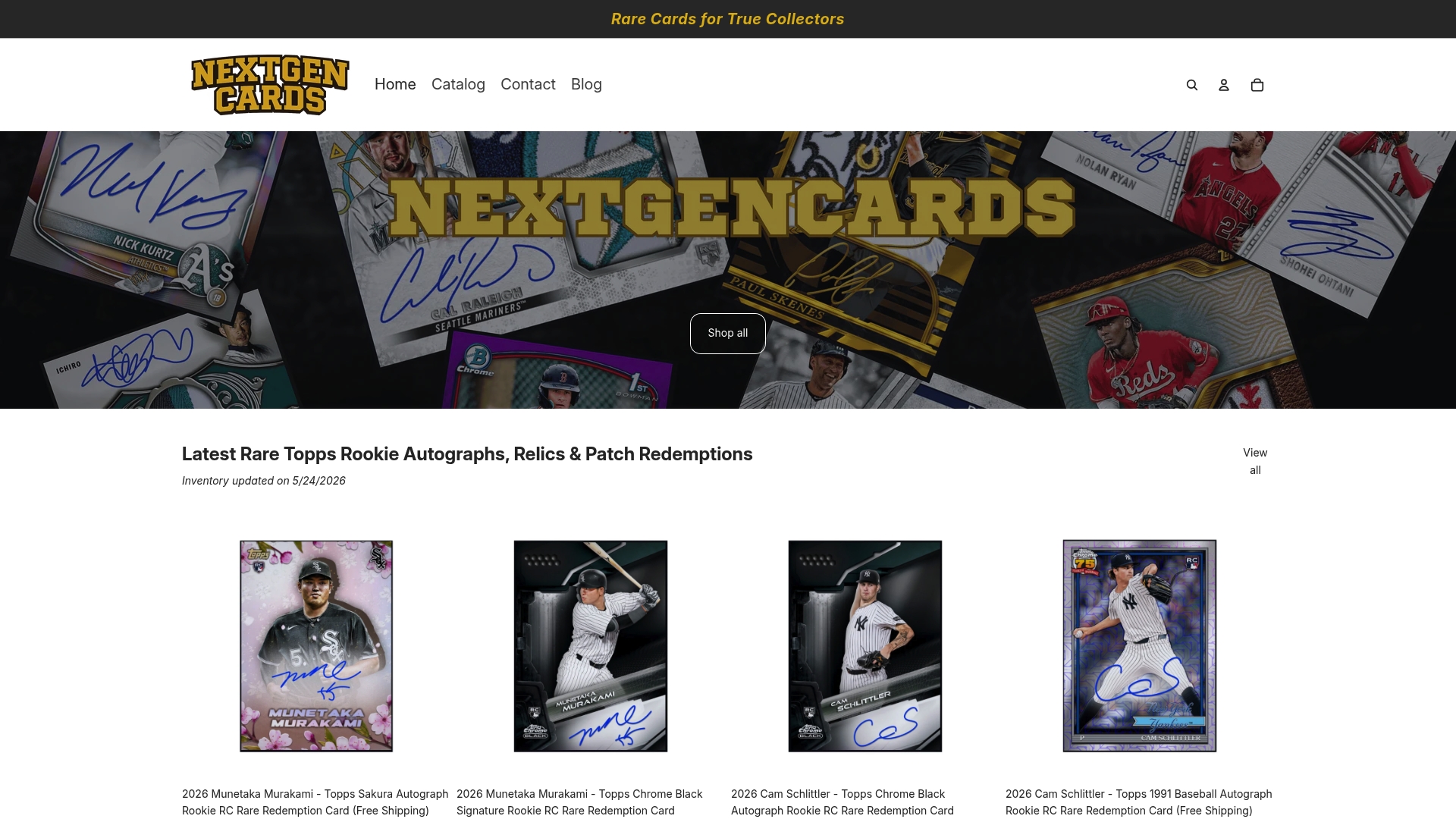
If you’re building toward a grading submission this quarter, start with the rookie autograph and relic redemption collection to see what’s currently available, including select items with free shipping. Collectors chasing a specific pull, like the Yoshinobu Yamamoto World Series MVP redemption card, can check current stock directly on the product page before it’s gone. Browse the catalog, pick what fits your collection, and prepare it carefully from the moment it arrives.
Sources
- Card Savers | Trading Card Sleeves — Cardboard Gold
- Get the New CGC Trading Cards Semi-Rigid Card Holders & Card Sleeves! | CGC
- Soft Sleeves & Semi-Rigids — Ultra PRO
FAQ
Are Semi-Rigid Card Holders Good for Protecting Cards?
Yes, for their intended purpose. Semi-rigid holders protect card surfaces well during handling and grading submission, but they’re not built for shipping impact or long-term storage the way a toploader or archival binder is.
What Is the Best Semi-Rigid Trading Card Holder?
There’s no single “best” holder for every card. For standard modern cards up to roughly 35pt, Ultra PRO’s semi-rigid line covers most needs; for thicker vintage or patch cards, a heavier semi-rigid or a toploader fits better. Nextgencards’ thickness guide helps match the right size to your specific card before you buy.
How Should I Store Cards in Semi-Rigid Holders?
Sleeve the card first in a clear penny sleeve, then insert the sleeved card into the semi-rigid so both sides remain visible. Store filled semi-rigids flat, away from heat and humidity, and avoid stacking heavy weight on top of them for extended periods.
Is a Semi-Rigid Card Holder the Same as a Toploader?
No. A semi-rigid is thin and flexible, designed so graders can flex the lip and extract a card quickly, while a toploader is rigid and better suited to shipping, display, and long-term protection. PSA’s submission guidance specifically calls for semi-rigids over toploaders for standard grading submissions.
0 comments