


The best way to wrap and present trading cards combines industry-standard physical protection with collector-focused presentation to create a gift or display that is both safe and memorable. The three-layer protection method, which uses a penny sleeve, rigid toploader, and sealed team bag, is the foundation of every professional packaging guide. Beyond protection, presentation techniques like acid-free tissue, magnetic display cases, and provenance notes elevate a card from a simple gift to a collector-worthy experience. Whether you are gifting a limited edition rookie autograph or displaying a scarce relic card, the method you choose signals respect for the card and the collector receiving it.
What materials do you need to wrap and present trading cards?
The right materials separate a card that arrives pristine from one that arrives bent, scratched, or moisture-damaged. Cards are almost always damaged by bending, scratching, or moisture rather than impact. That fact shapes every material choice below.
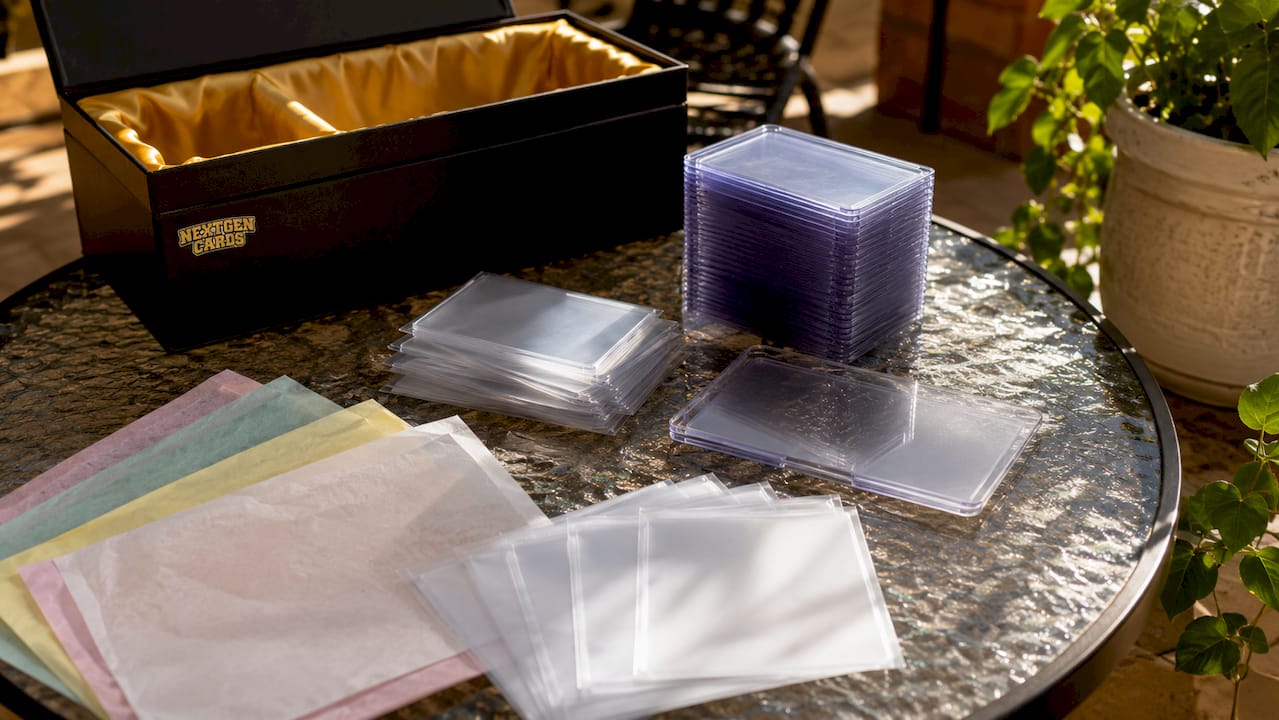
Protective supplies
Protective materials form the non-negotiable base layer of any packaging setup. Every collector should stock these:
- Penny sleeves: Thin polyethylene sleeves that slide over the card and protect the surface from scratches. Use these first, before any other layer.
- Perfect-fit sleeves: A tighter alternative to penny sleeves, ideal for graded or high-value cards where minimal movement inside the sleeve matters.
- Rigid toploaders: Hard plastic holders that prevent bending. Insert the sleeved card into a toploader immediately after sleeving.
- Semi-rigid card savers: Flexible but firm holders used by many grading services. These work well for mailing to graders without the bulk of a toploader.
- Sealed team bags: Resealable poly bags that go over the toploader to create a moisture barrier and keep the assembly together.
Decorative wrapping materials
Once the card is protected, presentation materials add the visual impact that makes a gift feel intentional. Acid-free tissue paper wraps around the toploader without introducing chemicals that degrade card surfaces over time. Decorative gift boxes with windows let the recipient see the card before opening. Artisan ribbons, velvet-lined pouches, and custom card rails add a premium feel without touching the card directly.
Choosing materials based on card value
Card value determines how much protection and presentation investment is appropriate. A common base card in a plain toploader inside a padded envelope is acceptable for low-value trades. A rookie autograph or limited edition relic card deserves a rigid box, acid-free tissue, a care note, and potentially a certificate of authenticity. Shipping method and packing rigor should always match the card’s value.
| Material | Protection level | Best use case |
|---|---|---|
| Penny sleeve | Surface scratch protection | All cards, first layer |
| Rigid toploader | Bend and impact protection | Gifting, shipping, display |
| Semi-rigid card saver | Moderate bend protection | Mailing to grading services |
| Sealed team bag | Moisture barrier | Shipping and long-term storage |
| Acid-free tissue | Chemical-free cushioning | Decorative gifting wrap |
| Magnetic one-touch case | Full enclosure with display | Premium gifts and display |
Pro Tip: Buy penny sleeves and toploaders in bulk. Having them on hand means you never skip the protection step when packaging a card quickly.
How do you wrap trading cards step by step for gifting?
A repeatable process protects the card and creates a consistent, impressive presentation every time. Follow these steps from protection to final wrapping.
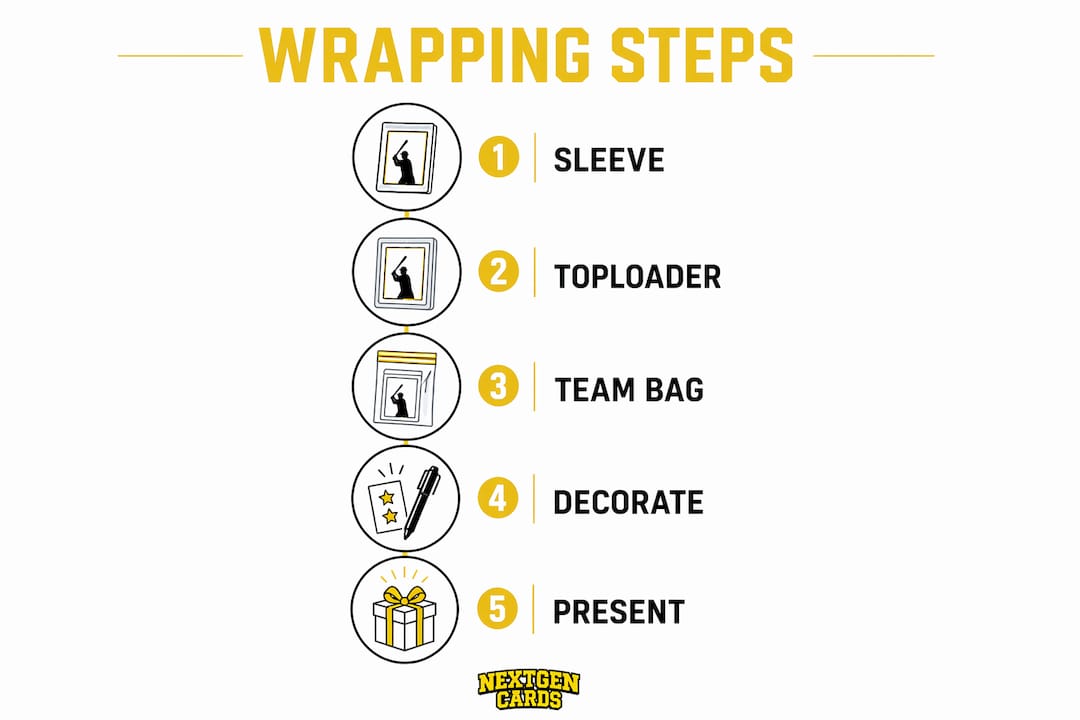
- Sleeve the card. Slide the card into a penny sleeve with the top edge facing up. Smooth out any air bubbles gently with your fingers.
- Insert into a toploader. Push the sleeved card into a rigid toploader. The sleeve prevents the card from sliding around inside the holder.
- Seal in a team bag. Place the toploader into a resealable team bag and press out excess air before sealing. This creates the moisture barrier.
- Wrap in acid-free tissue. Fold acid-free tissue paper around the sealed toploader. Use two or three layers for a premium feel. Secure with a small sticker or wax seal on the tissue, not on the toploader itself.
- Place in a presentation box. A windowed gift box or rigid card box holds the wrapped card securely. Add a velvet insert or foam padding to prevent movement inside the box.
- Include a care card or provenance note. Write or print a short note explaining how to store the card, its grading potential, and any relevant details about its rarity or the athlete featured. Including a care card shows respect for collector priorities and reduces the risk of mishandling after the gift is opened.
- Close and decorate the box. Tie an artisan ribbon around the box or add a custom label. Keep decorations on the box exterior only.
Pro Tip: Never tape directly on toploader cases. Tape traps the card inside and risks surface damage when removed. Always seal on the outer team bag or tissue layer.
The full process takes less than five minutes per card. That small investment of time protects a card that may be worth hundreds or thousands of dollars and creates an unboxing experience the recipient will remember.
What are the best creative trading card display ideas for collectors?
Presentation goes beyond protection when the goal is display or a premium gift. Packaging that combines protection and display, such as magnetic one-touch cases, eliminates the need for the recipient to rehouse the card. That makes the gift feel intentional rather than generic.
“An elegant, intentional unboxing experience matters greatly to serious collectors and sets gifts apart from generic novelty items. Collector expectations for premium items include provenance certificates, care instructions, and UV protection.”
Creative display and gifting options worth considering:
- Shadow boxes with UV-filtering acrylic: Mount a card in a toploader or magnetic case inside a shadow box. UV-filtering acrylic prevents fading from light exposure. This works especially well for autographed cards from athletes like Shohei Ohtani or Aaron Judge, where visual impact matters.
- Magnetic one-touch cases: These snap shut around the card and hold it securely without sleeves. Many versions include UV protection built into the acrylic. They double as display pieces and protective storage.
- Presentation risers and custom card rails: Acrylic risers elevate cards on a shelf or desk for a clean, gallery-style display. Card rails hold multiple cards upright in a row for rotating collections.
- Windowed gift boxes with velvet inserts: A rigid box with a clear window lets the recipient see the card before opening. Velvet inserts prevent the card from shifting during transport.
- QR provenance cards: Print a small card with a QR code linking to the card’s grading record, purchase history, or athlete profile. Tuck it into the gift box alongside the card.
- Themed mini gift baskets: For sealed packs or multi-card gifts, arrange cards in a small basket with team-colored tissue paper and a handwritten note. This approach works well for casual collectors or younger recipients.
- DIY presentation kits: Assemble a small kit with a spare penny sleeve, toploader, and care instructions. This teaches the recipient how to handle the card properly from day one.
For sealed packs, keep the original packaging intact and place it in a rigid box with tissue paper. Never open a sealed pack to rehouse individual cards for display purposes, as this destroys the pack’s collectible value.
How should you package and ship trading cards safely?
Safe shipping requires the same three-layer protection used in gifting, with additional steps based on card value. The industry-standard method is penny sleeve, rigid toploader, and sealed team bag, used in every professional shipping guide without exception.
For low-value cards, a padded envelope with a toploader and cardstock sandwich on each side of the card provides adequate protection. The cardstock sandwich prevents the envelope from bending the toploader during transit. For valuable cards, a rigid box is the correct choice. Place the protected card inside the box with bubble wrap or foam padding on all sides to prevent movement.
Photographing the card’s condition before sealing the package is best practice for any card valued above $300. Photos create a provenance record and support insurance claims if damage occurs in transit. Double-boxing, which means placing the inner card box inside a larger outer box with padding between them, adds a second layer of protection for high-value shipments.
| Shipping method | Best for | Protection level | Recommended extras |
|---|---|---|---|
| Padded envelope | Low-value cards | Moderate | Cardstock sandwich, toploader |
| Rigid box, single | Mid-value cards | High | Bubble wrap, team bag |
| Double-box | High-value cards ($300+) | Maximum | Insurance, tracking, photos |
| Flat-rate priority box | Multiple cards | High | Individual toploaders, foam |
Always use tracking on any card shipment. Shipping costs for single tracked cards range from $1 to $5, which is a small price relative to the value of most collectible cards. Label the outer package “Do Not Bend” and “Fragile” to reduce rough handling. Purchase insurance for any card valued above your personal loss threshold. For guidance on fast shipping best practices, Nextgencards covers the full process in detail.
Key Takeaways
The most effective way to wrap and present trading cards is to layer physical protection first, then add collector-focused presentation materials that match the card’s value and purpose.
| Point | Details |
|---|---|
| Use three-layer protection | Penny sleeve, toploader, and team bag protect against bending, scratching, and moisture. |
| Match materials to card value | Low-value cards need a toploader; high-value cards deserve a rigid box, insurance, and documentation. |
| Never tape on toploaders | Seal only on the outer team bag or tissue layer to avoid surface damage during removal. |
| Add a care and provenance note | A written note with storage instructions shows respect for the collector and reduces mishandling. |
| Use display cases for premium gifts | Magnetic one-touch cases with UV protection eliminate rehousing and double as display pieces. |
Why presentation is as important as protection
The collector community has a strong, shared understanding of what a well-packaged card looks like. When I see a card arrive in a plain toploader with no sleeve and a strip of tape across the top, I know immediately that the sender did not think carefully about the recipient’s experience or the card’s long-term condition. That first impression is hard to recover from.
What I have found over years of handling collectible cards is that the unboxing moment carries real weight for serious collectors. A rookie autograph from a prospect like Aaron Judge or Shohei Ohtani deserves more than a bubble mailer. Wrapping it in acid-free tissue, placing it in a windowed box, and including a short provenance note takes less than ten minutes. The result is a gift that feels considered and rare, which is exactly what a scarce card is.
The mistake most people make is treating presentation as optional. Protection is the floor, not the ceiling. A card that arrives undamaged but unwrapped in a plain plastic sleeve still feels like an afterthought. The care instructions and provenance notes included in a gifting package demonstrate respect for the collector. That detail separates a memorable gift from a forgettable one. If you want to learn more about assembling a complete gift package, the sports card gift sets guide at Nextgencards is a practical starting point.
— Richard
Nextgencards: premium cards worth presenting with care
Rare cards deserve presentation that matches their value. Nextgencards specializes in rookie autographs, relics, and limited edition cards from athletes like Shohei Ohtani and Aaron Judge, all authenticated and ready for gifting or display.
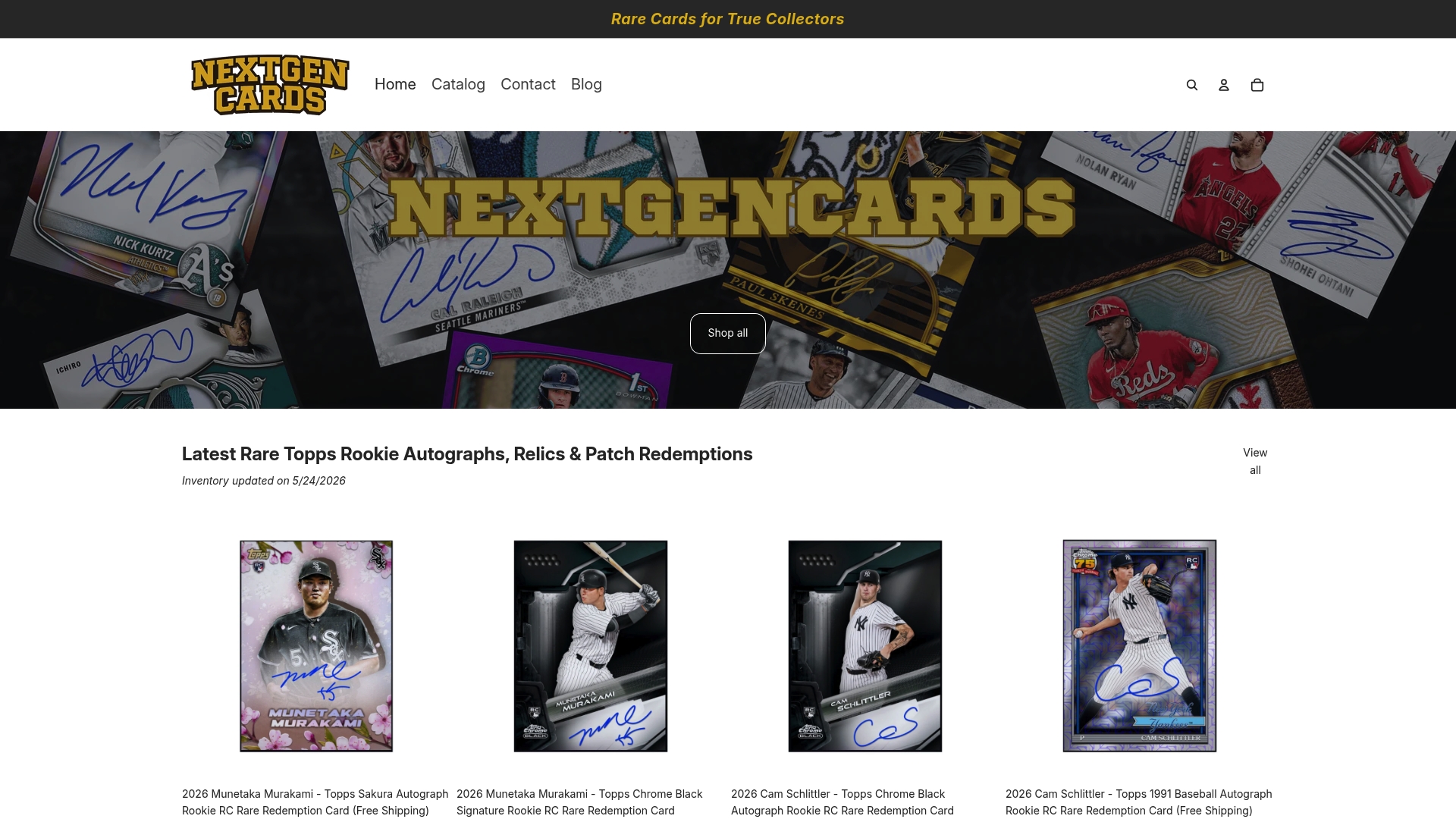
Every card in the Nextgencards catalog is a genuine collectible, not a generic novelty. Free shipping is available on select items, making it easier to gift a scarce card without added cost. Collectors looking for a trusted source for rare rookie autographs and relics will find a curated selection built for serious enthusiasts. Visit Nextgencards to find a card worth wrapping right.
FAQ
What is the three-layer protection method for trading cards?
The three-layer method is penny sleeve, rigid toploader, and sealed team bag. This combination protects against bending, scratching, and moisture, and is the standard used in every professional shipping guide.
Can I use tape to seal a toploader when gifting a card?
Never tape directly on a toploader. Tape traps the card inside and risks surface damage when removed. Seal on the outer team bag or tissue paper layer instead.
What is the best way to ship a high-value trading card?
Double-box cards valued above $300, photograph the card’s condition before sealing, and purchase insurance and tracking. Use a rigid inner box with bubble wrap padding and label the outer package “Do Not Bend.”
How do I make a trading card gift look impressive?
Place the protected card in a windowed gift box with a velvet insert, wrap in acid-free tissue, and include a provenance note or care card. A magnetic one-touch case eliminates rehousing and doubles as a display piece.
What display options work best for collector-grade cards?
Shadow boxes with UV-filtering acrylic, magnetic one-touch cases, and acrylic presentation risers all protect the card while keeping it visible. UV protection is especially important for autographed cards, where ink fading reduces both visual appeal and value.
0 comments