

MLB Chrome card technology is defined by the use of chromium-finished card stock, which gives each card a shiny metallic surface and significantly greater durability than traditional paper cards. Since debuting in 1996, Topps Chrome has held flagship status in the MLB card market for 30 years. The technology’s most iconic feature is the refractor parallel, a light-refracting coating that produces a rainbow shine visible when the card catches light at an angle. For collectors targeting rookie autographs, rare inserts, or high-grade specimens, understanding how Chrome technology works is the foundation of every smart buying decision.
How is MLB Chrome card technology produced?
Chrome cards start with a chromium-coated card stock, which is fundamentally different from the paper or cardboard base used in standard sets. The chromium layer bonds to the card surface during manufacturing, producing that signature metallic sheen and a harder, more scratch-resistant face. This is why Chrome cards feel noticeably stiffer and heavier than base paper cards from the same product year.
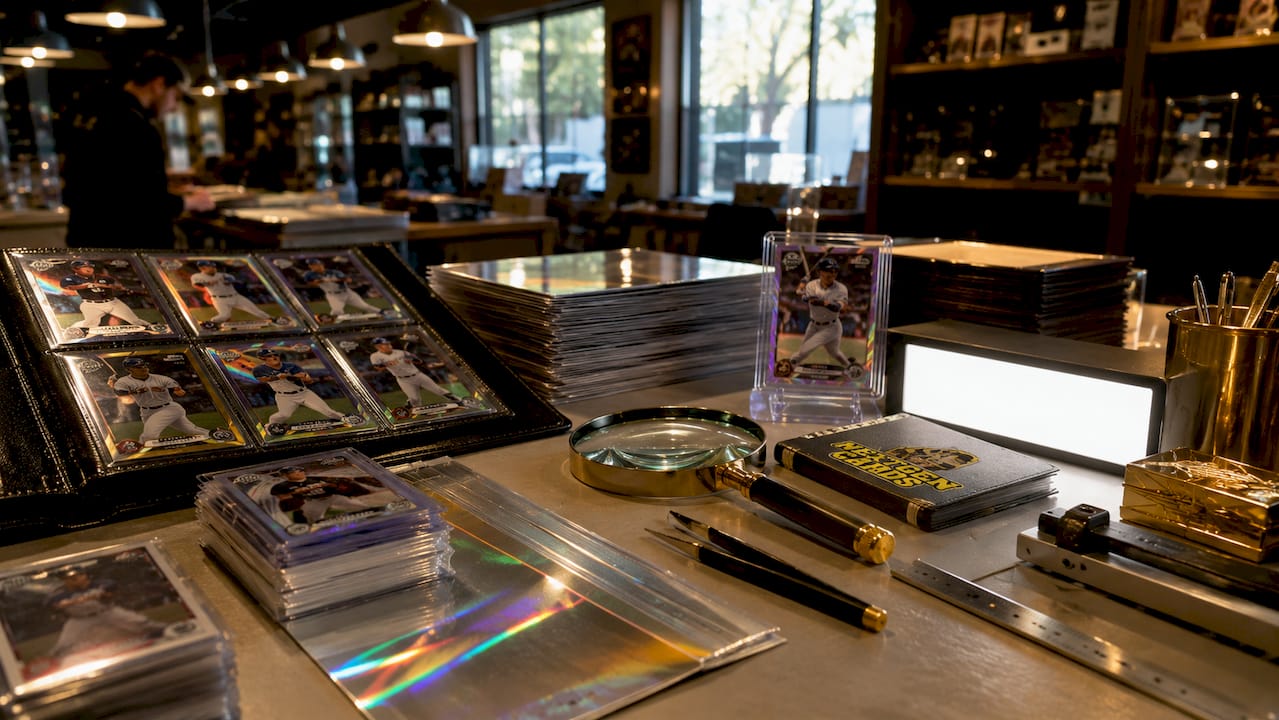
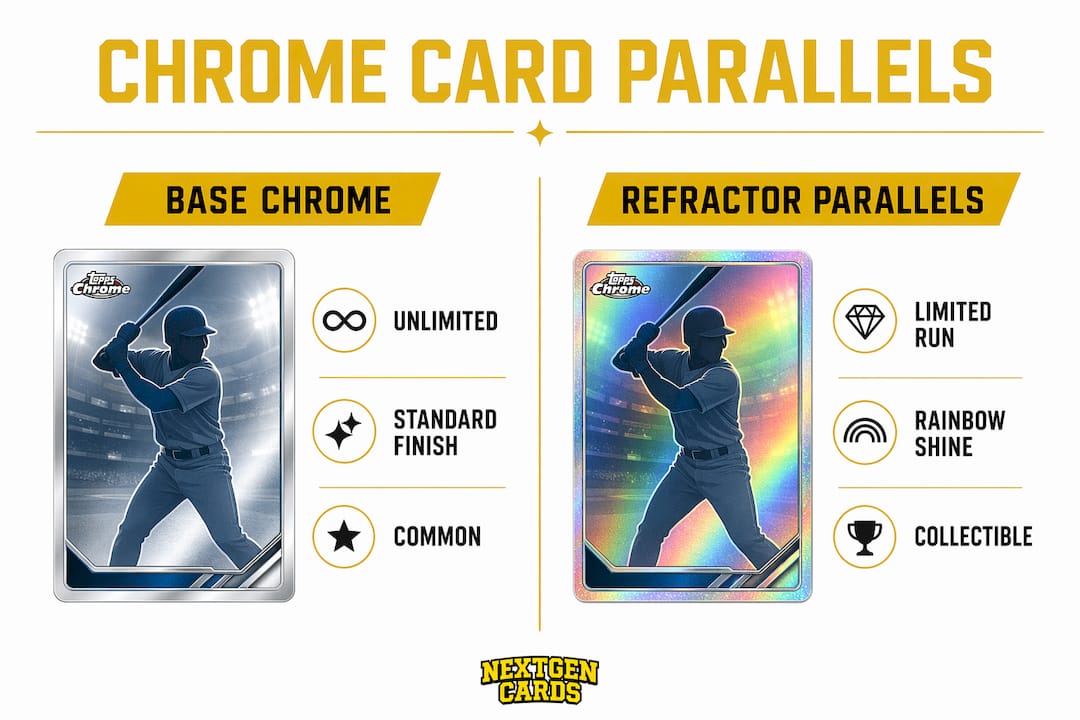
The refractor variant adds a second layer: a light-diffracting coating applied over the chromium surface. This coating bends light across the card face, creating the rainbow effect that collectors recognize immediately. Different refractor types use variations of this coating to produce specific visual results, from the subtle shimmer of a base refractor to the intense prismatic flash of an X-Fractor.
Premium sets like Chrome Black take the technology further with Chrome Layers construction. This process sandwiches matte black PETG and textured middle layers together to create physical depth and a 3D visual effect. The result is a card that looks and feels architecturally different from a standard Chrome base card.
- Chromium stock: Harder surface, metallic sheen, greater durability than paper
- Refractor coating: Light-diffracting layer producing rainbow shine
- Chrome Layers (premium): Multi-material PETG sandwich creating physical depth and 3D effects
- Thickness impact: Layered inserts are noticeably thicker than standard Chrome cards
Pro Tip: Handle Chrome Layers inserts by the edges only. The multi-material construction is more sensitive to fingerprint oils than standard Chrome stock, and surface contact can leave marks that are difficult to remove without risking the finish.
What are refractor parallels and why do they matter?
Refractors are the defining chase element of any Chrome product. A refractor is a Chrome card with a specialized light-refracting coating that produces a color-shifting rainbow effect. The base refractor is the most common version, but the parallel structure extends into dozens of named variants, each with its own print run and visual identity.
Collectors should know the main parallel tiers by name:
- Base Refractor: No serial number, the entry point of the refractor ladder
- X-Fractor: Grid-pattern coating producing a sharper, more angular light effect
- Sepia Refractor: Warm brown-toned coating, typically numbered to 75 or lower
- Wave Refractor: Curved line pattern across the surface, numbered and scarce
- Color Refractors (Gold, Red, Orange, etc.): Each color corresponds to a specific print run, with lower numbers commanding higher premiums
- Superfractor: The 1-of-1 gold refractor, the rarest parallel in any Chrome set
Serial numbering is the clearest signal of scarcity. A card numbered 25/25 is objectively rarer than one numbered 99/99. That scarcity directly affects resale value, and collectors who understand the parallel ladder can make more informed decisions when buying or trading.
Beyond standard parallels, premium inserts like Depth of Darkness use Chrome Layers technology to create visual depth through multi-material construction. These inserts occupy a separate tier from standard refractors because their physical construction is more complex.
The MVP Buyback program adds another layer of value to specific Chrome cards. Cards tied to current season MVP candidates become more desirable mid-season, with trade-in credit offers of $20 or more linked to in-season performance. This means a Chrome card’s market value can shift significantly based on what happens on the field, not just in the hobby market.
| Parallel Type | Typical Print Run | Key Feature |
|---|---|---|
| Base Refractor | Unlimited | Rainbow light effect |
| Gold Refractor | /50 | Numbered, strong demand |
| Red Refractor | /5 | Extremely scarce |
| Superfractor | 1/1 | Ultimate chase card |
| Depth of Darkness | Varies | Chrome Layers 3D construction |
Pro Tip: When evaluating refractor parallels for purchase, always confirm the serial number is clearly stamped on the card back. Unstamped cards claiming to be numbered parallels are a red flag.
What grading challenges are unique to Chrome cards?
Chrome cards grade differently than paper cards, and collectors who do not account for this lose money. The chromium surface amplifies every flaw. A centering issue that might grade as a PSA 8 on a paper card often grades lower on Chrome because the metallic surface makes the off-center borders more visually obvious.
PSA 10 grades are rare on Chrome cards and command significant premiums over lower grades. That premium exists because achieving a perfect grade on Chrome stock requires flawless centering, zero surface scratches, and sharp corners, all of which are harder to maintain given how the material behaves during production and handling.
The metallic coating creates a specific inspection problem. Surface imperfections like micro-scratches and edge fraying can be invisible to the naked eye on a shiny Chrome surface. Under magnification, those same flaws become clear grading deductions. Collectors who skip the magnification step before submitting cards for grading regularly receive lower grades than expected.
Factory-sealed products introduce another risk. Hit cards with thickness variations can develop slight bowing or compression marks from packaging pressure. These marks affect grading and are difficult to reverse once set into the card.
- Inspect centering under bright light before submitting for grading
- Use a loupe or magnifier to check edges and corners for micro-scratches
- Check for bowing immediately after pulling a hit from a sealed box
- Transfer thick inserts and autos to rigid toploaders right away to prevent compression damage
- Do not rely on surface shine as a proxy for condition. A card can look perfect and still grade a PSA 7
Pro Tip: Tilt the card slowly under a single light source at a 45-degree angle before grading submission. This angle reveals surface scratches and print lines that flat overhead lighting completely hides.
How does Chrome technology drive collector demand and market value?
Chrome’s primary appeal is visual. The light-catching eye appeal of a refractor elevates perceived card value beyond what condition alone can explain. Two cards with identical grades can trade at very different prices if one is a base Chrome and the other is a numbered color refractor. The visual difference is real, and the market prices it accordingly.
Collectors build chase strategies around the parallel ladder. A collector targeting a specific player will often pursue the complete refractor rainbow, acquiring every parallel from base refractor through Superfractor. This behavior creates sustained demand across the entire print run, not just the rarest cards.
Chrome rookies carry strong brand recognition as modern MLB rookie card standards alongside Bowman Chrome. Collectors targeting debut-year players prioritize Chrome rookies because the market treats them as definitive first-year cards. That recognition supports long-term value stability compared to rookie cards from less established sets.
The MVP Buyback program directly ties card demand to on-field performance. When a player emerges as an MVP candidate mid-season, their Chrome cards see immediate price increases. Standard hobby boxes guarantee one on-card autograph on average, which means hit-driven product design keeps collector interest high throughout the season.
One caution: surface shine can mislead collectors into overvaluing condition. A card that looks pristine under casual inspection may carry hidden flaws. Always verify condition independently of visual appeal before paying a premium.
What are the best practices for buying, handling, and storing Chrome cards?
Buying Chrome cards well starts with knowing what to look for before committing. Check centering first. The chromium surface makes off-center borders more visible than on paper cards, so even a slight tilt reads as a significant flaw. Learn to identify authentic refractor parallels by their serial number stamps and the specific visual characteristics of each parallel type.
- Buying: Verify serial numbers on numbered parallels; request high-resolution scans of all four corners before purchasing online
- Handling: Hold cards by the edges; avoid touching the face; use cotton gloves for high-value specimens
- Sleeves: Use penny sleeves first, then a semi-rigid card saver or toploader; for Chrome Layers inserts, use thicker toploaders rated for cards above standard thickness
- Storage: Keep Chrome cards away from humidity and temperature swings; both warp standard Chrome stock and can cause delamination in layered inserts
- Grading submissions: Pre-inspect every card under magnification; submit only cards with clean surfaces and sharp corners to avoid wasted grading fees
Pro Tip: Store Chrome Layers inserts in a climate-controlled space. Humidity above 60% accelerates delamination in multi-material cards, and that damage is permanent and unrecoverable for grading purposes.
Key Takeaways
MLB Chrome card technology produces lasting collector value through chromium stock, refractor parallels, and advanced layering, but condition management and grading knowledge determine whether that value is realized.
| Point | Details |
|---|---|
| Chrome stock is distinct | Chromium-finished cards are harder, shinier, and more durable than paper cards. |
| Refractor parallels drive value | Serial-numbered parallels from base refractor to Superfractor 1/1 define the chase hierarchy. |
| Grading is harder on Chrome | PSA 10 grades are rare; micro-scratches invisible to the naked eye cause grade deductions. |
| Chrome Layers need special care | Layered inserts like Depth of Darkness require thicker toploaders and climate-controlled storage. |
| Market value ties to performance | The MVP Buyback program links Chrome card demand directly to current season MLB results. |
Chrome technology changed how I collect, and not always in the ways I expected
I started collecting Chrome cards because of the look. Every collector does. That rainbow refractor shine is genuinely hard to ignore, and the first time you pull a numbered parallel from a fresh box, it feels like the hobby is working exactly as advertised.
What took me longer to learn is that Chrome technology creates as many traps as it does opportunities. The same metallic surface that makes a Superfractor look incredible under light also hides the micro-scratches that will cost you two grading points. I have submitted cards that looked flawless to my eye and received PSA 8s. Every single time, magnification after the fact revealed exactly what the grader saw.
The Chrome Layers construction in premium sets genuinely impressed me when I first handled a Depth of Darkness insert. The physical depth is real, not a printing trick. But those cards demand storage discipline that most collectors underestimate. I lost a layered insert to delamination because I stored it in a standard toploader in a humid basement for one summer. That card was not recoverable.
My honest advice: treat Chrome technology as a reason to be more careful, not less. The visual appeal is real. The value potential is real. But the condition risks are also real, and they are specific to this material. Collectors who understand the technology make better decisions at every stage, from pulling a hit to submitting for grading to selling at the right moment.
— Richard
Nextgencards carries the Chrome rookies and relics serious collectors want
Collectors who understand Chrome technology know that the right card at the right grade is worth pursuing. Nextgencards curates a selection of rare rookie autographs and relic cards built for collectors who do not settle for common pulls.
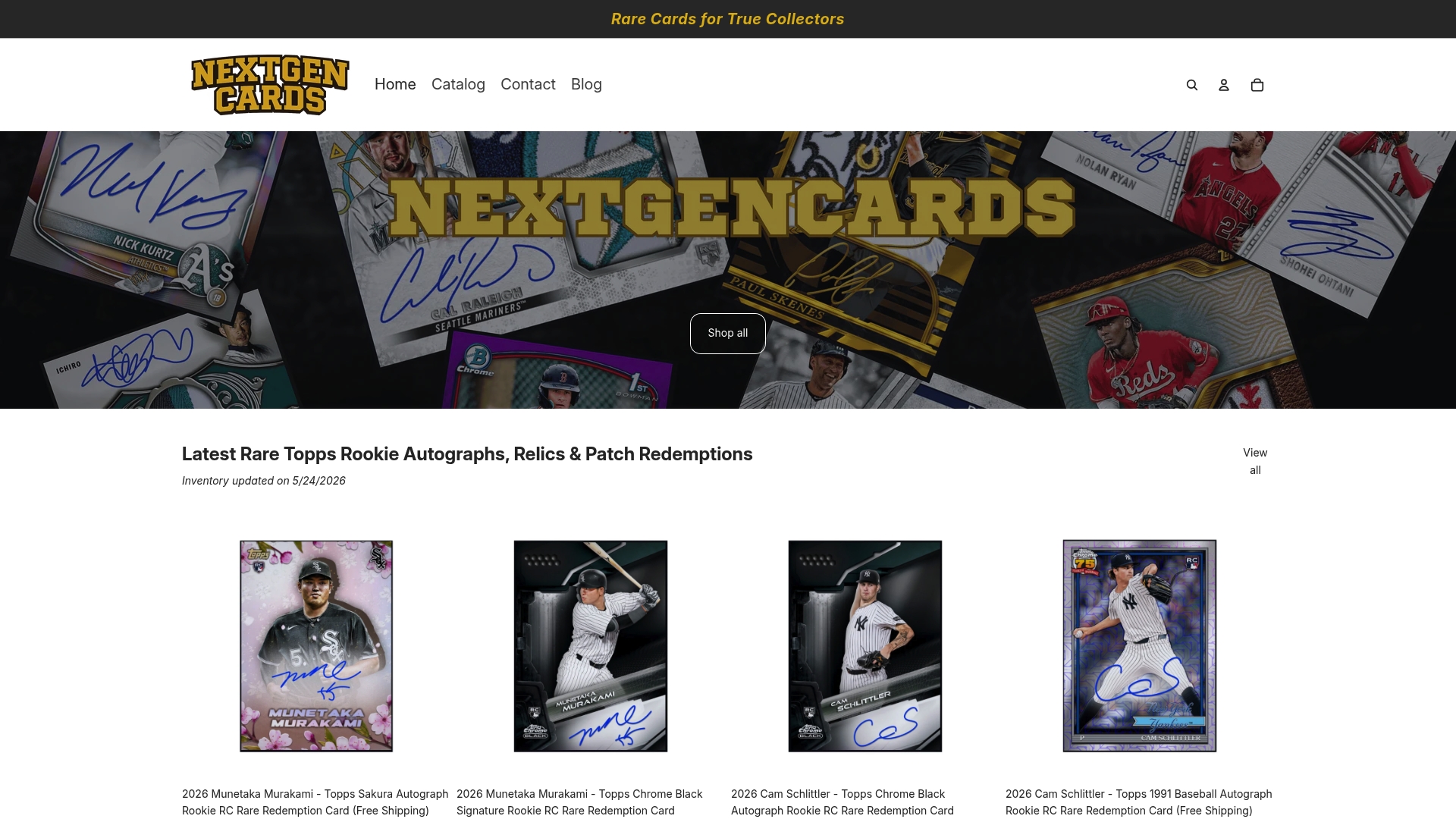
The inventory at Nextgencards includes authenticated rookie autographs from players like Shohei Ohtani and Aaron Judge, alongside scarce redemption cards and limited edition relics. Free shipping is available on select items, and every card is sourced for authenticity. If you are building a Chrome-focused collection around high-value rookies, the rookie autographs and relics collection is the right place to start. For collectors tracking the newest prospects, the 2026 Cooper Flagg Topps VIP Autograph is one of the most sought-after rare redemption cards currently available.
FAQ
What is MLB Chrome card technology?
MLB Chrome card technology refers to the use of chromium-finished card stock, which gives cards a metallic sheen and greater durability than standard paper cards. Refractor parallels, introduced alongside the base Chrome format, add a light-diffracting coating that produces a rainbow effect.
What makes a refractor different from a base Chrome card?
A refractor has an additional light-diffracting coating applied over the chromium surface, producing a color-shifting rainbow shine when the card catches light. Base Chrome cards have the metallic finish but lack this refracting layer.
Why are Chrome cards harder to grade than paper cards?
The chromium surface amplifies centering flaws and makes micro-scratches more visible to graders, making PSA 10 grades rare and commanding significant price premiums over lower grades.
What are Chrome Layers inserts?
Chrome Layers inserts use a multi-material PETG sandwich construction to create physical depth and 3D visual effects. Cards like the Depth of Darkness insert in Chrome Black sets are thicker than standard Chrome cards and require wider toploaders for safe storage.
How should collectors store MLB Chrome cards?
Standard Chrome cards store well in penny sleeves inside rigid toploaders, away from humidity and heat. Layered Chrome inserts require thicker toploaders and climate-controlled conditions to prevent delamination.
0 comments