

Topps Finest is defined as the original chrome baseball trading card line, first released in 1993, and the product that introduced the Refractor parallel to the hobby. The MLB Finest card explained in full means understanding a product built on chromium technology, tiered rarity, and deep autograph checklists. The 2026 set continues that tradition with 350 base cards, a new Super Rare tier, and guaranteed autographs per hobby box. Whether you collect for the thrill of the chase or the long-term investment angle, Finest remains one of the most recognized names in the Topps lineup.
What are the features and rarity tiers of the 2026 MLB Finest cards?
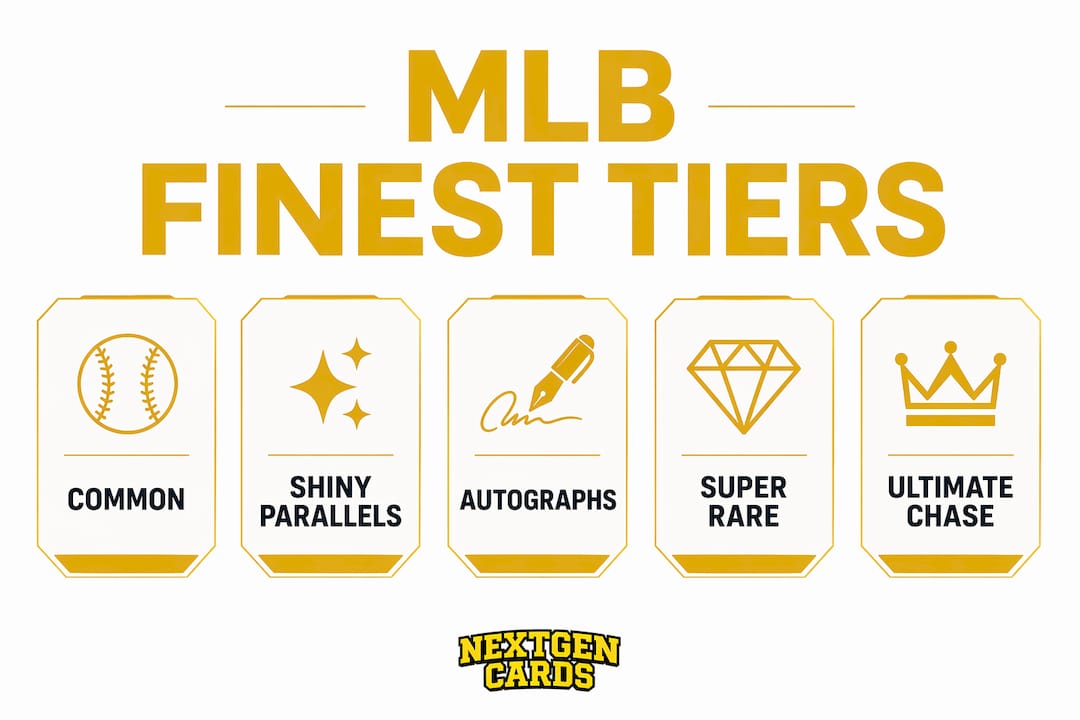
The 2026 Topps Finest Baseball set includes a 350-card base set divided into four rarity tiers. Each tier is defined by card number range and visual design, not just print run. That structure matters because it changes how you approach set building and box breaks.
The four tiers break down as follows:
- Common (cards 1–100): Standard chrome finish, the most accessible tier and the easiest to pull from any box format.
- Uncommon (101–200): Slightly elevated scarcity with design variations that distinguish them from base Commons.
- Rare (201–300): Harder pulls with distinct visual treatments; these cards anchor most collector checklists.
- Super Rare (301–350): Hobby-exclusive cards numbered to 10 or fewer, featuring dual player images and distinct design elements that set them apart immediately.
The Super Rare tier is the most significant structural addition to the 2026 set. Cards numbered to 10 or fewer are statistically difficult to pull from any single box, which drives secondary market demand sharply upward.
Box format options give collectors flexibility in how they enter the product:
| Box Format | Pack Count | Key Feature |
|---|---|---|
| Hobby | 6 packs of 10 cards | 2 autographs guaranteed per box |
| Mega | Retail configuration | Priced around $69.99; exclusive parallels |
| Breaker Delight | Group break focused | Configured for organized box breaks |
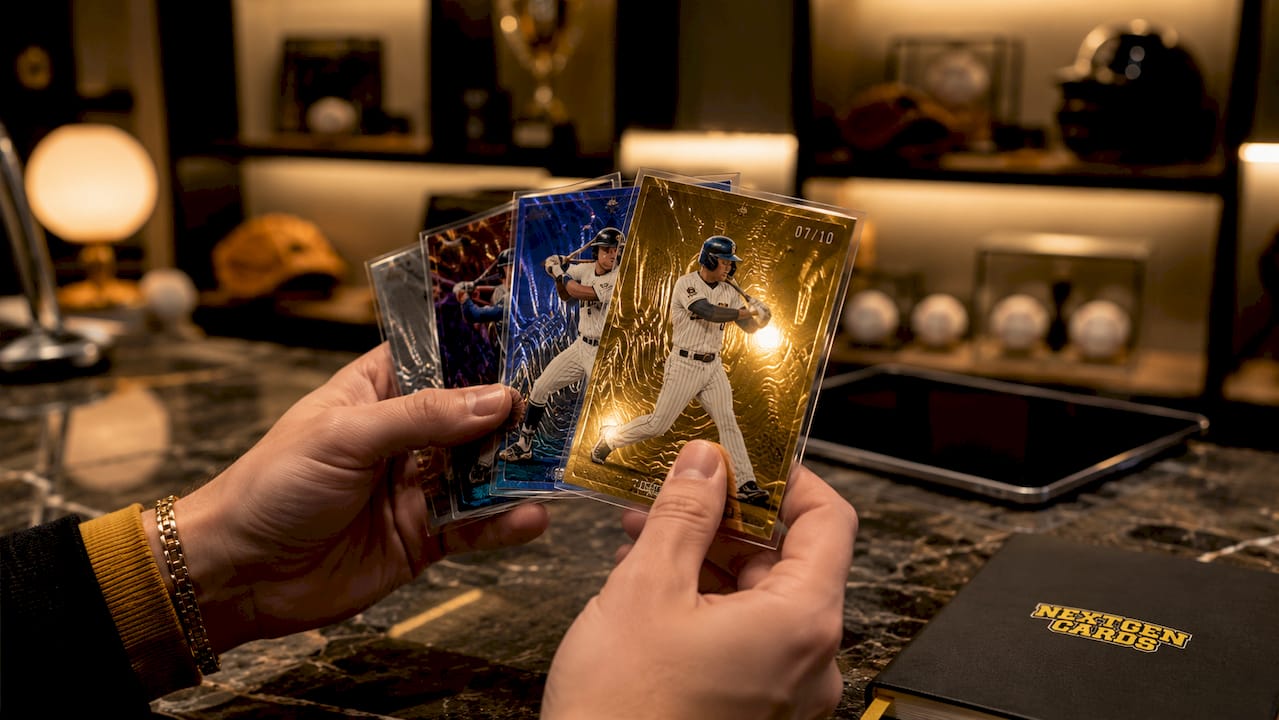
The Mega Box at $69.99 offers an accessible entry point for collectors who want Finest without the full hobby box investment. Mega boxes also carry exclusive parallel color variations, including the Mini-Diamond pattern, which does not appear in hobby configurations. The 2026 set also introduces new insert sets like Nightmare Fuel and Aura, expanding the chase variety well beyond the base card tiers.
Pro Tip: If you are new to Finest, start with a Mega Box to learn the parallel hierarchy before committing to hobby box pricing. The Mini-Diamond exclusive makes it worth the entry cost on its own.
How does the history and legacy of MLB Finest shape its value?
Topps Finest pioneered modern chrome trading cards and introduced the Refractor parallel in 1993. That single innovation changed the entire hobby. Before Finest, premium cards relied on foil or special printing. Finest made the chromium finish and light-refracting technology the new standard for collectible baseball cards.
The most iconic card from that inaugural year is the Ken Griffey Jr. 1993 Refractor. That card recently sold for $6,100, a figure that reflects both its historical significance and its scarcity. Vintage Finest cards from 1993 through 1997 are treated as blue-chip investments in the hobby. They appreciate steadily because the print runs were modest and the condition challenges were severe.
Modern Finest cards operate on a different market cycle. Vintage cards offer long-term appreciation while modern releases are more cyclical, driven by player performance and rookie class strength. A 2026 Finest rookie autograph for a top prospect can spike in value during a strong debut season, then correct if performance dips. That volatility is a feature for traders and a risk for long-term holders.
Key differences between vintage and modern Finest value:
- Vintage 1993–1997 cards carry historical scarcity and stable collector demand.
- Modern Finest value is anchored by rookie autographs as key value drivers.
- Condition is more critical for vintage cards because grading standards were not widely applied at the time of release.
- Modern cards benefit from professional grading at the point of purchase, which locks in condition and protects resale value.
“Understanding the refractor parallels hierarchy is crucial for new collectors to avoid confusion and make informed purchases.” — Hobby Education, Sports Illustrated Collectibles
That insight holds true across every Finest release. The parallel structure is not decorative. It is the pricing architecture of the entire product.
What should collectors know about autographs and chase cards in MLB Finest?
Autographs are the primary reason most collectors buy Finest hobby boxes. The 2026 autograph checklist sometimes exceeds 150 players, covering rookies, veterans, and retired legends. That depth creates a statistically difficult environment for pulling any specific player from a single box. Two autographs are guaranteed per hobby box, but the odds of landing your target player are long.
The autograph parallel structure adds another layer of complexity. Each signed card can appear in multiple color variations, each with its own print run. Here is how collectors typically prioritize the autograph chase:
- Base autographs: The most common signed cards in the set, available across hobby and some retail configurations.
- Colored Refractor autographs: Print runs vary by color; gold, orange, and red refractors carry progressively shorter print runs.
- Super Rare autographs (numbered to 10 or fewer): The hardest pulls in the entire set, hobby-exclusive with distinct design features like dual player images.
- 1/1 autographs: Superfractors and printing plates; the single rarest card in any given player’s autograph run.
The depth of the autograph checklist is both a strength and a challenge. A checklist exceeding 150 players means there is a signed card for nearly every significant prospect and star in the game. It also means that pulling a specific rookie autograph from a hobby box requires patience and, often, secondary market purchases.
Pro Tip: Set a target checklist of five to ten specific players before buying boxes. Chasing the entire autograph set from hobby boxes alone is not a realistic budget strategy given the checklist depth.
Collectors who focus on specific rookies or veterans get more value from their spending. Buying targeted singles on platforms like eBay or through dealers like Nextgencards often costs less than cracking boxes in search of one specific card.
How do grading and collecting strategy affect MLB Finest card investment?
Chrome cards are the most grading-sensitive cards in the hobby. The chromium finish on Finest cards makes centering issues and edge wear major grading hurdles. A card that looks clean to the naked eye can grade poorly under PSA, BGS, or SGC standards because the reflective surface amplifies every flaw. That reality shapes how serious collectors approach the product.
Grading agencies each bring a different standard to Finest cards:
- PSA (Professional Sports Authenticator): The most recognized grading service for resale value; a PSA 10 on a key Finest rookie autograph commands a significant premium.
- BGS (Beckett Grading Services): Uses subgrades for centering, corners, edges, and surface; the most detailed grading breakdown available for chrome cards.
- SGC: Growing in collector preference for vintage cards; faster turnaround times make it attractive for modern releases as well.
Collectors prefer PSA, BGS, or SGC certified cards because certification removes condition uncertainty from the transaction. An ungraded Finest card, no matter how clean it appears, carries a discount on the secondary market. Graded cards trade at a premium because the condition is locked and verified.
AI-assisted pre-grading tools are increasingly used to screen Finest cards before submission. These tools help collectors identify which cards are likely to achieve a PSA 10 or BGS 9.5 before paying grading fees. That screening step is especially valuable for Finest because the chromium finish makes condition assessment difficult without magnification.
The number of rookie cards and autograph parallels in Finest requires collectors to set clear target checklists and realistic budget expectations. Collectors who approach Finest as a chase product rather than a traditional set-building exercise get better results. The tiered rarity system makes completing a full Finest set significantly harder than completing flagship Topps, a fact that surprises many collectors new to the brand.
Pro Tip: Screen cards with a loupe or a pre-grading app before submitting to PSA or BGS. Centering is the most common reason Finest cards miss a PSA 10, and it is visible before you pay submission fees.
Key Takeaways
MLB Finest cards deliver the most value to collectors who understand the rarity tier structure, prioritize graded cards, and target specific autographs rather than chasing the full checklist from hobby boxes alone.
| Point | Details |
|---|---|
| Refractor origin | Topps Finest introduced the Refractor parallel in 1993, setting the standard for premium chrome cards. |
| 2026 rarity tiers | The set has four tiers: Common, Uncommon, Rare, and Super Rare (numbered to 10 or fewer). |
| Autograph depth | The autograph checklist exceeds 150 players, making targeted buying smarter than box-breaking alone. |
| Grading is critical | Chrome finish amplifies flaws; PSA, BGS, and SGC certification protects resale value significantly. |
| Vintage vs. modern value | Vintage 1993–1997 Finest cards appreciate steadily; modern cards are cyclical and rookie-driven. |
My take on collecting MLB Finest in 2026
The biggest mistake I see collectors make with Finest is treating it like a flagship Topps product. It is not. The tiered rarity system, the deep autograph checklist, and the grading sensitivity make Finest a product that rewards preparation and punishes impulse buying. Collectors who walk in without a target list often walk out disappointed, even after pulling two autographs from a hobby box.
The vintage angle is underappreciated by newer collectors. A 1993 or 1994 Finest card in high grade is a genuinely scarce object. The print runs were not disclosed at the time, and many of those cards were damaged by the protective film that Topps included to preserve the chrome finish. Removing that film incorrectly scratched thousands of cards. The ones that survived in pristine condition are legitimately rare, not just marketed as rare.
For modern Finest, I think the best approach is to blend box breaks with targeted single purchases. Pull your base cards and commons from boxes. Buy your specific rookie autographs and Super Rare targets directly from verified dealers. That combination gives you the experience of opening packs without the financial exposure of chasing a 150-player autograph checklist through hobby boxes alone. You can find rare rookie card variations worth targeting before you spend a dollar on boxes.
Condition discipline is non-negotiable with Finest. If you are buying raw cards on the secondary market, inspect centering before you commit. A miscentered Finest card is not a PSA 10 candidate, and the difference in resale value between a PSA 9 and a PSA 10 on a key rookie autograph can be several hundred dollars. That gap is worth the extra scrutiny before purchase.
— Richard
Rare MLB Finest cards available at Nextgencards
Nextgencards carries a curated selection of rare Topps rookie autographs and relics, including cards from the Finest line that are difficult to source elsewhere.
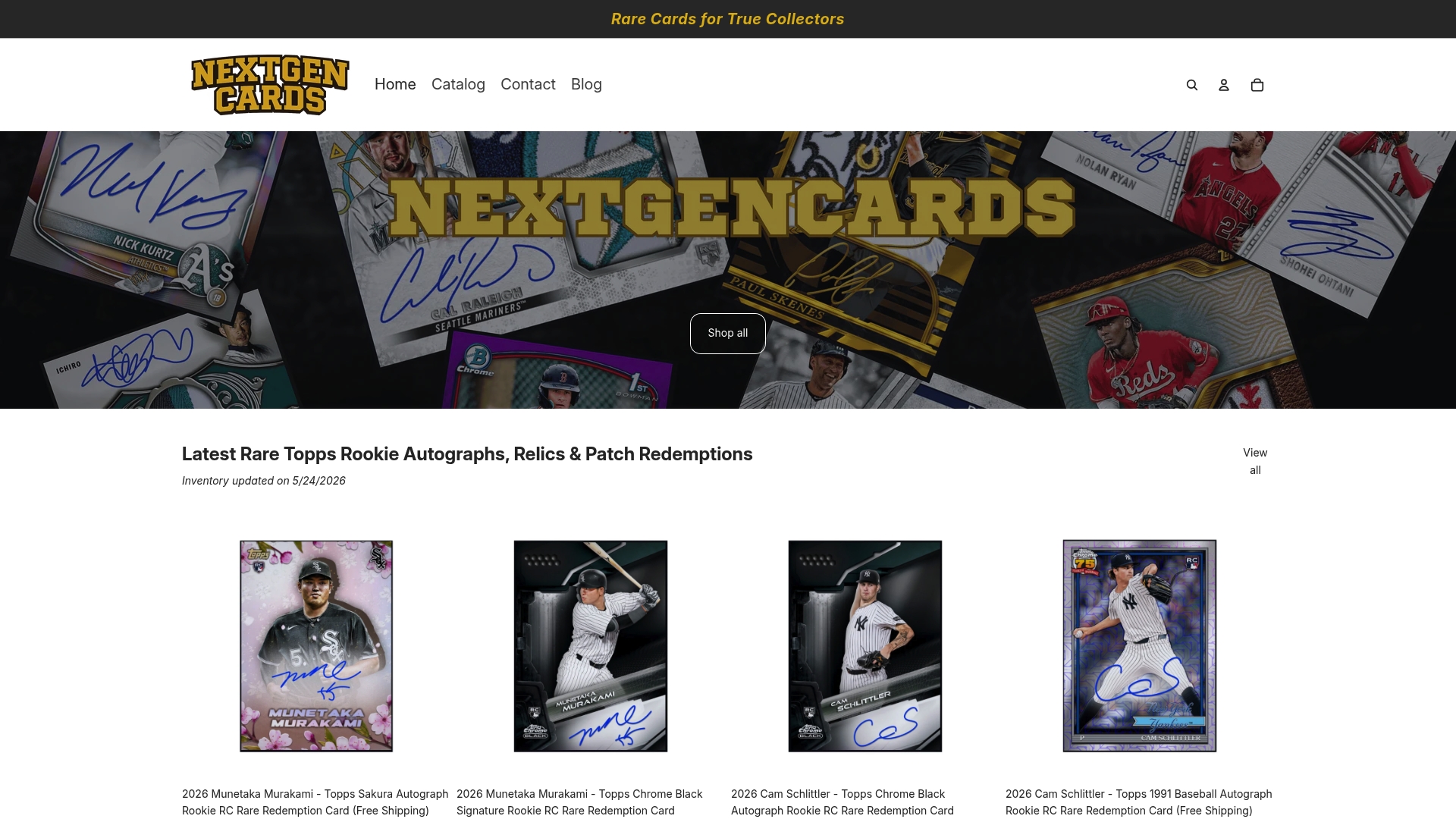
Collectors looking for authenticated 2026 rookie autographs, colored Refractor parallels, or hard-to-find Finest inserts can browse the full inventory of rare Topps rookie autographs at Nextgencards. The catalog includes verified authentic cards with free shipping on select items, making it a practical option for collectors who want to target specific cards without the risk of blind box purchases. For collectors building a broader rookie card collection, Nextgencards also stocks flagship Topps rookies and relics from the current season’s top prospects.
FAQ
What is an MLB Finest card?
An MLB Finest card is a premium baseball trading card produced by Topps, defined by its chromium finish and Refractor parallel technology first introduced in 1993. The brand is known for tiered rarity, autograph inclusions, and chrome-based design.
How many autographs come in a 2026 Topps Finest hobby box?
Each 2026 Topps Finest hobby box guarantees two autographs across six packs of ten cards. The autograph checklist exceeds 150 players, so pulling a specific target requires either luck or secondary market purchases.
What makes the Super Rare tier different from other Finest cards?
Super Rare cards are numbered to 10 or fewer, hobby-exclusive, and feature distinct design elements like dual player images. They are the hardest pulls in the 2026 set and command the highest secondary market prices.
Why do Finest cards need professional grading?
The chromium finish on Finest cards amplifies centering flaws and surface wear, making condition assessment difficult without professional review. PSA, BGS, and SGC certified cards trade at a premium because the condition is verified and locked.
Are vintage Finest cards a better investment than modern ones?
Vintage Finest cards from 1993 through 1997 offer steadier long-term appreciation because of genuine scarcity and historical significance. Modern Finest cards are more cyclical, with value tied closely to individual player performance and rookie class strength.
0 comments