

For most collectors, the best first-year sports cards to chase are authenticated rookie autographs, especially high-quality on-card autos and rookie-debut-patch autograph (RDPA) pieces. These cards combine scarcity, player narrative, and grading upside in a way base rookies rarely match. A curated batch of exactly these cards is available right now, and the checklist below will help you separate the ones worth buying from the ones worth skipping.
TL;DR:
- Low-population parallels like Super Futures Signatures and Reverence patches tend to appreciate more due to their scarcity and limited print runs.
- On-card autographs are generally more valued and preferred over sticker autographs, especially when verifying authenticity via redemption codes or certificates.
- Carefully review graded population reports, recent auction results, and seller provenance before purchasing a first-year autograph to avoid overpaying or buying fake signatures.
- Redemption cards require clear proof of redemption status, tracking, and shipping details, with insured delivery strongly recommended for high-value pieces.
- Building a balanced collection involves mixing vintage undervalued rookies with modern prospects, focusing on due diligence and buying what you would want to own regardless of resale potential.
Table of Contents
- Which First-Year Autographed Sports Cards Should You Actually Buy?
- How Do You Evaluate a First-Year Autograph Before Buying?
- What Are the Different Rookie Autograph Formats?
- What Signals Predict Rising Value in a First-Year Autograph?
- How Does Nextgencards Curate and Authenticate First-Year Autographs?
- An Editor’s Take on Building a Rookie Autograph Collection
- Where to Find Curated First-Year Autographs Right Now
- Sources
- FAQ
Which First-Year Autographed Sports Cards Should You Actually Buy?
Rookie autograph inventory moves fast, and the strongest first-year signed cards tend to disappear into vaults within weeks of release. The examples below represent the kind of curated redemption inventory stocked by specialist sellers, and each one illustrates a different reason collectors chase first-year signatures.
Junior Caminero’s three-card Bowman/Topps run shows how one breakout rookie can anchor several distinct collecting strategies at once. The 2024 Junior Caminero Topps Bowman Chrome Green Signature Rookie RC redemption targets the parallel chaser: Green Signature editions carry a distinct print run and color separation that collectors track closely against the base Chrome refractor. The Topps Chrome Black Signature version sits a tier above it in scarcity, and the Topps Black Super Futures Signature parallel is the set builder’s grail: Super Futures inserts are typically short printed and numbered, which is exactly the kind of low-population signal that tends to separate a card from the rest of a rookie’s autograph checklist. Buyers should check the redemption code status and confirm the serial number matches the seller’s listing photos before paying a premium.
Jalen Brunson’s trio of Topps Champions and Reverence cards demonstrates how patch content changes a card’s ceiling even when the player and season are identical. The 2026 Jalen Brunson Topps Champions Autograph redemption is the straightforward signature play, appealing to buyers who want Brunson’s on-card signature without paying a patch premium. The Topps Champions Jersey Patch redemption adds game-relevant material but drops the autograph, making it a fit for relic-focused collectors rather than autograph purists. The Topps Reverence Jersey Patch Autograph redemption combines both elements, and that combination is precisely what tends to push a card toward RDA-adjacent pricing, since patch plus signature plus low print run is the formula that has driven some of the hobby’s biggest recent sales.
Beyond the Caminero and Brunson runs, a few other redemption cards illustrate different corners of the first-year autograph market worth knowing:
- The 2023 Mason Miller Topps Chrome Platinum Anniversary Autograph Rookie RC redemption pairs a breakout pitcher with an anniversary parallel, a format that tends to draw set collectors chasing a specific design year rather than pure investment buyers.
- The 2025 Yoshinobu Yamamoto Topps Now World Series Hero redemption captures a specific postseason moment, which is the appeal of Topps Now product: the card documents a real, dated performance rather than a generic season recap.
- Paul Skenes and Aaron Judge both appear in Topps Independence Day jersey patch redemptions, a seasonal parallel that carries built-in scarcity tied to a single release window each year.
Each of these fits a slightly different buyer. Investors leaning toward long-term hold tend to favor the low-population parallels like Super Futures Signature or Reverence patches, where scarcity is baked into the print run. Set builders often prioritize completing a specific rookie’s autograph checklist across brands, which is why the Caminero three-card run appeals to that mindset. Hobbyists buying for enjoyment rather than resale usually gravitate toward the more accessible single-signature redemptions, like the base Champions Autograph, where price of entry is lower but authenticity and player upside remain intact.
Pro Tip: Before buying any redemption card, search the exact card name plus “redemption deadline” to confirm the code hasn’t expired. Expired or unredeemed codes can strand a buyer with a paper promise instead of a physical card.
Whatever the entry point, look for listings that show the redemption certificate or code clearly, state whether shipping is included, and specify whether the card ships raw or pre-submitted for grading. Free shipping offers on rare redemption cards are common promotional perks, but they should never substitute for clear photos of the actual redemption paperwork.
How Do You Evaluate a First-Year Autograph Before Buying?
Evaluating a signed rookie card is less about gut feeling and more about running through the same six checkpoints every time. Skipping even one of them is how collectors end up overpaying for a card that looks impressive in a listing photo but falls apart under scrutiny.
The six axes that matter most, roughly in order of importance:
- Player trajectory and narrative. A rookie autograph is only as valuable as the story attached to it, whether that’s an award race, a historic debut, or a breakout season that changes public perception overnight.
- Scarcity and print run. Numbered parallels, short-printed inserts, and low-population releases carry a structural advantage over unlimited base autographs.
- Graded population. A card’s PSA or BGS population report tells you how many examples currently exist at each grade tier, which is the closest thing the hobby has to a scarcity audit.
- On-card versus sticker authentication. On-card signatures are applied directly to the card surface and are generally preferred over sticker autographs, which are signed on a separate label and then affixed.
- Condition and centering. Corners, edges, surface, and centering all factor into grade potential, and a card that grades a half point lower can sell for meaningfully less.
- Seller provenance and return policy. A seller who documents chain of custody and offers a clear return window is worth more to you than one offering a marginally lower price with no such record.
Run through this sequence on any listing before committing:
- Confirm the player, year, set, and parallel name match exactly what’s advertised, including any subset name like Super Futures or Independence Day.
- Check whether the signature is on-card or sticker, and note that on-card typically holds value better over time.
- Look up the graded population if the card has already been slabbed, or ask the seller whether it’s expected to grade well raw.
- Ask for proof of redemption status if it’s a redemption card, including the code or certificate image.
- Compare the asking price against recent completed sales for the same card and parallel, not just active listings.
- Review the seller’s return policy and any authentication guarantee before paying.
Red flags worth walking away from include missing provenance documentation, blurry or cropped seller photos that hide the signature or edges, a signature placement that looks inconsistent with the player’s known autograph style, serial numbers on the card that don’t match the listing description, and grading claims attributed to an unfamiliar or unaccredited grading company.
Pro Tip: If a seller won’t send a clear, unedited photo of the card’s back and the redemption code together, that alone is reason enough to pass.
What Are the Different Rookie Autograph Formats?
Not all first-year signatures are built the same, and the format often matters as much as the player. Understanding four categories will keep you from confusing a solid mid-tier autograph with a genuine grail.
Rookie-debut patch autographs (RDPA) combine a signature with a game-worn or event-specific jersey patch tied to a player’s actual debut. These cards often command significant premiums because they merge three scarce elements into one piece: the autograph, the patch, and the historical marker of a first game. When Cooper Flagg’s 1-of-1 rookie debut patch autograph sold for a record price, it did more than set a single benchmark. It broadened collector appetite for debut-patch pieces across the hobby, lifting expectations for comparable RDPA releases from other sports.
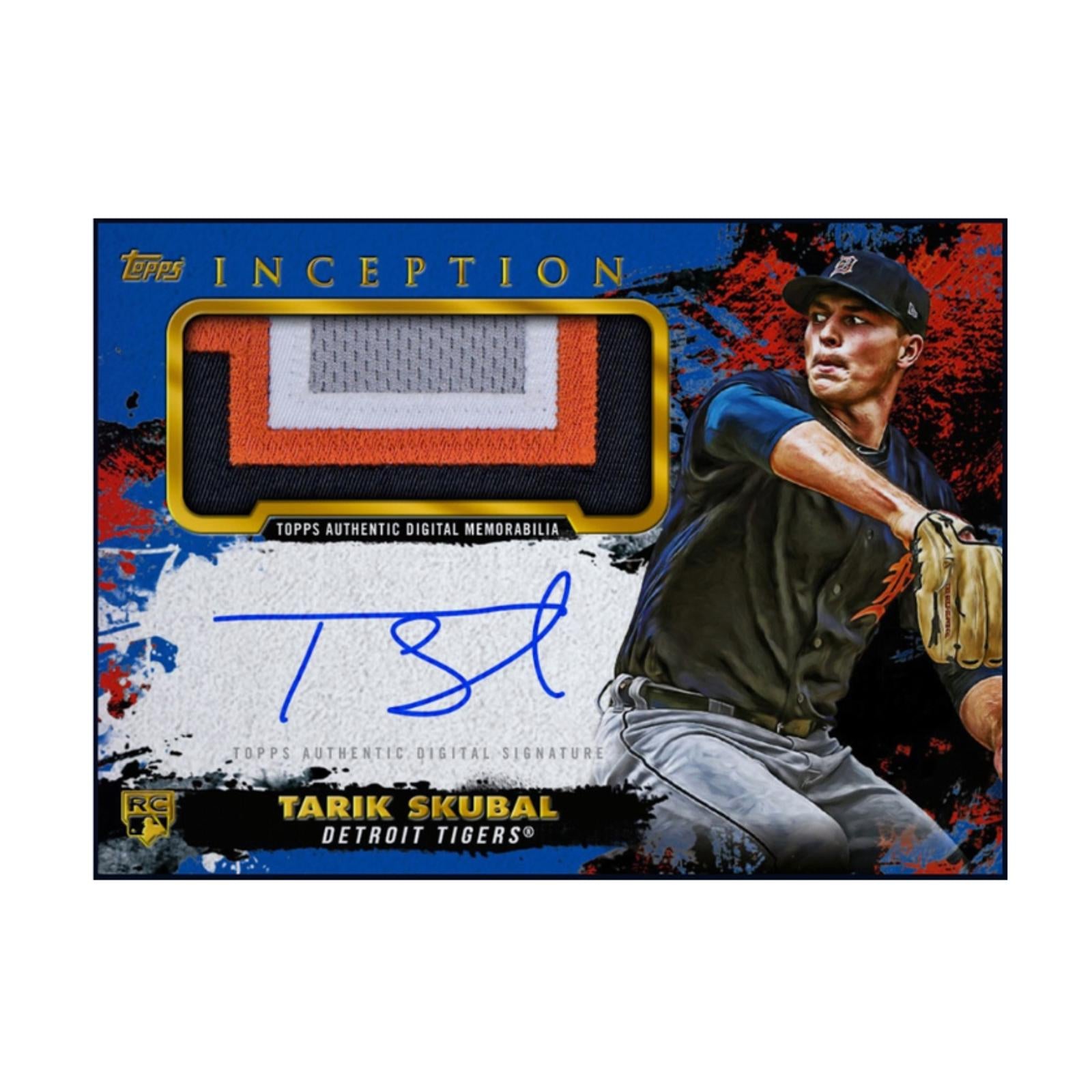
On-card versus sticker autographs is the next major distinction. On-card signatures tend to hold long-term value better and are generally favored by graders and collectors alike, while sticker autographs remain common because they let manufacturers pre-print stickers and apply them without waiting on players to sign physical cards.
Redemption cards are paper placeholders that a buyer exchanges through the manufacturer for the physical autographed card once it’s produced and signed. Because RDPA and other premium debut pieces are frequently issued this way, verifying the redemption chain and any issuer documentation is essential before paying a price that assumes the physical card already exists.
Parallels and numbered variants create the scarcity tiers within a single card design:
- Tiffany parallels typically signal a premium print variant with a distinct finish.
- Black and Super Futures parallels usually carry the lowest print runs within a release.
- Numbered parallels (out of 99, 25, or fewer) give buyers a hard scarcity ceiling to compare against population reports.
What Signals Predict Rising Value in a First-Year Autograph?
Four forces move prices on first-year autographs, and none of them work in isolation. Player performance is the most obvious driver, but scarcity, condition, and popularity all combine with performance to determine what a buyer is actually willing to pay for a given card.
Player performance matters because a rookie season, an award finish, or a signature moment changes how many people want the same card at the same time. Scarcity, measured through print runs and graded population reports, determines how few examples exist to meet that demand. Cultural narrative, meaning the story attached to a debut, a milestone, or a franchise moment, adds a layer of desirability that raw statistics don’t capture on their own. Historical comparable sales give buyers a reference point for what similar cards have actually closed at, rather than relying on asking prices alone.
Population reports plus recent comps beat gut instinct every time. A card with a documented low PSA or BGS population, cross-referenced against recent auction results for the same parallel, gives you a far more reliable read on fair value than scrolling active listings and guessing. Cards with genuinely low graded populations tend to outpace common parallels precisely because scarcity compounds with demand rather than simply adding to it.
Recent market history offers a useful case study. Cooper Flagg’s rookie debut patch autograph didn’t just set a record for one card. It reset the market’s sense of what a debut-patch piece from a generational prospect could be worth, and that ripple effect showed up in bidding on comparable RDPA releases across other sports in the following months. On the baseball side, Shohei Ohtani’s early Bowman and Topps rookie autos have shown dramatic long-term appreciation, a reminder that superstar-level performance can produce returns that look nothing like the broader market.
Build a habit of checking a short watchlist before any significant purchase:
- Recent auction house results for the same player, year, and parallel.
- Graded population counts through PSA or BGS population reports.
- Card Ladder or similar price-guide snapshots for trend direction.
- Hobby newsletters and outlet coverage of major signings, records, or redemptions.
How Does Nextgencards Curate and Authenticate First-Year Autographs?
Some sellers focus specifically on rare redemption cards, authentic rookie autographs, patches, and multi-player collectibles rather than offering a general marketplace for every card ever printed. That narrower focus is deliberate: it means the inventory you see is curated around exactly the categories this article covers, updated frequently rather than left static for months.
A few resources make it easier to verify what you’re buying before you commit:
- The Role of Debut Patch in Rookie Cards breaks down RDPA mechanics in more depth than most product listings offer.
- Why First-Year Cards Are Valuable covers the broader case for prioritizing rookie-year cards in a collection.
- How to Authenticate Rare Sports Memorabilia in 2026 walks through the practical verification steps referenced throughout this guide.
- Rookie Autograph Grading Explained helps new collectors interpret population reports and grading standards.
On the fulfillment side, limited-edition and redemption cards typically require extra handling. That means tracked shipping, and, on higher-value pieces, insured delivery, since a redemption card or a low-population autograph represents real money changing hands over a single piece of cardboard. Buyers should always confirm shipping and insurance terms on individual listings before finalizing a purchase, since terms can vary by product and price tier.
An Editor’s Take on Building a Rookie Autograph Collection
The smartest collections I’ve studied rarely bet everything on one era. They mix blue-chip vintage signed rookies, the kind Sports Illustrated has flagged as genuinely undervalued relative to modern parallels, with a handful of carefully chosen modern rookie autos tied to real performance, not just hype. Vintage gives you a floor. Modern gives you upside, provided you’re honest about which prospects are actually panning out versus which ones just had one hot month.
Pace matters more than most new collectors assume. Buying three cards a year with real due diligence beats buying twelve on impulse. Document everything: seller communication, redemption certificates, grading submissions, the works. That paper trail is worth more than people expect when it’s time to sell.
If there’s one rule that overrides every other piece of advice here, it’s this: buy the card you’d actually want to own even if it never appreciates, but never send payment until you’ve verified the signature, the population, and the seller’s track record.
— Richard
Where to Find Curated First-Year Autographs Right Now
Some online stores specialize in rare redemption cards, rookie autographs, and patch pieces that generic marketplaces don’t consistently stock. Instead of scrolling through thousands of unrelated listings, you’re looking at a catalog curated specifically for collectors chasing first-year signatures and low-population parallels.
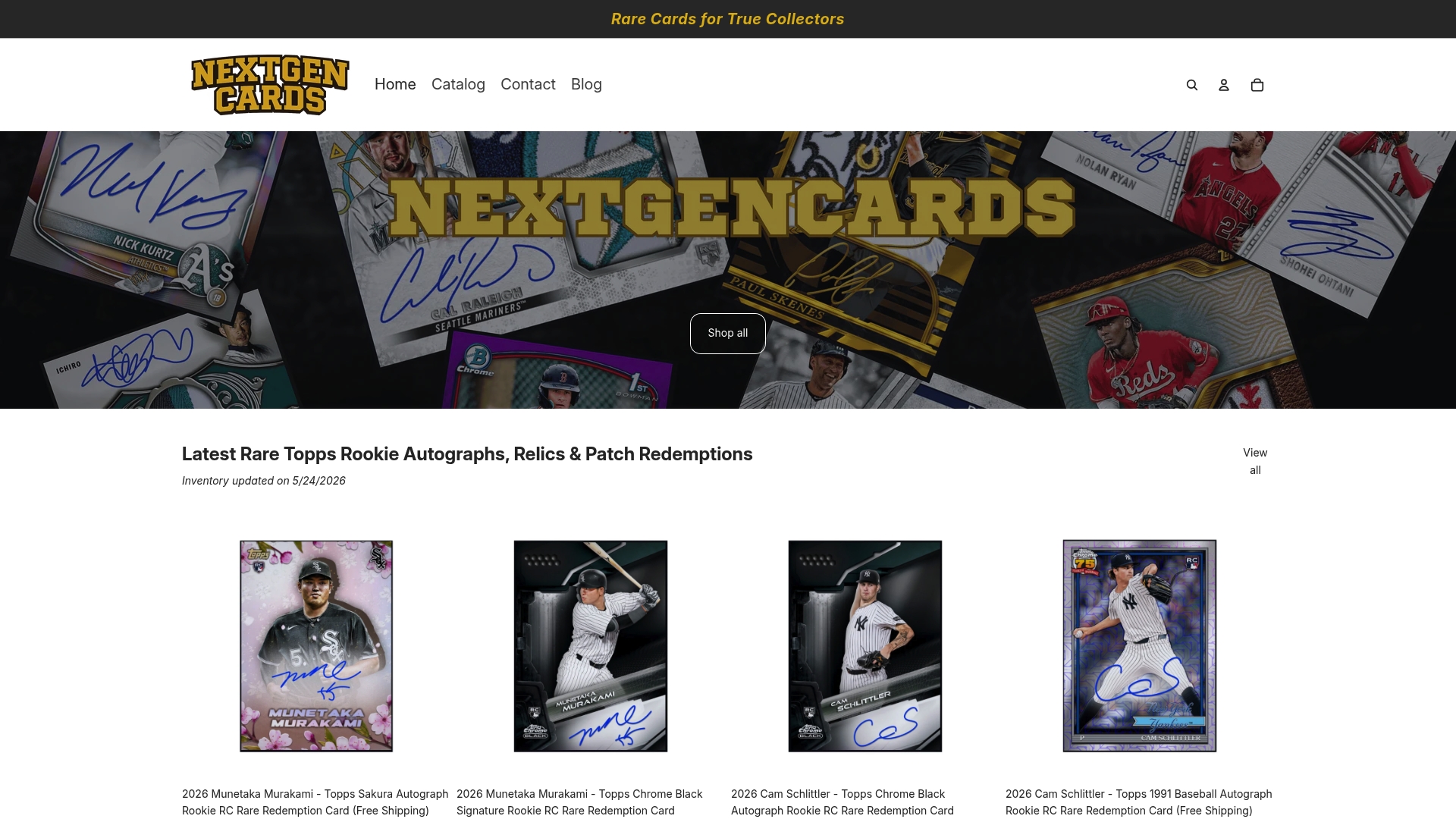
The rookie autographs and relics collection is the fastest way to browse current inventory across MLB, NBA, and NFL redemptions. If you want to start with a specific name from this guide, the Jalen Brunson Topps Reverence Jersey Patch Autograph redemption and the Mason Miller Topps Chrome Platinum Anniversary Autograph redemption are both live examples of the kind of curated, authenticated first-year autograph this article recommends. Several listings include free shipping, and some sellers back their inventory with authentication support so buyers are not left guessing about redemption status or provenance. Browse the collection now, pick the card that matches your budget and player conviction, and check the listing details before you check out.
Sources
This guide draws on a handful of specific sources rather than general hobby chatter. ESPN’s coverage of Cooper Flagg’s rookie debut patch autograph documents how RDPA releases reshape market expectations. SoFi’s sports-card investing primer explains the basic valuation framework behind card pricing. Sports Illustrated’s analysis of undervalued vintage rookie autos supports the case for mixing eras. CardMarks’ 2026 investing guide covers flagship products and population-based pricing in more depth. For condition assessment on collectibles generally, MagicFranco’s grading criteria breakdown offers a useful outside reference point.
- A Guide to Sports Card Investing | SoFi
- Cooper Flagg signs 1-of-1 rookie debut Topps card - ESPN
- Sports Card Investing 101 — Complete 2026 Guide | CardMarks
FAQ
Who Are the Hardest Autographs to Get in the Hobby?
The toughest signatures to land are typically retired legends who rarely sign, current superstars with exclusive signing deals tied to one manufacturer, and 1-of-1 rookie debut patch autographs like Cooper Flagg’s, where only a single copy exists by design. Scarcity and exclusivity, not just fame, are what push a signature into “hardest to get” territory.
What Year of Sports Cards Tends to Be Worth the Most?
There’s no single universal year. Value comes down to the individual card’s player, scarcity, and condition rather than the calendar year alone, since what a buyer is willing to pay is driven by performance, popularity, scarcity, and condition together. A rookie card’s issue year matters mainly because it’s tied to a player’s debut season and print run, both of which affect scarcity.
Which Grading Company Is Most Reliable for Autographed Cards?
PSA, BGS, and SGC are the three grading companies most widely trusted in the autograph market, each with its own population reporting and authentication process. No single company is universally “best,” so cross-checking a card’s population report and grading history against known standards matters more than which company’s label happens to be on the slab.
What Is Considered the Holy Grail of Sports Cards?
Definitions vary across collectors, but the phrase usually points to a unique, 1-of-1, or historically unrepeatable piece, such as a rookie debut patch autograph tied to a generational player’s first game. Cards in that tier, like the Cooper Flagg RDPA, set records precisely because no comparable copy exists.
Does Nextgencards Sell First-Year Autographed Redemption Cards?
Yes. Nextgencards specializes in rare rookie autograph, patch, and redemption cards across MLB, NBA, and NFL, including the Junior Caminero and Jalen Brunson redemptions featured in this guide. Current pricing for each card is listed on its individual product page.
0 comments