

First-year cards, known in the hobby as rookie cards, are the most valuable cards a player will ever have because they represent the only officially licensed debut memorabilia of a professional career. A player may appear on hundreds of cards over a decade, but only one rookie card set exists per career. That permanent scarcity is the foundation of the entire rookie card market. Collectors and investors alike recognize this as the defining criterion for long-term value, and record sales confirm it. A 2023–24 Panini Prizm one-of-one rookie card sold for $5.11 million in 2026, setting a record for the most expensive non-autographed NBA card ever sold.
Why first-year cards are valuable: the core drivers
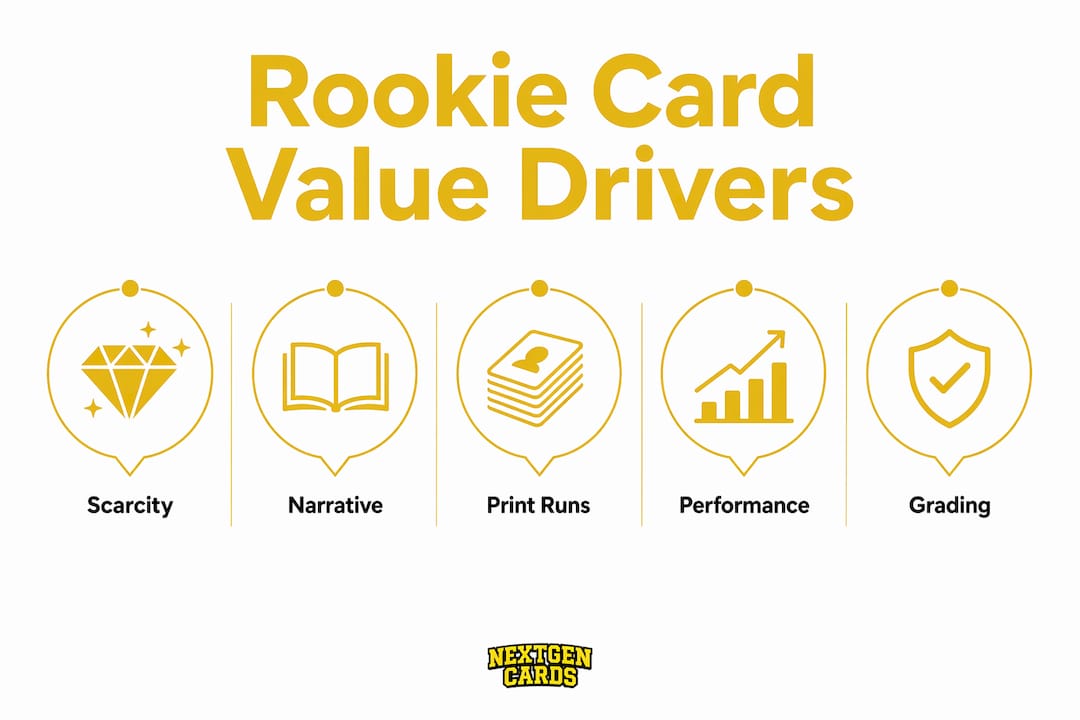
The value of rookie cards rests on several reinforcing factors, not just one. Understanding each one helps collectors make smarter decisions about what to buy and when to sell.
Scarcity of narrative is the single most powerful driver. Owning a rookie card means owning the player’s origin story. No subsequent card, regardless of print run or rarity, can replicate that. Even rarer second-year cards cannot match the emotional and market weight of the official debut card.
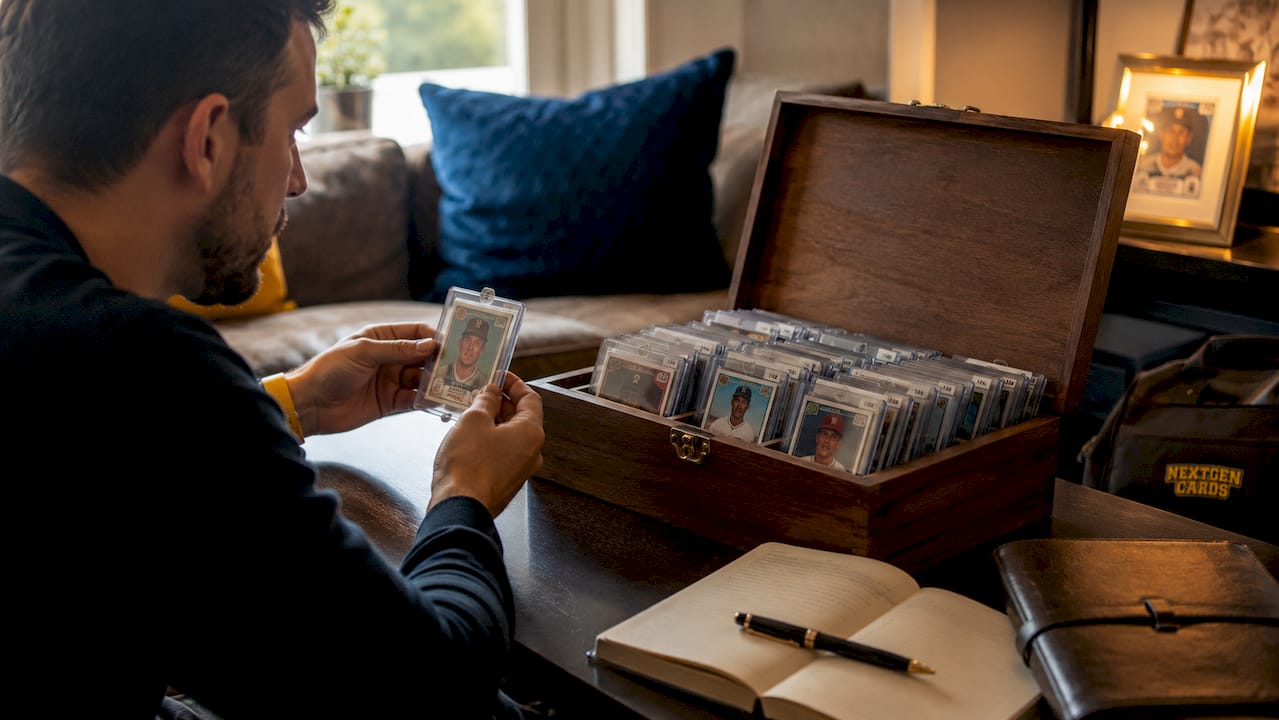
Print runs and parallel variants add another layer. Modern rookie card sets include base versions, refractors, autographed parallels, and numbered limited editions. A numbered rookie autograph with a print run of 10 carries far more scarcity than a base card printed in the thousands. The rarer the variant, the more aggressively the market prices it.
Grading acts as a price multiplier. PSA 10 Gem Mint graded cards command significantly higher prices than raw, ungraded copies of the same card. Graded cards also carry better liquidity. Collectors can sell a PSA 10 faster and at a higher price than an ungraded equivalent because the grade removes condition uncertainty from the transaction.
Key value drivers at a glance:
- One-time scarcity: Each player produces exactly one rookie card season, making supply permanently fixed.
- Narrative premium: The debut card carries historical weight no later card can replicate.
- Grading impact: PSA 10 status creates a measurable price premium over raw cards.
- Print run rarity: Numbered parallels and autographed variants amplify scarcity within the rookie card category.
- Vintage stability: Vintage rookie cards from established sets like Topps and Bowman function as blue-chip assets in the hobby, appreciating consistently over time.
How do hype cycles affect rookie card prices?
Rookie card values are not static. They move with player performance, media coverage, and collector sentiment. Values can spike 300% on hype and crash just as fast following an injury or a string of poor performances. A single standout game can push a card’s price up 40% overnight. That volatility creates both opportunity and risk.
Draft position and team market size shape demand from the start. A first-overall pick joining a large-market franchise generates far more immediate collector interest than a mid-round pick on a small-market team. Multiple signals drive collector behavior, including draft hype, media exposure, and the player’s position scarcity in their sport.
Major events amplify this effect. A rookie who performs well in a playoff run or a championship series will see card prices surge during and immediately after those games. The window is short. Collectors who track performance data and media volume, not just price, are better positioned to act before the market moves.
- Monitor player performance stats weekly during the rookie season.
- Track media mentions and social volume as leading indicators of price movement.
- Watch for injury reports, which are the fastest trigger for price corrections.
- Note team schedule strength, since high-profile matchups generate more media and collector attention.
Pro Tip: Set price alerts on major card marketplaces for the specific rookie cards you track. Price movement often happens within hours of a major game, so real-time alerts let you act before the market fully adjusts.
Rookie cards vs. prospect and second-year cards
Collectors frequently confuse rookie cards with prospect cards and second-year cards. The distinction matters because it directly affects value and what you pay.
A prospect card, such as a 1st Bowman card, appears before the player makes their official major league debut. These cards capture pre-debut potential and carry their own collector following. However, the RC logo, standardized around 2006, marks only officially licensed debut-year cards. A 1st Bowman card does not carry the RC designation and therefore does not hold the same market status as a true rookie card.
A second-year card comes after the debut season. These cards occasionally have lower print runs than rookie cards, creating genuine scarcity in graded populations. Lower pop counts for graded second-year cards can create real value, but they lack the narrative premium that makes rookie cards the centerpiece of serious collections.
| Card type | RC logo | Debut status | Narrative premium | Typical market demand |
|---|---|---|---|---|
| Rookie card | Yes | Official debut season | Highest | Highest |
| Prospect card (1st Bowman) | No | Pre-debut | Moderate | Moderate to high |
| Second-year card | No | Post-debut | Low | Lower, but graded scarcity helps |
Pro Tip: If you want exposure to a player before their rookie cards are widely available, a 1st Bowman card can work. Just price it as a prospect card, not a rookie card, and adjust your value expectations accordingly.
Strategies for collecting and investing in first-year cards
Collecting rookie cards for investment requires patience and discipline. The hobby rewards collectors who treat it as a market, not just a passion.
-
Wait 12–24 months after debut. Expert guidance consistently recommends this window. Initial hype inflates prices beyond what performance data justifies. Waiting lets the market correct and reveals better entry points for cards with genuine long-term potential.
-
Target PSA 10 Gem Mint condition. Graded cards carry better liquidity and higher resale value than raw cards. When buying raw cards to submit for grading, inspect centering, surface condition, and corner sharpness carefully. A card that grades PSA 9 instead of PSA 10 can be worth significantly less.
-
Track grading population reports. Population reports from grading services show how many copies of a specific card have received each grade. A low PSA 10 population on a rookie card signals genuine scarcity and supports a higher price ceiling. Collectors who monitor pop reports gain a real informational edge.
-
Sell into hype, not out of fear. The best time to sell is during a price spike driven by media attention or a strong performance. Waiting for the peak is impossible, but selling during the upswing rather than the correction protects returns.
-
Look at graded rookie parallels and second-year cards for undervalued opportunities. When a player’s base rookie card is fully priced by the market, numbered parallels or graded second-year cards sometimes offer better value relative to their actual scarcity. The gap between hype and performance is where savvy collectors find the best opportunities.
Pro Tip: Check the rarest rookie card variations before buying any parallel. Knowing which print runs are genuinely scarce versus which ones just look rare helps you avoid overpaying for a card the market has already fully priced.
For collectors tracking examples of appreciating rookie cards, historical performance data shows which player profiles tend to hold value over time versus which ones fade after the initial hype cycle.
Key Takeaways
First-year cards hold their value because they combine permanent scarcity, historical significance, and collector consensus in a way no other card type can replicate.
| Point | Details |
|---|---|
| Permanent scarcity | Each player produces exactly one rookie card season, fixing supply forever. |
| Narrative premium | The debut card owns the player’s origin story, which no later card can claim. |
| Grading multiplies value | PSA 10 Gem Mint cards command higher prices and sell faster than raw copies. |
| Hype creates volatility | Values can spike or crash 40% or more overnight based on performance and media. |
| Timing improves returns | Waiting 12–24 months post-debut reduces hype premium and reveals better entry prices. |
The part of rookie card collecting most collectors overlook
I’ve watched collectors make the same mistake for years. They buy a rookie card at peak hype, convinced the player’s trajectory only goes up, and then watch the price drop 60% after a slow second season. The card itself didn’t change. The market’s expectations did.
What I’ve come to believe is that rookie cards are best understood as options on a player’s future, not guarantees of it. The emotional pull of owning the first chapter of someone’s career is real and legitimate. That feeling is part of what makes this hobby worth participating in. But newer collectors often let that emotion override the market signals that experienced collectors read clearly.
The production side of the hobby has also shifted. Modern sets include so many parallel variants that “scarcity” now requires careful definition. A card numbered to 99 feels rare until you realize the same player has 15 other numbered parallels from the same set. Real scarcity means low print runs across all variants, not just one.
My honest advice: collect what genuinely excites you, but price it like an investor. Know the pop report. Know the print run. Know where you are in the hype cycle. The collectors who do all three consistently are the ones who build collections that appreciate over time rather than just look impressive on a shelf.
— Richard
Nextgencards: curated rookie cards for serious collectors
Collectors who understand the importance of first-year cards need a source they can trust for authentic, high-grade inventory.
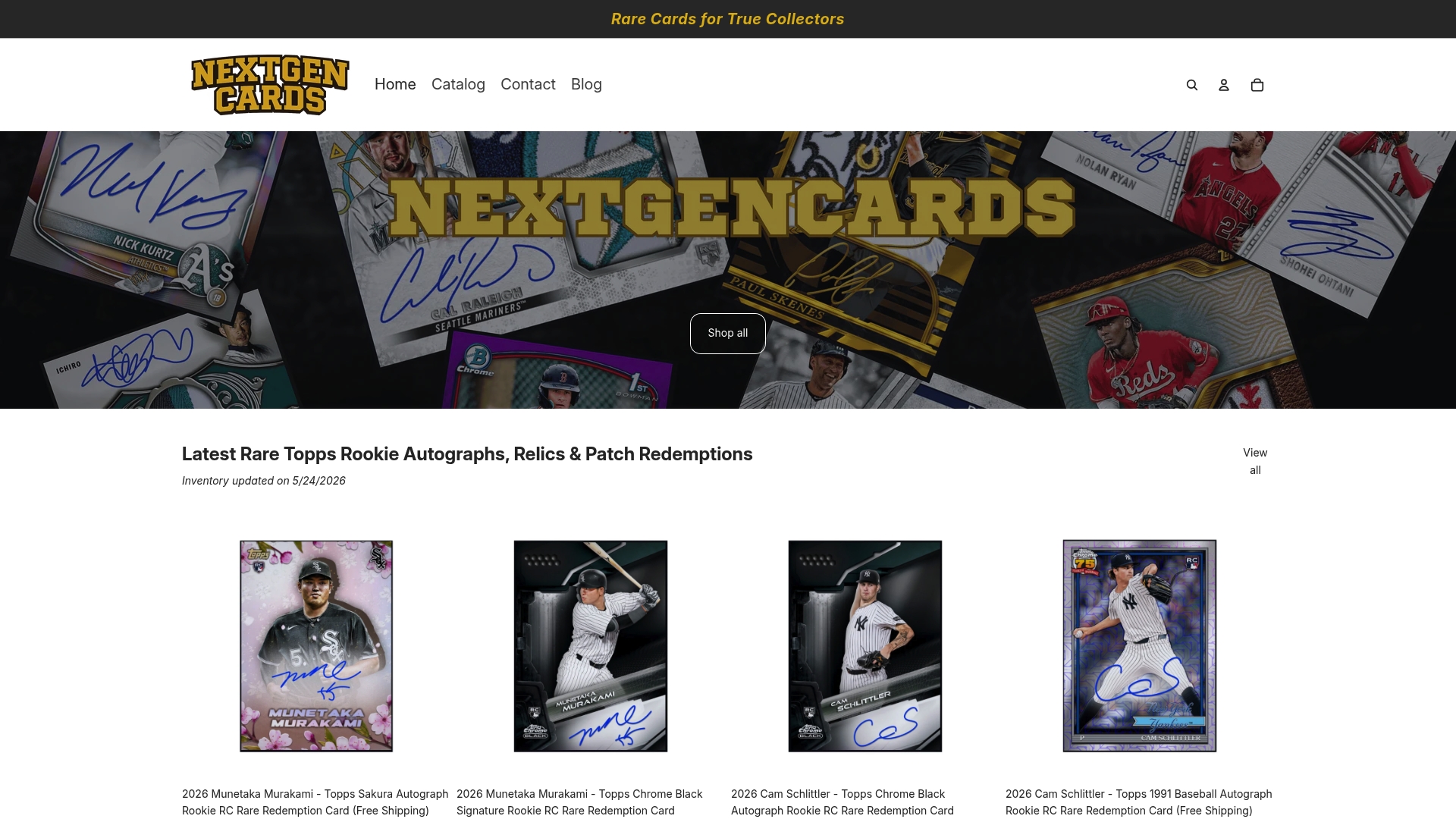
Nextgencards specializes in rare rookie autographs, relic cards, and limited-edition redemption cards from top athletes across major sports. The inventory includes authenticated pieces from players like Shohei Ohtani and Aaron Judge, with expert curation focused on cards that serious collectors and investors actually want. Browse the full selection of rookie autographs and relics to find graded and authenticated first-year cards with free shipping on select items. For collectors ready to add proven, high-value pieces to their collection, Nextgencards is a trusted next step.
FAQ
What makes a card an official rookie card?
An official rookie card carries the RC logo, standardized around 2006, and represents the player’s first officially licensed card from their debut professional season. Prospect cards issued before the debut, such as 1st Bowman cards, do not qualify.
Why do rookie cards hold value better than other cards?
Rookie cards hold value because of permanent scarcity. Only one rookie season exists per player, making the supply fixed forever. That scarcity, combined with the historical significance of the debut, creates a narrative premium no later card can match.
How much can rookie card values change in a short time?
Rookie card values can fluctuate by as much as 40% overnight based on player performance, and hype-driven spikes can push prices up 300% before corrections bring them back down.
Is grading worth it for rookie cards?
Grading is worth it for rookie cards in strong condition. PSA 10 Gem Mint cards command significantly higher prices than raw copies and sell more easily because the grade removes condition uncertainty for buyers.
When is the best time to buy a rookie card?
The best time to buy is 12–24 months after a player’s debut. That window allows initial hype to subside and gives collectors clearer performance data to assess whether the card’s price reflects genuine long-term value.
0 comments