

Rookie cards are the first officially licensed trading cards issued for an athlete during their debut season, and they capture kids’ attention more than any other card type because they combine timing, narrative, and status into a single collectible. A child pulling a Shohei Ohtani or Aaron Judge rookie from a pack isn’t just holding cardboard. They’re holding the beginning of a story they already care about. Grading services like PSA and Beckett have formalized rookie card status, and shared pack-opening experiences with parents significantly increase long-term hobby engagement through emotional memory formation.
Why kids love rookie cards: timing, story, and status
The core reason why kids love rookie cards comes down to one word: beginnings. A rookie card captures the moment before greatness is confirmed. The player is new, the story is unwritten, and the child collector gets to say, “I believed in them first.” That feeling of early ownership over a narrative is genuinely powerful for young fans.
Rookie cards represent the beginning of a player’s story, combining timing, narrative, and status into a meaningful collectible. This framing makes rookie card collecting more meaningful to younger collectors than random base cards or inserts. A kid who owns a rookie card of a player who later wins an MVP award can point to that card and say they had it from the start.
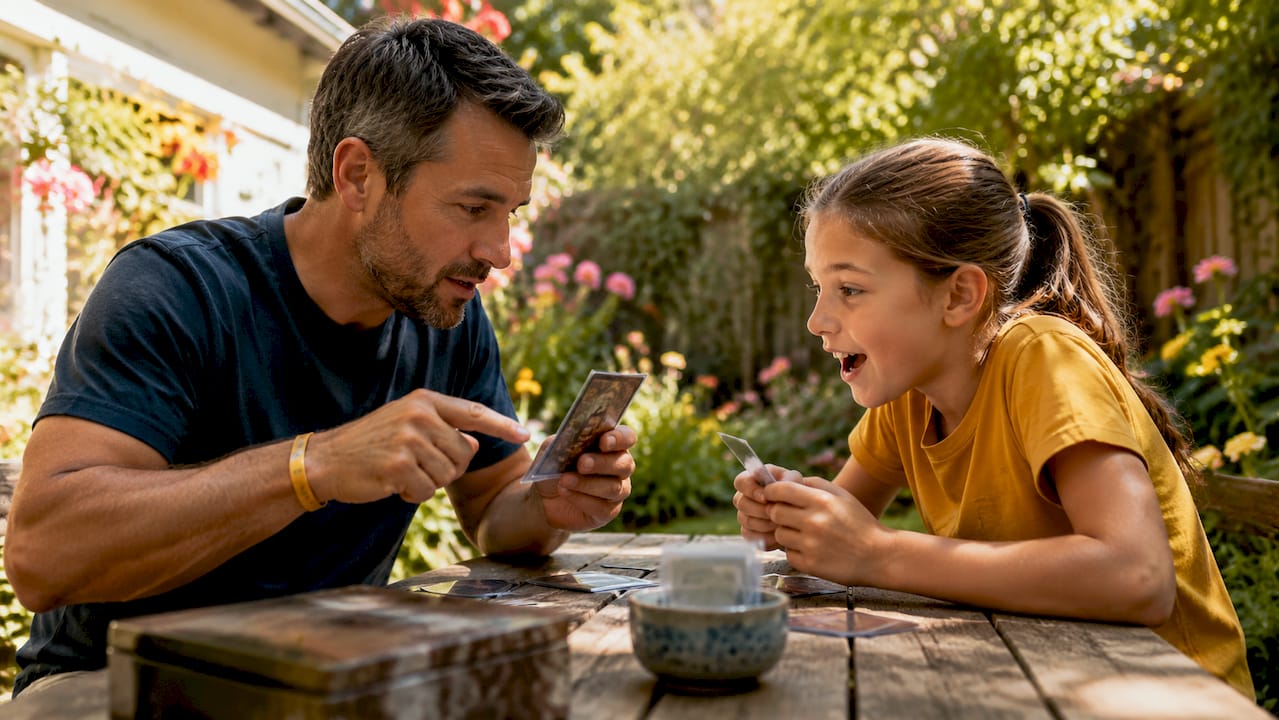
The storytelling power of these cards is real. Players like LeBron James, Patrick Mahomes, and Fernando Tatis Jr. all have rookie cards that became cultural touchstones precisely because young fans connected with their journeys early. Kids don’t just collect the card. They collect the story attached to it.
Status also plays a role. Among young collectors, owning a recognized rookie card from a top prospect signals knowledge and taste. It’s an identity anchor. A child who collects Wemby rookie cards is communicating something about who they are as a sports fan, not just what they own.
“The rookie card’s appeal to kids isn’t about money. It’s about being part of something from the very beginning.”
Compare this to a veteran player’s base card or a parallel insert. Those cards may be rarer or more expensive, but they lack the narrative pull. Kids respond to story structure, and rookie cards deliver a clear plot: prospect rises, career begins, legend potentially follows.
How rookie cards help kids organize their collections
Rookie card collecting gives kids a manageable scope that reduces decision overload and keeps the hobby enjoyable. Instead of trying to collect every card in a set, a child can focus on one player, one draft class, or one team’s rookies. That focus creates a personal narrative and a collection with a clear chapter structure.
This matters more than most parents realize. Kids who feel overwhelmed by too many choices tend to lose interest quickly. Focusing on rookie cards from a single sport or a favorite player gives the hobby a defined shape. Progress feels visible. A binder of rookie cards from the 2023 NBA Draft class tells a story that a random assortment of cards never could.
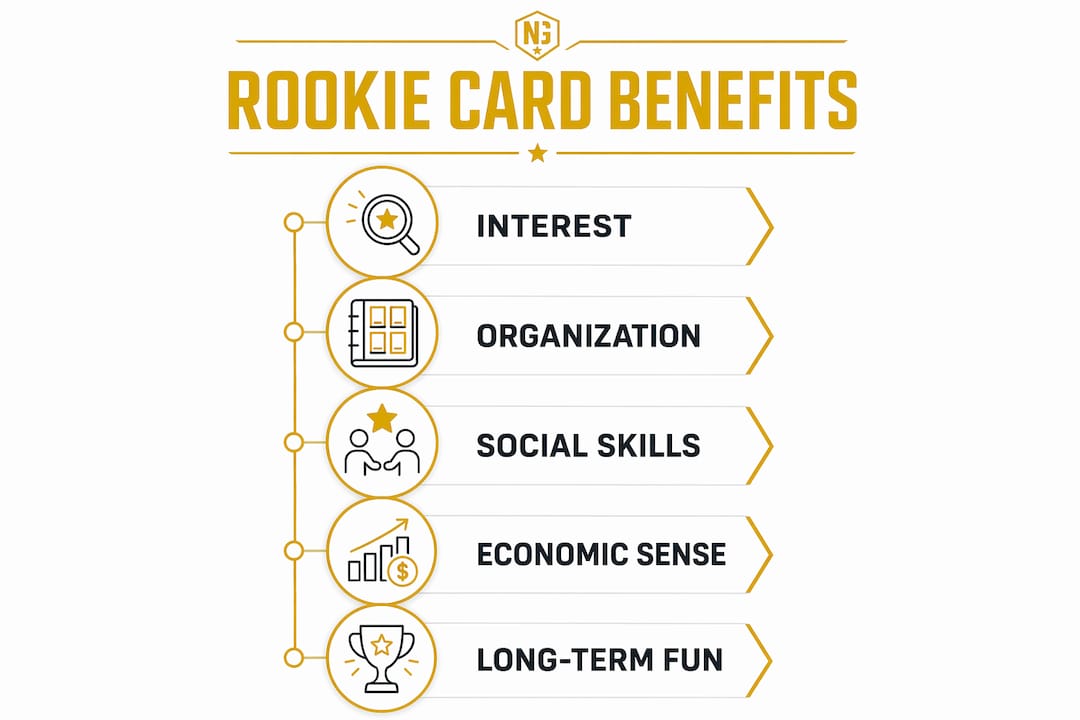
SI for Kids cards serve as entry points for athletes with few traditional rookie releases, broadening the collecting scope for young fans. This accessibility matters because it means kids don’t need a large budget to start a focused collection. Rookie-adjacent cards fill gaps and keep the hunt exciting.
| Collecting strategy | Scope | Best for | Challenge level |
|---|---|---|---|
| Single player rookies | Narrow | Beginners | Low |
| Team draft class | Medium | Intermediate | Medium |
| Multi-sport rookies | Wide | Advanced | High |
| Graded rookie slabs | Narrow to medium | Serious collectors | High |
Pro Tip: Have your child pick one favorite player and build their entire rookie card collection around that athlete first. This creates a sense of completion and pride that keeps them motivated to expand later.
Teaching kids to use binder pages, penny sleeves, and top loaders from the start also builds organizational habits that carry into other areas of life. Card care is a skill, and rookie cards are the perfect motivation to learn it.
What social and economic lessons kids learn from trading cards
Trading rookie cards teaches kids real-world skills that no classroom exercise replicates as naturally. When a child negotiates a trade at a card shop or a school lunch table, they’re practicing communication, reading social cues, and assessing value in real time. These are not trivial skills.
Kids as young as five learn negotiation and card care at shop events, picking up basics of supply, demand, rarity, and condition through direct experience. A child who discovers that a low-print-run rookie card trades for three common cards has just learned scarcity economics without a textbook.
The social benefits extend beyond trading mechanics. Card shops and collecting events expose kids to a community with shared interests, which builds self-esteem and reduces loneliness in interest-based communities. Young collectors find belonging in these spaces, which deepens their connection to the hobby.
Key social and economic skills kids develop through rookie card collecting:
- Negotiation: Proposing and evaluating trades builds confidence in expressing value judgments.
- Condition awareness: Learning that a creased card is worth less than a mint copy introduces quality standards.
- Rarity recognition: Understanding print runs and parallel numbering teaches scarcity concepts.
- Budgeting: Deciding how to spend a limited allowance on cards builds financial decision-making habits.
- Etiquette: Respecting other collectors’ cards and honoring agreed trades teaches social norms.
Parents can guide kids through these lessons without removing the fun. The goal is to let the child lead while offering context when needed. A parent who explains why a numbered rookie autograph commands more in a trade is giving their child a genuine financial literacy lesson wrapped in something they love.
Understanding rookie card value and managing expectations
Rookie card value depends on a combination of player significance, scarcity, condition, grading, timing, nostalgia, story, and cultural relevance. The rookie label alone does not guarantee high value. This is one of the most important things parents can teach young collectors early.
A child who assumes every rookie card is worth significant money will face disappointment quickly. Base rookie cards from large print runs may carry sentimental value without carrying market value. That distinction is worth explaining clearly and without discouraging the child’s enthusiasm.
| Value factor | What it means | Kid-friendly explanation |
|---|---|---|
| Player significance | Career performance and fame | “Is this player a star?” |
| Scarcity | Print run and availability | “How many of these exist?” |
| Condition | Physical state of the card | “Is it scratched or perfect?” |
| Grading | PSA or Beckett score | “What did the experts say?” |
| Timing | When the card was acquired | “Did you get it early?” |
Pro Tip: Use free tools like the PSA Population Report or recent eBay sold listings to show kids how condition and scarcity affect real prices. Turning value research into a 10-minute activity together makes the lesson stick.
Experienced collectors stress teaching kids multiple factors affecting rookie demand to foster realistic collecting and budgeting habits. A card prized for its story and cultural relevance, like a rookie card of a player from a child’s hometown team, holds real personal value even if the market price is modest. Teaching kids to honor both types of value creates a healthier relationship with the hobby.
You can also explore undervalued sports cards as a family exercise, which teaches kids to look beyond hype and develop their own informed opinions about which prospects are worth collecting.
How parents can nurture a lasting love for rookie card collecting
Building a lasting collecting habit in a child requires intentional involvement from parents, not just passive permission to buy packs. The most effective approach combines shared rituals, skill-building, and social encouragement.
- Start with shared pack openings. Sit down together when new packs arrive. React to pulls together. The emotional memory formed in these moments is what turns collecting into a sustainable family hobby over time.
- Teach card care from day one. Show kids how to handle cards by the edges, use penny sleeves immediately after opening, and store rookie cards in top loaders or binders. Proper care habits build pride in the collection.
- Encourage social participation. Take kids to local card shops, trade nights, or sports card shows. The collecting community reinforces the hobby in ways no solo collecting experience can match.
- Set a collecting budget together. Give kids ownership over their hobby spending. A monthly card budget teaches financial responsibility and makes each purchase feel more meaningful.
- Celebrate milestones. When a child completes a player collection or pulls a notable rookie, acknowledge it. Recognition reinforces the behavior and deepens the emotional connection to the hobby.
Pro Tip: Starter sets from brands like Topps and Panini are ideal for new young collectors. Look for hobby boxes with guaranteed rookie hits to make the first experience memorable without requiring a large investment.
The importance of rookie cards as a collecting foundation becomes clear when kids have a parent actively engaged in the process. Parental involvement is the single biggest predictor of whether a child’s collecting interest becomes a lasting hobby or fades after a few months.
Key takeaways
Rookie cards captivate kids because they deliver timing, story, and status in one collectible, and parental involvement is the most reliable way to turn that initial excitement into a lasting hobby.
| Point | Details |
|---|---|
| Story drives appeal | Rookie cards capture a player’s debut, giving kids a narrative they can follow and own from the start. |
| Focus builds habits | Collecting one player or draft class reduces overwhelm and creates visible progress for young collectors. |
| Trading teaches skills | Negotiation, scarcity awareness, and budgeting all develop naturally through rookie card trading. |
| Value is multi-factor | Player significance, condition, scarcity, and grading all determine worth. The rookie label alone is not enough. |
| Parental involvement matters | Shared pack openings and guided collecting experiences are the strongest predictors of long-term hobby engagement. |
Why I think most parents underestimate what rookie cards actually teach
Most conversations about kids and rookie cards focus on whether the hobby is worth the money. That framing misses the point entirely. In my experience, the real value of rookie card collecting for children has nothing to do with what a card sells for on eBay.
What I’ve observed is that kids who collect rookie cards with genuine parental engagement develop a specific kind of confidence. They learn to form opinions, defend them in trades, and accept that not every decision pays off. Those are adult skills delivered through a hobby that feels like pure fun.
The pitfall I see most often is parents who get too focused on monetary value too early. When a child’s first question about a card becomes “what’s it worth?” instead of “who is this player?”, something important has been lost. The hobby stops being about curiosity and starts being about anxiety. That shift kills long-term engagement faster than anything else.
My honest advice: let the story lead. If your child is excited about a rookie card because they watched that player score a game-winning goal last week, that connection is worth more than any PSA grade. The grading and value education can come later, once the love for the hobby is already established.
Collecting communities, whether at local card shops or online forums, also shape kids in ways parents don’t always anticipate. Belonging to a group of people who share your passion is genuinely good for young people’s sense of identity. Rookie cards are often the entry point to that community, and that alone justifies the investment.
— Richard
Start your child’s rookie card collection with Nextgencards
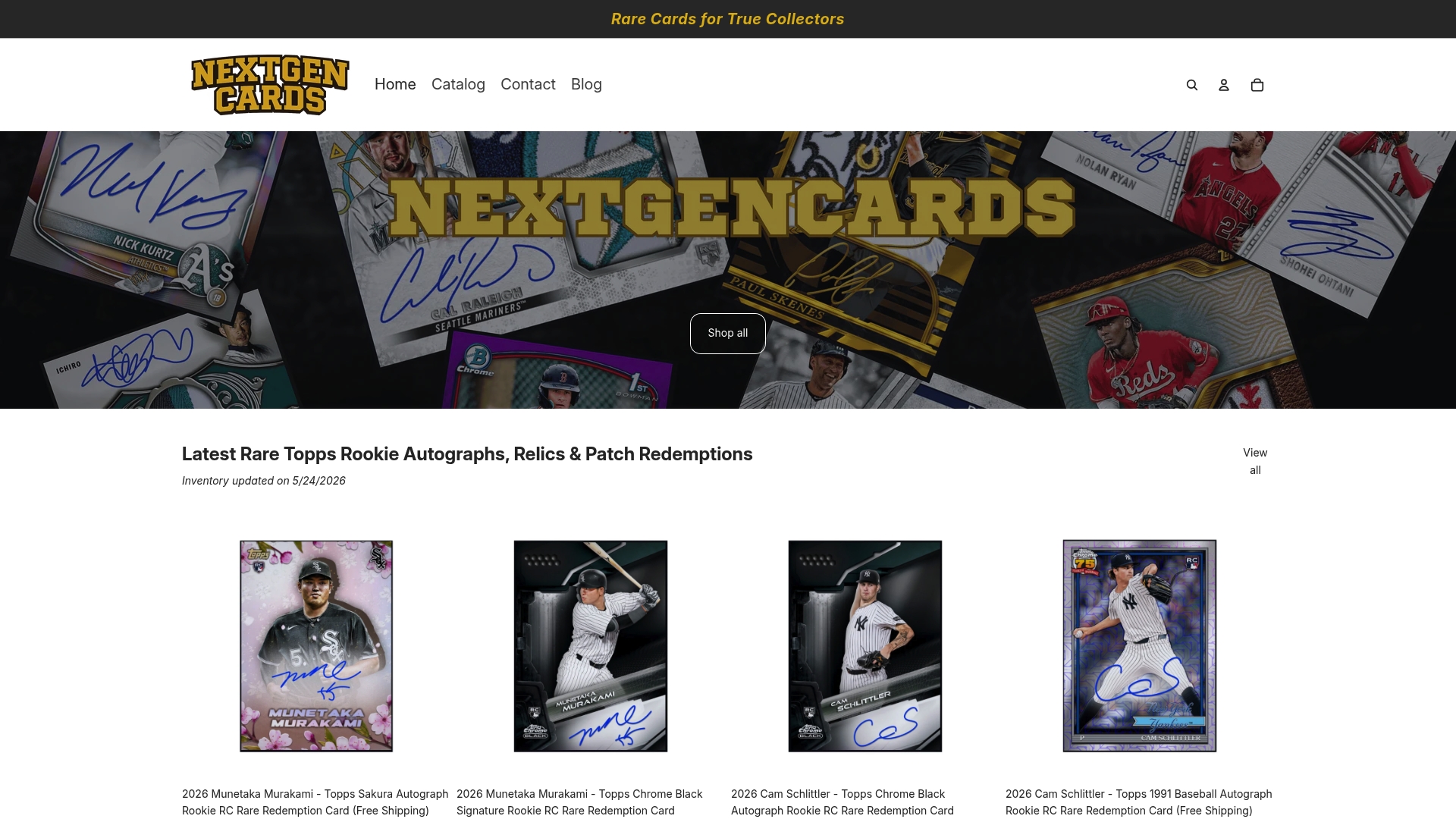
Nextgencards carries a curated selection of authentic rookie autographs and relics from athletes like Shohei Ohtani and Aaron Judge, making it a trusted source for families looking to start or expand a meaningful collection. Every card in the inventory is authentic, and the site offers free shipping on select items, which makes it practical for parents buying starter pieces for young collectors. Whether you’re looking for a single standout rookie card as a gift or building a focused collection around a favorite player, Nextgencards offers the depth and authenticity that serious young collectors deserve. Browse the full selection at NextGenCards and find the card that starts the next great collecting story.
FAQ
What exactly is a rookie card?
A rookie card is the first officially licensed trading card issued for an athlete during their debut season in a professional league. Grading services like PSA and Beckett have specific criteria that determine which cards qualify as true rookies.
Why do rookie cards resonate as gifts for kids?
Rookie cards resonate as gifts because they combine a recognizable player with the excitement of a beginning, giving kids a card that carries both personal and potential future significance. A rookie card of a child’s favorite athlete is more personal than a generic toy.
Do all rookie cards increase in value?
No. Rookie card value depends on player significance, scarcity, condition, and timing. Base rookie cards from large print runs often hold sentimental value without significant market value.
At what age can kids start collecting rookie cards?
Kids as young as five participate in card trading and collecting at shop events, though most develop genuine collecting habits between ages seven and ten. Starting with affordable base rookie cards from Topps or Panini keeps the entry point accessible.
How do I teach my child about rookie card condition?
Show kids how to handle cards by the edges and use penny sleeves immediately after opening packs. Comparing a mint card to a worn copy using PSA grading standards is a practical way to make condition tangible and meaningful.
Recommended
- Why Rookie Year Cards Matter for Serious Collectors – Next Gen Cards LLC
- Top Places to Buy Rare Rookie Cards (Collectors Guide) | NextGenCards – Next Gen Cards LLC
- Buy Certified Autograph Rookie Cards: 2026 Collector’s Guide – Next Gen Cards LLC
- Rarest Rookie Card Variations: Collector’s 2026 Guide – Next Gen Cards LLC
0 comments