

Certified autograph rookie cards are sports trading cards that carry an athlete’s authenticated signature applied during the card’s production process, verified by the issuing manufacturer or a third-party grading company. When you buy certified autograph rookie cards, you acquire a piece of memorabilia with a documented chain of authenticity, which matters both for collectible integrity and long-term investment value. Manufacturers like Topps and Panini embed certification holograms and serial numbers directly into the card, making these distinct from raw signed cards circulating on the secondary market. PSA/DNA remains the most trusted third-party authenticator in the hobby. This guide covers what to look for, where to buy, how to verify, and how to price smart.
What are certified autograph rookie cards and why buy them?
A certified autograph rookie card, known in the hobby as a Rookie Patch Autograph (RPA) or simply a rookie auto, combines a player’s first officially designated trading card with a manufacturer-certified signature. The “rookie” designation is more precise than most collectors realize. Topps, for example, introduced a “Call Up” designation on Bowman rookie cards that affects official rookie card status, meaning some players who debuted in 2025 will not have their true rookie cards until 2027 product releases. Buying the wrong card, even one signed by the player, can mean acquiring something that lacks official RC designation and therefore carries less resale value.
The distinction between on-card and sticker autographs also matters significantly. On-card autographs are signed directly on the card stock during a signing session organized by the manufacturer. Sticker autographs are signed on adhesive labels applied to the card afterward. Serious collectors and investors consistently pay a premium for on-card signatures because they are harder to fake and visually superior. Panini’s National Treasures and Topps’ Transcendent lines are known for on-card autographs from elite prospects.
Here is why certified autograph rookie cards attract both collectors and investors:
- Authentication guarantee. The manufacturer’s hologram and certification number confirm the signature’s legitimacy before the card reaches the market.
- Scarcity. Most certified rookie autos are serial-numbered, with print runs ranging from 1 to 299 copies, creating built-in rarity.
- Investment upside. A 2023 Prizm Black Victor Wembanyama rookie card sold for $5.11 million, demonstrating the ceiling for certified rookie autographs of generational talents.
- Liquidity. Graded and certified cards trade more easily on platforms like eBay and PWCC because buyers trust the documentation.
- Historical record. Rookie autos from players like Shohei Ohtani and Aaron Judge have appreciated steadily as their careers progressed.
Seasoned collectors focus on the player’s official RC checklist designation rather than just the on-field debut date. That discipline separates informed buyers from those who overpay for cards that lack the official rookie card stamp.
How to verify genuine rookie autograph cards and avoid fakes
More than 60% of autographs from top athletes circulating in the hobby market may be counterfeit. That statistic means the majority of unverified signed cards you encounter on informal marketplaces carry real risk. Third-party authentication from PSA/DNA is the industry standard for reducing that risk, and it should never be treated as optional when purchasing raw signed rookie cards.
Follow these steps to verify genuine rookie autograph cards before committing to a purchase:
- Confirm the certification number. Every PSA/DNA-authenticated card carries a unique cert number. Enter it directly on the PSA website to confirm the card’s grade, description, and population report. A cert number that returns no result is an immediate red flag.
- Evaluate the seller’s reputation. Check feedback scores, return policies, and transaction history on any platform. Sellers with fewer than 50 transactions and no return policy on high-value cards warrant extra scrutiny.
- Examine photo quality in the listing. Authentic sellers photograph both the front and back of the card clearly, showing the hologram, serial number, and signature in full detail. Blurry or cropped images that obscure the hologram are a warning sign.
- Check serial number alignment. On serial-numbered cards, the stamped foil number should be straight, evenly spaced, and consistent with the card’s design. Misaligned or smudged serials suggest tampering or counterfeiting.
- Research the card’s provenance. Ask the seller for the card’s purchase history. Cards pulled directly from sealed packs or purchased from authorized retailers carry stronger provenance than those with vague “personal collection” origins.
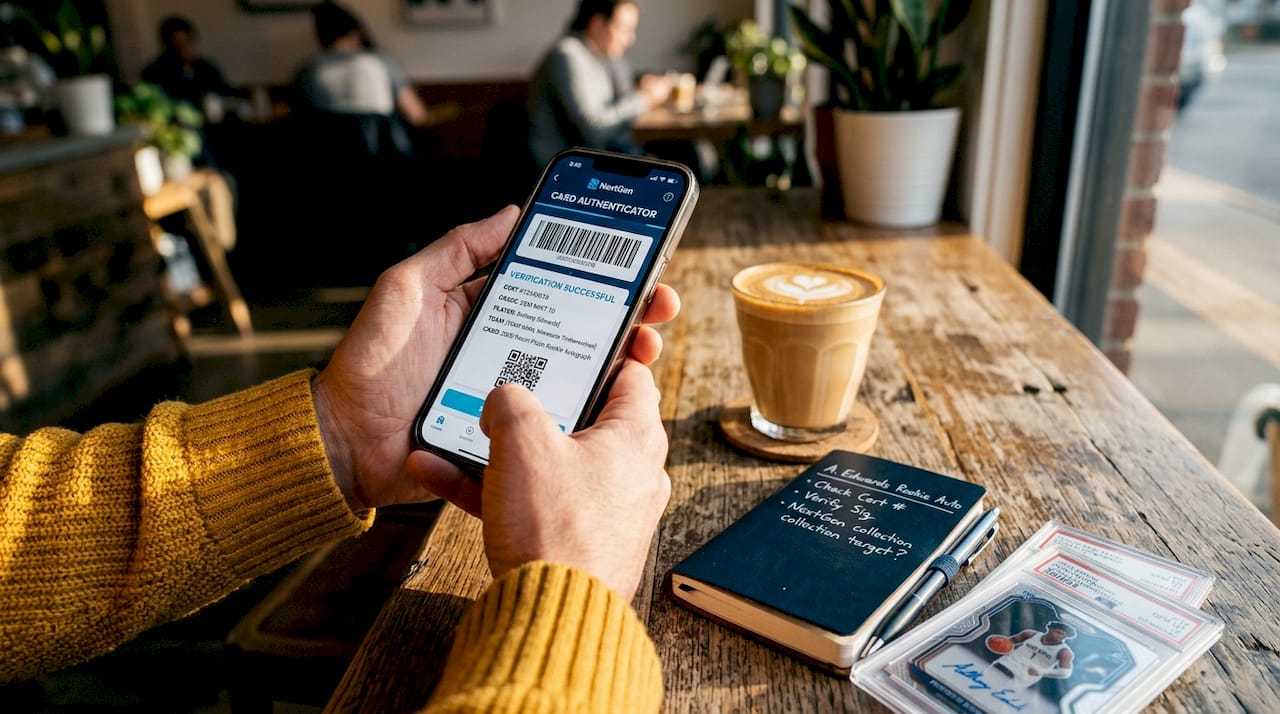
- Use mobile scanning apps as a first filter. Tools like StarSnap identify player, year, autograph type, and serial number quickly. These apps are useful for flagging listings that need closer review, but they are not a substitute for manual verification.
Pro Tip: If a certified autograph rookie card is priced 40% or more below recent comparable sales, treat that discount as a verification trigger, not a bargain. Pull the cert number, review the seller’s history, and check the population report before proceeding. Pricing anomalies are the most reliable early indicator of fraud.
Verification apps and quick scans are valuable but only a first step. Any suspicious signal, whether a price anomaly, a missing hologram, or an unresponsive seller, should prompt a full provenance review before purchase.
Where to find certified autograph rookie cards: platform comparison
Knowing where to purchase authenticated autograph cards is as important as knowing what to buy. Each buying channel carries different risk levels, pricing dynamics, and authenticity protections.
| Platform Type | Authenticity Assurance | Price Range | Key Advantage |
|---|---|---|---|
| Specialty retailers (e.g., Nextgencards) | High. Curated inventory with verified sourcing | Retail to slight premium | Exclusive and rare cards, free shipping on select items |
| eBay secondary market | Variable. Depends on seller | Wide range, often competitive | Largest selection, buyer protection program |
| Auction houses (PWCC, Heritage) | High. Professional grading required | Premium pricing | Transparent comps, serious buyer pool |
| Card shows and private sales | Low to medium. No platform protection | Negotiable | Potential bargains, direct inspection |
| Direct from grading companies | High. PSA Vault and similar services | Market rate | Full chain of custody documentation |
Specialty retailers like Nextgencards curate their inventory specifically around rookie autographs, relics, and redemption cards, which removes much of the sourcing risk that buyers face on open marketplaces. Nextgencards carries certified rookie autographs from athletes including Shohei Ohtani and Aaron Judge, alongside 2026 releases featuring prospects like Cooper Flagg and Derik Queen.
Redemption cards deserve a specific mention. When a player signs a contract with a manufacturer but the physical cards are not yet printed, the manufacturer issues a redemption card as a placeholder. Collectors who purchase a 2026 Cooper Flagg Topps redemption card, for example, will receive the finished autograph card once production is complete. Redemption cards carry the same certification guarantee as standard certified autos and often trade at a discount before the physical card ships.
Pro Tip: Cross-reference any listing against PSA’s population report before buying. A card with a population of 1 in PSA 10 commands a different price than one with 200 copies at the same grade. Population data is free and publicly accessible on the PSA website.
For collectors focused on where to find rookie cards with the strongest authenticity guarantees, starting with curated specialty retailers and established auction houses reduces risk substantially compared to open marketplace browsing.
Understanding pricing, grading, and market strategies
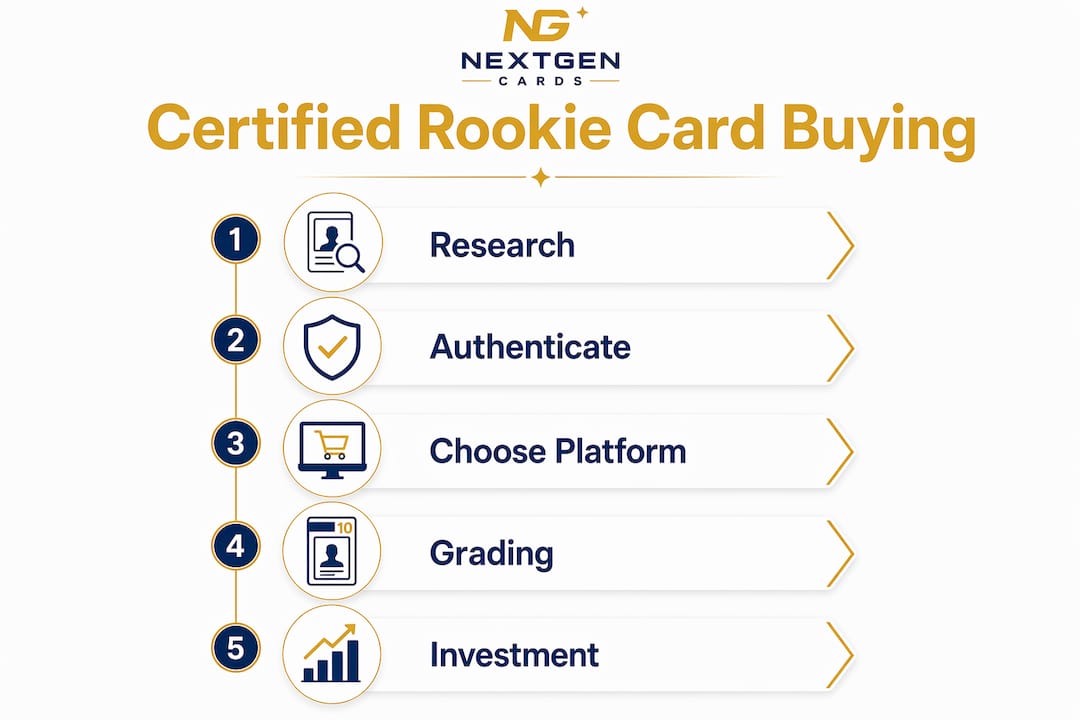
Grading and pricing interact in ways that surprise many newer collectors. PSA grading costs start at $24.99 per card for standard service and rise to $150 or more for expedited turnaround. That cost structure means grading only adds value when the card’s market price in a high grade exceeds the raw card price plus grading fees by a meaningful margin.
The table below illustrates how grading economics play out across different card tiers:
| Card Type | Raw Market Value | PSA 10 Market Value | Grading Cost | Net Gain |
|---|---|---|---|---|
| Common rookie auto (low demand) | $30 | $55 | $25+ | Minimal or negative |
| Mid-tier prospect auto | $150 | $350 | $25 | Positive |
| Elite rookie auto (top prospect) | $800 | $2,500+ | $150 | Strong positive |
| Bargain vintage rookie auto | $200 | $600 | $25 | Positive |
Certified autograph rookie cards can be affordable under $300 when collectors focus on specific players and card types. Mariano Rivera and Rickey Henderson rookie autograph cards have traded in that range, offering entry points for collectors who want certified signatures from Hall of Fame players without paying four-figure prices.
Scarcity drives pricing more than any other single factor. A card serial-numbered to 10 copies commands a premium over the same card numbered to 99, even if the player and grade are identical. Pop reports from PSA reveal how many copies of a specific card exist at each grade level. A card with a PSA 10 population of 3 is genuinely scarce. A card with a PSA 10 population of 400 is not, regardless of what the listing claims.
Declared value accuracy when submitting cards for grading is also critical. Misdeclaring a card’s value to access a lower-cost grading tier can result in unexpected fees, delays, or rejected submissions. Submit honest declared values and factor grading costs into your total acquisition price before deciding whether grading makes financial sense for a specific card.
Investment return depends on careful ROI analysis comparing raw, authenticated-only, and graded cards. A raw card with strong provenance sometimes delivers better ROI than the same card graded PSA 8, because the grading fee and the grade discount combine to reduce net return. Run the numbers before submitting.
Key takeaways
Buying certified autograph rookie cards requires authentication verification, platform selection, and grading economics analysis to protect both collection quality and investment returns.
| Point | Details |
|---|---|
| Certification is non-negotiable | Always confirm PSA/DNA cert numbers before purchasing any signed rookie card. |
| Rookie designation affects value | Official RC status, including Topps’ Call Up rules, determines resale and investment potential. |
| Platform choice reduces risk | Curated retailers and established auction houses offer stronger authenticity protections than open marketplaces. |
| Grading math must work | Only submit cards for grading when the PSA 10 premium exceeds raw price plus all grading fees. |
| Scarcity drives premium pricing | Serial number, population report, and player trajectory together determine a card’s true market ceiling. |
What I’ve learned from years of buying certified rookie autos
Richard here. My honest assessment after years of buying and advising on certified autograph rookie cards is this: the collectors who lose money are almost always the ones who skipped the verification step because the price looked right. Authentication is not a formality. With counterfeit autograph rates potentially exceeding 60% in the open market, skipping PSA/DNA verification on a raw signed card is a gamble, not a shortcut.
The second mistake I see constantly is chasing hype without understanding rookie designation rules. Topps’ Call Up designation has genuinely caught collectors off guard, with some paying rookie card premiums for cards that do not carry official RC status. Read the checklist. Confirm the designation. That single step has saved collectors significant money.
My practical advice: build your collection around players with proven trajectories and certified cards from reputable manufacturers. Patience in this hobby pays. The collectors who bought Paul Skenes and Cooper Flagg certified rookie autos early, through trusted sources with clear provenance, are positioned far better than those who rushed into unverified listings chasing a discount. Specialty retailers like Nextgencards, which curate their inventory around certified rookie autographs, remove a substantial amount of that sourcing risk. Use them.
— Richard
Find certified autograph rookie cards at Nextgencards
Nextgencards specializes in exactly the cards serious collectors and investors want: certified rookie autographs, limited edition relics, and rare redemption cards from top athletes across MLB and NBA.
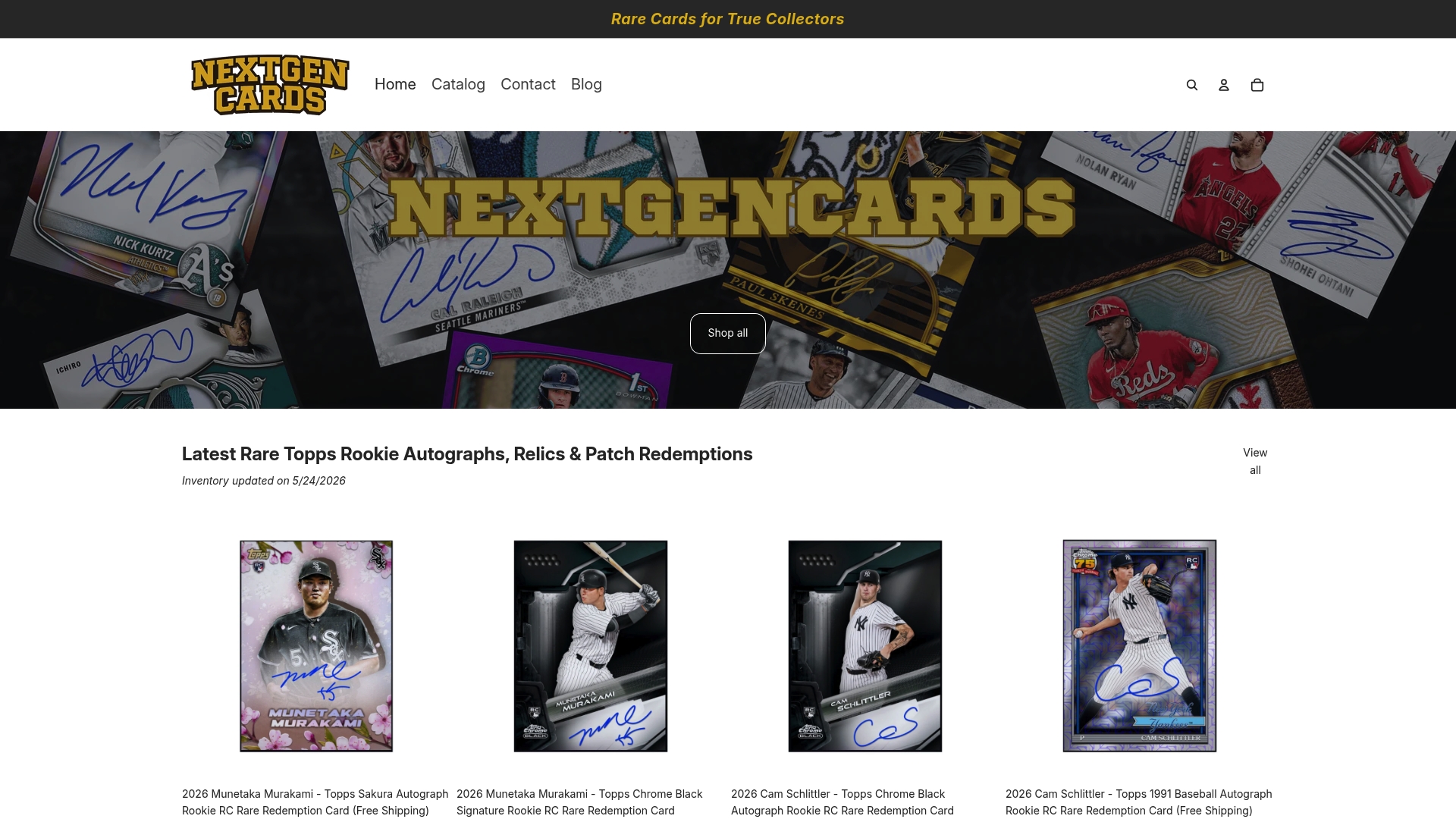
The current inventory includes 2026 certified rookie autograph cards from prospects like Cooper Flagg and Derik Queen, alongside established names like Shohei Ohtani and Aaron Judge. Every card in the Nextgencards catalog is sourced for authenticity, with free shipping available on select items. Browse the full selection of rare Topps rookie cards to find certified autograph rookie cards that match your collection goals and budget.
FAQ
What makes a rookie card “certified” for autographs?
A certified autograph rookie card carries a manufacturer-embedded hologram or a PSA/DNA authentication label confirming the signature’s legitimacy. This certification distinguishes it from raw signed cards, which carry no documented chain of authenticity.
How do I verify a genuine rookie autograph card before buying?
Enter the card’s PSA cert number directly on the PSA website to confirm grade, description, and population data. Also check the seller’s feedback history and examine listing photos for a clear hologram and properly aligned serial number.
Are certified autograph rookie cards a good investment?
They can be, but return depends on player trajectory, card scarcity, and grading economics. A 2023 Prizm Black Victor Wembanyama rookie card sold for $5.11 million, but most certified rookie autos require careful ROI analysis comparing raw versus graded card values before committing capital.
Where is the safest place to buy signed rookie cards?
Curated specialty retailers like Nextgencards, established auction houses like PWCC and Heritage Auctions, and PSA Vault all offer stronger authenticity protections than open marketplace listings from unknown sellers.
What is a redemption card and is it certified?
A redemption card is a placeholder issued by the manufacturer when the physical autograph card is not yet produced. It carries the same certification guarantee as a standard certified auto and often trades at a discount before the finished card ships.
Recommended
- Top Places to Buy Rare Rookie Cards (Collectors Guide) | NextGenCards – Next Gen Cards LLC
- 2026 Cedric Coward - Topps Flagship Rookie Autograph Rare RC Card – Next Gen Cards LLC
- 2026 Derik Queen - Topps Flagship Rookie Autograph Rare RC Card – Next Gen Cards LLC
- 2026 Derik Queen - Topps New Applicant Autograph Rookie Rare Card – Next Gen Cards LLC
0 comments