

Sports card relics are collectible cards embedded with authentic pieces of memorabilia, such as game-used jersey swatches, bat fragments, or stadium wood, creating a direct physical connection between collectors and sports history. The industry term for these cards is “memorabilia cards,” though collectors widely use “relic cards” interchangeably. The types of sports card relics range from basic fabric swatches to complex multi-material cards, and understanding each category is the fastest way to make smarter buying decisions. Game-used relics command the highest premiums due to finite supply and verified provenance. Nextgencards stocks authenticated examples across every major relic category for serious collectors.
1. What are the types of sports card relics?
Relic cards fall into three broad tiers based on material origin: game-used, player or event worn, and generic authentic material. Each tier carries a distinct price premium, with game-used sitting at the top. Knowing which tier a card belongs to before you buy protects your investment and sharpens your collection focus.
The three tiers break down as follows:
- Game-used: Items worn or used in an actual competition, such as a jersey from a World Series game or a bat used in a record-breaking at-bat.
- Player or event worn: Items worn at photo shoots, All-Star events, or promotional appearances. Authentic but not from live competition.
- Generic authentic material: Fabric or material certified as genuine but not tied to a specific player or game. These appear most often in mass-produced retail products.
Pro Tip: Always read the back of the card. Manufacturers are required to disclose the relic’s origin tier in the fine print, and that single line of text can mean a $100 difference in resale value.
2. Game-used relics: the gold standard of sports card memorabilia
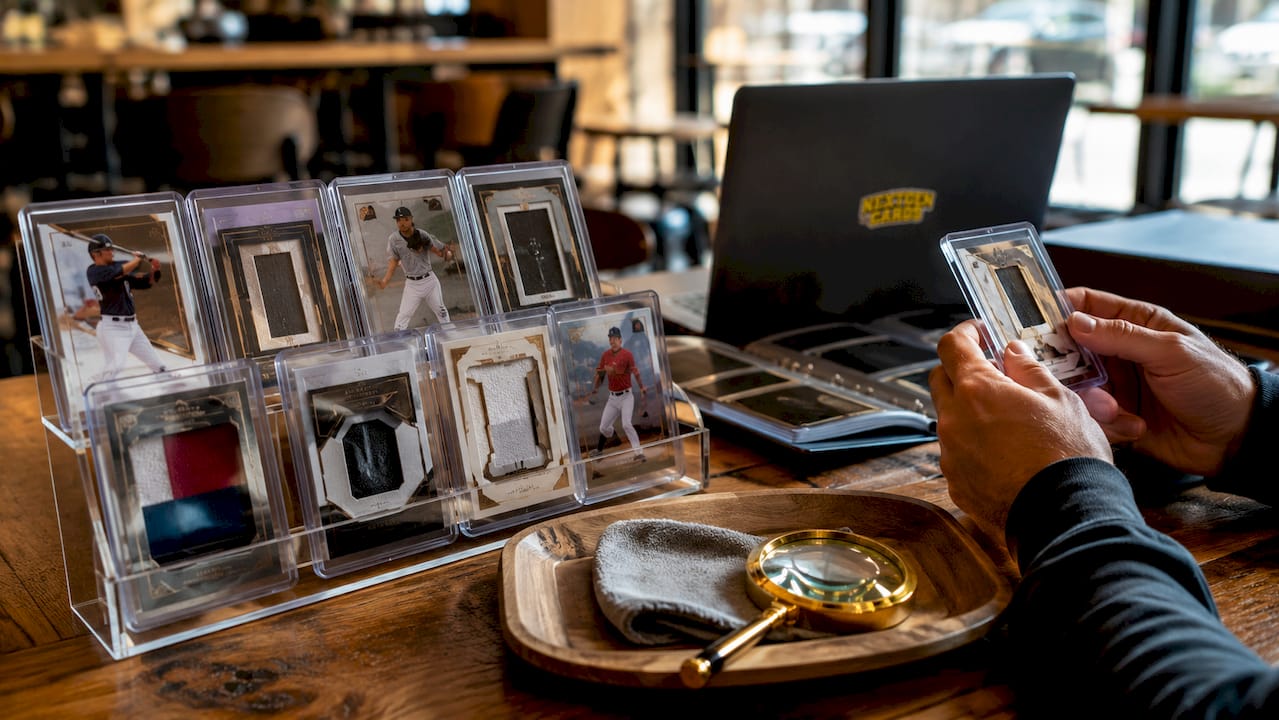
Game-used relics are the most valued category in the collector market. These cards contain materials worn or handled during actual competition, giving them a provenance that no other relic type can match. Scarcity drives the premium. Once a game-worn jersey is cut and distributed across cards, that supply is permanently fixed.
Strong examples of game-used relic cards include:
- Bat barrel pieces: Large sections cut from the barrel of a player’s actual game bat. Heavy Lumber bat relics measuring 2–3 inches sell raw for $50–$80 and grade above $200, making them one of the best-performing relic categories.
- Jersey swatches from championship games: Fabric pulled from postseason or championship uniforms carries a storytelling premium that regular-season swatches cannot replicate.
- Stadium floor segments: Wood from famous venues, such as Boston Garden floor pieces, connects collectors to historic locations rather than individual players. These carry strong emotional and historical value.
- Batting gloves and wristbands: Less common than jersey swatches, these items add variety and often appear in lower print runs.
Serious investors allocate 40% of relic budgets to Heavy Lumber bat relics because the material is visually distinctive and easy to authenticate. That allocation reflects where the market sees the strongest long-term return. If you are building a collection with investment intent, game-used bat and jersey cards from verified sets are your starting point.
Pro Tip: Check whether the card specifies the game or season the item was used in. Cards with that level of documentation consistently outperform generic game-used cards at auction.
3. Fabric swatches and patch cards: from basic jerseys to high-value patches
Fabric swatches are the most common relic type in the hobby. A standard swatch is a small piece of a player’s jersey, typically a single-color section of fabric with no distinguishing features. These are widely produced and, as a result, face downward price pressure as supply grows.
Patch cards occupy a different tier entirely. A patch is a more complex fabric piece that includes part of a team logo, player number, nameplate, or jersey lettering. The visual complexity of a patch directly affects its desirability and market value.
| Relic type | Visual complexity | Typical value range | Key driver |
|---|---|---|---|
| Single-color swatch | Low | Entry level | Volume and player name |
| Multi-color swatch | Medium | Moderate | Color combination |
| Logo patch | High | Premium | Rarity and visual appeal |
| Nameplate letter | Very high | Top tier | Scarcity and letter position |
City Connect jersey relics are a strong current example of swatches that punch above their weight class because the unique uniform designs create visually striking cards even from simple fabric cuts. Collectors who flip raw pulls above $75 within 30 days often target City Connect swatches for exactly this reason.
Generic swatches face devaluation as mass production increases supply without adding visual distinction. Patch cards with identifiable logos or numbers hold value far better over time. If you are choosing between a plain white swatch and a logo patch from the same player, the patch is the stronger long-term hold in nearly every case.
Pro Tip: For patch cards, the letter position in a nameplate matters. Rare letters like “X,” “Z,” or the first letter of a surname appear in far fewer cards and command noticeably higher prices.
4. Multi-relic cards: combining memorabilia for enhanced appeal
Multi-relic cards embed two or more distinct memorabilia pieces into a single card. Dual relics combine two materials, such as a jersey swatch and a bat piece from the same player. Triple and quad relics push further, sometimes featuring materials from multiple players on the same card.
The appeal of multi-relic cards is straightforward. More material means more storytelling and more visual interest in a single card. A dual-player relic featuring two Hall of Famers creates a collectible that neither player’s solo relic can replicate.
Four things to know before buying multi-relic cards:
- Thickness affects grading. Modern multi-relic cards are significantly thicker than standard cards due to layered materials. That thickness creates stress on card edges during packing and shipping, which can affect grades.
- Condition tolerance is higher. Collectors and grading services apply a double standard for relic condition, accepting surface imperfections that would penalize a base card. The irregular texture of embedded materials makes perfect surfaces nearly impossible.
- Multi-player relics require research. A dual relic combining a star player with a lesser-known player will trade closer to the lesser player’s value unless the pairing has a specific historical significance.
- Print runs matter more at this level. Multi-relics are often produced in lower quantities than single-relic cards, which supports long-term value. Always verify the print run before purchasing.
The hobby has evolved considerably since relic cards first appeared in 1996 as simple jersey swatches. Modern hobby boxes often guarantee three autograph or memorabilia hits per box at prices of $100–$120, making multi-relics a realistic pull for active collectors.
5. Evaluating relic cards: condition, authenticity, and provenance
Evaluating a relic card requires a different framework than evaluating a base card. The embedded material introduces variables that standard condition grading does not fully account for.
Key evaluation criteria for relic cards:
- Window inspection: The clear window covering the relic should be free of cracks, bubbles, or lifting edges. Damage to the window significantly reduces value regardless of the relic quality inside.
- Edge and corner condition: Despite the higher tolerance for surface flaws, edges and corners still matter for graded submissions. Thick cards are prone to edge wear during handling.
- Back-of-card provenance statement: The card back must clearly state the relic’s origin. Vague language like “authentic material” without specifying game-used or player-worn is a red flag.
- Database cross-referencing: Authentication beyond manufacturer claims requires cross-referencing recognized collector databases to verify the card’s checklist entry and relic description match.
The divide between genuine game-used relics and mass-produced generic material is real and growing. Collectors increasingly treat game-used pieces as historical artifacts rather than simple collectibles, which pushes prices higher for verified items and lower for unverifiable ones. Knowing how to authenticate sports memorabilia before purchasing protects both your collection and your budget.
Manufacturer errors and kit swaps do occur. A kit swap happens when a manufacturer incorrectly attributes a relic to the wrong player. Cross-referencing checklist databases and comparing the card’s back statement against known production records is the most reliable way to catch these errors before they cost you money.
Pro Tip: Physical marks on a relic, such as dirt, pine tar, or scuff marks, are features, not flaws. A visibly used piece of memorabilia carries stronger emotional and market appeal than a pristine, unidentifiable fabric cut.
Key takeaways
The most valuable types of sports card relics are game-used materials with verified provenance, because finite supply and documented history drive collector premiums above all other factors.
| Point | Details |
|---|---|
| Game-used commands top value | Bat barrels and game-worn jerseys outperform event-worn and generic relics in every market condition. |
| Patch complexity drives price | Logo patches and nameplate letters hold value far better than single-color fabric swatches. |
| Multi-relics require condition scrutiny | Thickness from layered materials stresses card edges, so inspect windows and corners carefully before buying. |
| Provenance documentation is non-negotiable | Always verify the back-of-card statement and cross-reference databases before purchasing any relic card. |
| Generic swatches face long-term devaluation | Mass-produced fabric relics without visual distinction lose value as supply grows and collector standards rise. |
What I’ve learned from years of chasing the right relics
The relic card market has gone through a genuine correction over the past several years, and I think it is one of the healthiest things to happen to the hobby. For a long time, manufacturers flooded the market with what collectors bluntly call “napkin relics.” These are generic fabric cuts with no traceable game connection, dressed up in a window and sold as memorabilia. Collectors bought them because they were affordable and looked impressive in a binder. The market eventually figured out that impressive-looking and genuinely valuable are not the same thing.
What I have seen shift is the collector mindset. Serious buyers now treat a game-used bat barrel or a verified championship jersey swatch the way a museum treats an artifact. They want documentation. They want the story. A card that can tell you which game the jersey came from, or which stadium the floor wood belonged to, carries a weight that no generic swatch can replicate. That shift in thinking has made the top tier of the relic card market stronger and the bottom tier weaker, which is exactly where it should be.
My practical advice: do not chase volume. One verified game-used patch from a player you believe in will outperform ten generic swatches every time, both in personal satisfaction and long-term value. Focus on provenance, read the card back carefully, and buy cards that have a story you can actually tell.
— Richard
Nextgencards: authentic relics for serious collectors
Collectors who know what they are looking for deserve a source that matches that standard. Nextgencards curates a selection of authenticated rookie autographs and relic cards built specifically for collectors who prioritize provenance and rarity over volume.
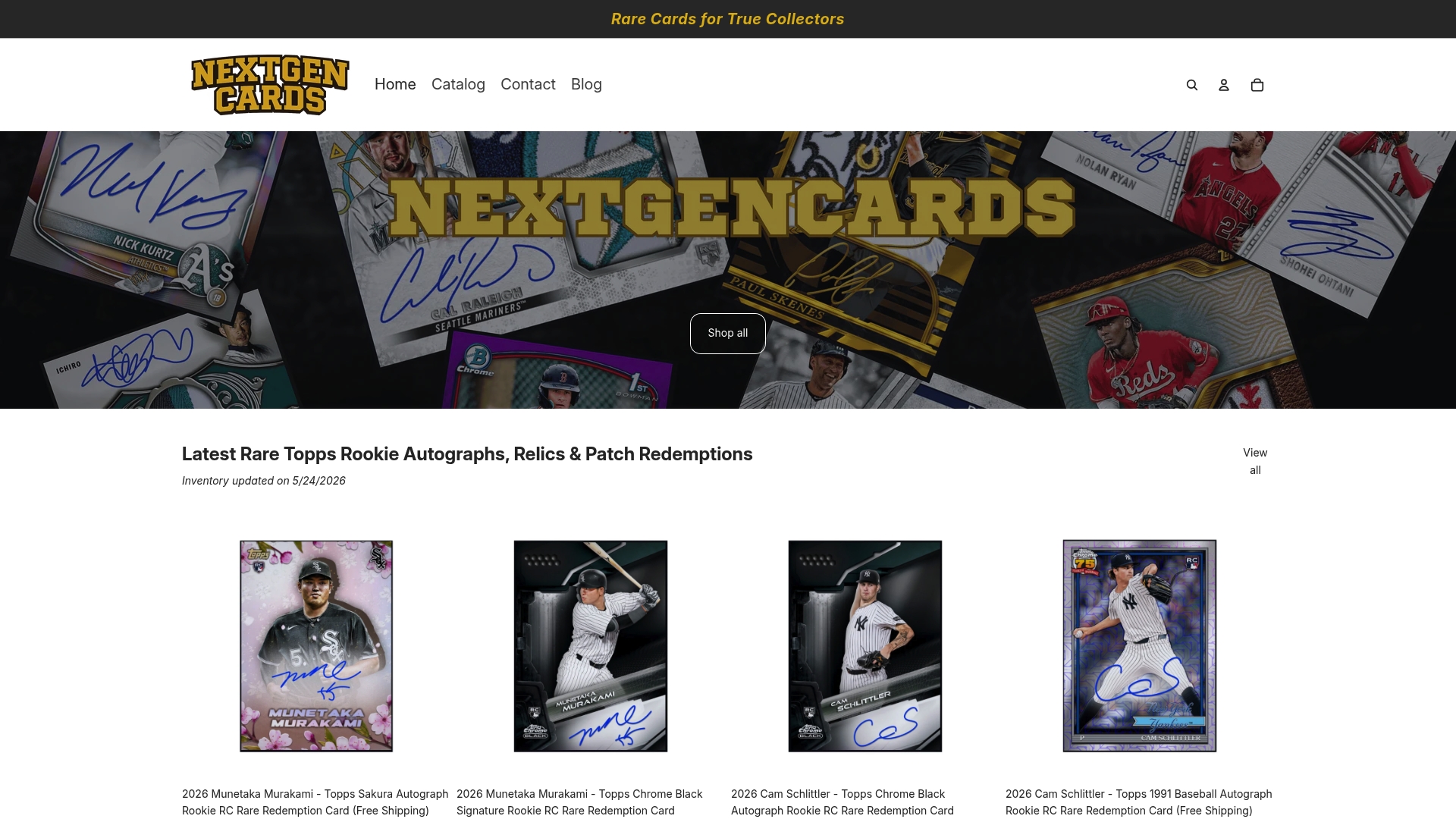
The inventory includes rookie jersey patch cards from 2026 flagship releases, such as the Derik Queen Topps Flagship Rookie Jersey Patch RC, alongside rare autograph relics from athletes like Shohei Ohtani and Aaron Judge. Free shipping is available on select items. Every card in the rookie autographs and relics collection is sourced with authenticity as the baseline standard, not an afterthought. If you are building a collection that holds value, this is where to start.
FAQ
What are relic cards in sports card collecting?
Relic cards, also called memorabilia cards, are trading cards that contain an embedded piece of authentic material such as a jersey swatch, bat fragment, or stadium wood. The material is sealed behind a clear window cut into the card.
What types of sports card relics are most valuable?
Game-used relics, particularly bat barrel pieces and logo patches, carry the highest collector premiums because their supply is finite and their provenance is verifiable. Generic fabric swatches without game-use documentation hold the least value.
How do I verify a relic card is authentic?
Read the back-of-card provenance statement carefully and cross-reference the card against recognized collector checklist databases to confirm the relic description matches production records. Manufacturer authentication alone is not always sufficient.
Do relic cards grade differently than base cards?
Grading services apply a higher condition tolerance to relic cards because embedded materials cause thickness and surface irregularities that are inherent to the product. Edge and window condition still matter significantly for final grade.
What is the difference between a patch card and a swatch card?
A swatch card contains a plain piece of fabric, typically a single color with no distinguishing features. A patch card contains a more complex fabric section that includes part of a team logo, player number, or nameplate, making it visually distinctive and more valuable.
0 comments