

Profitable rookie card flipping is defined as the practice of buying undervalued rookie sports cards at 80-85% of verified market value and reselling them at 90-95% to generate consistent returns. To flip rookie cards for profit, you need three things working together: accurate valuation using completed sales data, precise timing around player catalysts, and a clear-eyed accounting of every cost involved. This guide covers all three, with specific strategies for sourcing, pricing, and selling rookie cards in 2026’s active market.
How to flip rookie cards for profit using comps and market data
Completed sales, known in the hobby as “comps,” are the only reliable metric for true rookie card market value. Listed prices are inflated by sellers hoping to catch uninformed buyers. The number that matters is what a card actually sold for, not what someone is asking.
Platforms like Mantel and Figoca give you real-time access to verified sales history across multiple card types and player tiers. Cross-referencing both sources before any purchase is standard practice among serious flippers. A card listed at $200 with a comp history of $140 is not a deal at $160. It’s a loss waiting to happen.
The standard buy-and-sell framework used by experienced flippers is straightforward. Buy at 80-85% of recent comps to build a safety margin against price drops, and target a sell price of 90-95% of comps to move inventory quickly. This spread is narrow, which is why fees and shipping costs matter so much. A 10-15% gross margin disappears fast when you ignore the details.
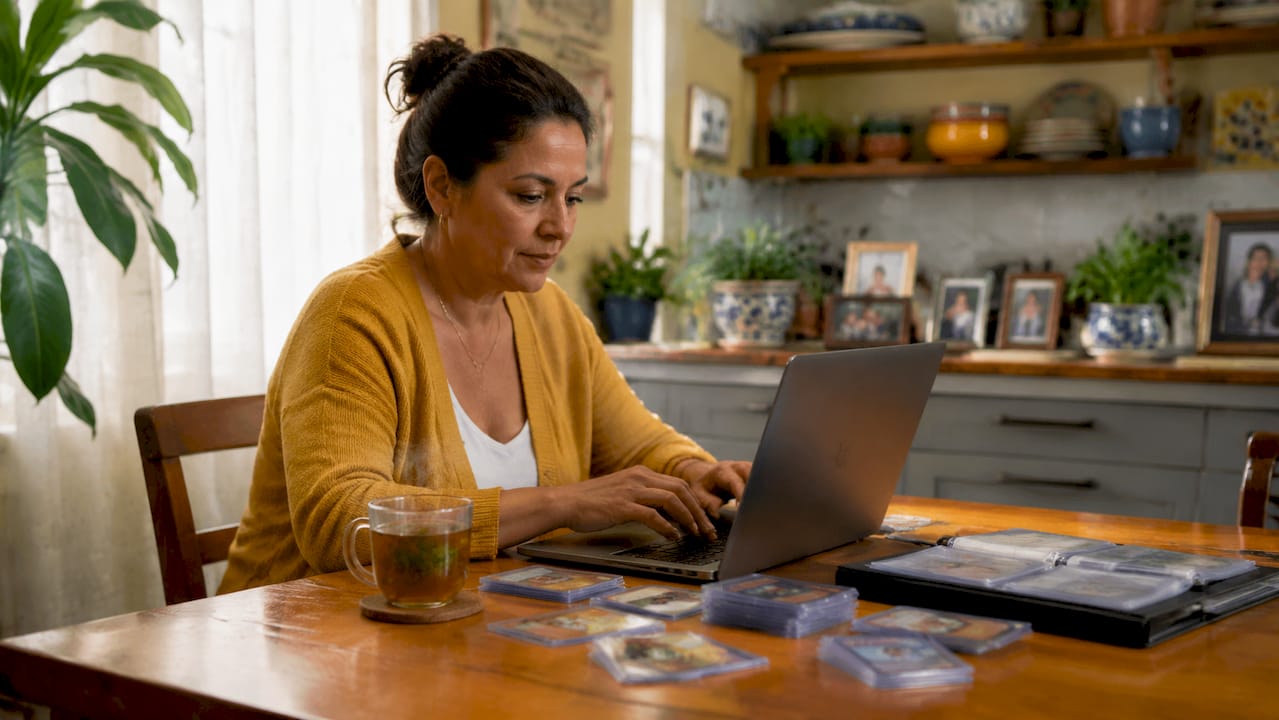
Pro Tip: Always pull comps from the last 30 days, not 90. Rookie card values shift quickly around player news, and older sales data can mislead you into overpaying.
| Comp Range | Buy Price Target | Sell Price Target | Expected Margin |
|---|---|---|---|
| $50 comp | $40-$42 | $45-$47 | $3-$7 gross |
| $100 comp | $80-$85 | $90-$95 | $5-$15 gross |
| $250 comp | $200-$212 | $225-$237 | $13-$37 gross |
| $500 comp | $400-$425 | $450-$475 | $25-$75 gross |
Adjusting for market volatility is equally important. A rookie card for a player in the middle of a hot streak will have comps that are rising fast. Buying at 85% of a peak comp during a hype cycle can still mean overpaying if the market corrects within a week. Liquidity matters too. A card with five sales in the last 30 days is far easier to exit than one with a single sale six weeks ago.
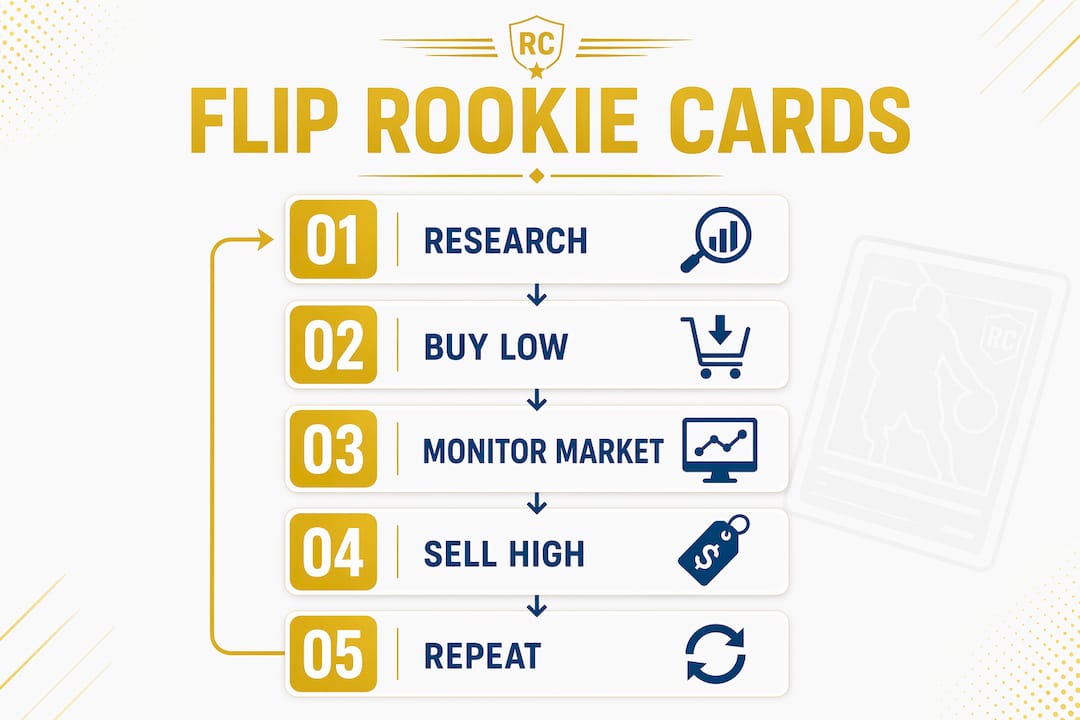
When should you buy rookie cards to maximize price spikes?
Timing is where disciplined flippers separate themselves from casual collectors. Post-debut price spikes of 30-50% are common within days or weeks of a major player performance or award announcement. The window to profit from these moves is short and volatile.
The most reliable catalysts for rookie card price jumps include:
- MLB, NBA, or NFL debut performances that exceed expectations, particularly for top prospects already on collector radar.
- Award announcements such as Rookie of the Year nominations, All-Star selections, or MVP voting appearances.
- Breakout statistical milestones, like a pitcher’s first no-hitter or a quarterback’s first 300-yard game.
- Trade news or team changes that increase a player’s visibility or role.
- Graded population drops, where PSA or BGS reports show fewer high-grade copies than the market assumed.
Acting on these catalysts requires preparation, not reaction. Set a maximum pre-bid ceiling before any auction ends. Staged bids reduce risk during volatile post-debut periods by preventing emotional overbidding when competition heats up. If a card crosses your ceiling, let it go. Another opportunity will appear.
Grading decisions also intersect with timing. Selling raw cards during a rapid market move often captures peak demand more effectively than waiting 60 to 90 days for a graded slab to return. PSA and BGS turnaround times vary, and a card graded during a hype peak may return after the market has already corrected. Serial-numbered parallels, such as /25 or /10 cards, carry scarcity premiums that hold value better through corrections than base rookies. They are worth holding for grading if the player’s long-term outlook is strong.
Pro Tip: Monitor grading population reports alongside sales velocity. If PSA suddenly shows 40 new PSA 10 copies of a card you own, supply saturation will pressure prices faster than you expect.
What are the real costs of flipping rookie cards?
Most beginners calculate profit as “sell price minus buy price.” That formula is incomplete. True ROI must include all fees, shipping costs, payment processing charges, grading fees, and the opportunity cost of capital sitting in a card during a long hold.
Here is a realistic cost breakdown for a typical flip:
- Auction platform fees: eBay charges approximately 12-15% of the final sale price for sports cards, depending on your seller tier and any promotional listings.
- Payment processing: PayPal and similar processors typically add 2-3% on top of platform fees.
- Shipping and materials: Bubble mailers, top loaders, and tracked shipping commonly run $4-$8 per transaction.
- Grading fees: PSA’s standard service tier runs $25-$50 per card, with turnaround times ranging from weeks to months depending on the service level.
- Opportunity cost: Capital locked in a card that takes 90 days to sell is capital not available for faster, more profitable flips.
Grading raw cards only adds value when the expected price increase exceeds all grading and holding costs combined. A card worth $80 raw that grades PSA 10 and sells for $120 looks like a $40 gain. After a $30 grading fee, $6 in shipping, and $15 in platform fees, the actual profit is under $10. That same $80 could have been deployed in two faster raw card flips during the same period.
Avoid the trap of illiquid one-of-ones. A 1/1 superfractor from a mid-tier prospect may look like a trophy, but finding a buyer at full value can take months. Consistent flippers prioritize volume and speed over trophy cards. The rare exception, like the 300% profit superfractor flip that made headlines, is exactly that: an exception, not a repeatable strategy.
What are the best platforms for buying and selling rookie cards?
Sourcing and selling on the right platforms determines how fast you turn inventory and how much margin you keep. Each platform has distinct advantages depending on your card type and price point.
| Platform | Best For | Key Advantage | Main Drawback |
|---|---|---|---|
| eBay | All price ranges | Largest buyer pool | High fees (12-15%) |
| Whatnot | Live auction flips | Fast price discovery | Requires audience building |
| Card shows | Bulk buying, raw deals | No platform fees, cash deals | Time and travel investment |
| Mantel | Premium graded cards | Collector-focused buyers | Smaller volume |
Buying lots and bundles at card shows or through private sales is one of the most underused strategies in rookie card flipping. Breaking up lots can yield 30-70% markups when individual cards are priced correctly against current comps. A lot of 20 rookie parallels purchased for $150 may contain three cards worth $30-$40 each and 17 cards worth $3-$5 each. The math works in your favor.
For selling, timing your eBay listings matters. Cards listed on Sunday evenings between 7-10 PM Eastern consistently attract more bidders than midweek listings. Whatnot works best for flippers who have built a following and can create urgency around live auctions. For buying rare rookie cards, specialized marketplaces and curated retailers like Nextgencards offer authenticated inventory that reduces the risk of purchasing fakes or misrepresented cards.
Cash deals at card shows eliminate platform fees entirely. A card you would net $85 on after eBay fees can net $95-$100 in a face-to-face transaction. That 10-15% difference compounds significantly across dozens of flips per month.
Common mistakes that kill rookie card flipping profits
Consistent profitability comes from avoiding predictable errors, not from finding perfect cards. The most costly mistakes are behavioral, not informational.
- Chasing hype without verifying comps: Buying a card because social media says it’s hot, without checking actual sold prices, is the fastest way to overpay. Always verify against multiple comp sources before committing.
- Ignoring hold time: A card that takes 90 days to sell at a 20% margin is a worse investment than a card that sells in 7 days at 10%. Velocity matters as much as margin.
- Overgrading raw cards: Submitting a card you think is a PSA 10 that returns a PSA 8 can turn a profitable flip into a loss after fees.
- Refusing to cut losses: Holding a card that has dropped in value because you “know it will come back” ties up capital and compounds losses. Set a stop-loss threshold and honor it.
Keeping a flip journal is the single most underrated habit in this hobby. Documenting your buy price, comp at purchase, hold time, sell price, and the catalyst that drove the sale reveals patterns you cannot see in your head. Over time, you will identify which player types, card formats, and platforms generate your best returns. That data is your personal edge.
Pro Tip: Focus on modern rookie parallels numbered /99 or /199 for consistent turnover. They carry enough scarcity to hold value but enough supply to find buyers quickly, which is the ideal combination for repeatable flipping.
Key takeaways
Profitable rookie card flipping requires disciplined buying at 80-85% of verified comps, precise timing around player catalysts, and full-cost ROI accounting that includes fees, shipping, and grading expenses.
| Point | Details |
|---|---|
| Use comps, not list prices | Buy and sell decisions must be based on verified completed sales, not inflated asking prices. |
| Apply the 80-85% buy rule | Purchasing at 80-85% of recent comps creates the margin needed to absorb fees and still profit. |
| Time catalysts carefully | Post-debut spikes of 30-50% are real but short-lived; set pre-bid ceilings before auctions start. |
| Account for all costs | Platform fees, shipping, grading, and hold time can erase apparent profits if ignored. |
| Prioritize liquid inventory | Modern parallels and base rookies with active sales histories flip faster and more reliably than rare one-of-ones. |
What I’ve learned from years of flipping rookie cards
The biggest mistake I made early on was treating every flip like a lottery ticket. I chased rare superfractors and 1/1 cards because the upside looked incredible on paper. What I actually got was capital locked up for months, waiting for the right buyer at the right price. The repeatable process matters far more than the occasional spectacular score.
The flip journal changed everything for me. Once I started tracking every transaction, including the ones I lost money on, I realized I was consistently profitable on modern Topps Chrome parallels and consistently breaking even or losing on vintage raw cards I couldn’t accurately grade myself. That data told me where to focus.
Patience in buying is harder than it sounds. When a player has a great debut and prices spike 40% overnight, the instinct is to buy immediately. The disciplined move is to wait 48 to 72 hours for the initial excitement to fade, then buy at a more rational price. You will miss some runs. You will also avoid a lot of painful corrections.
Start small. Reinvest profits before scaling. The collectors and flippers who build real income from this hobby treat it as a business, not a pastime. That mindset shift, more than any single strategy, is what separates consistent earners from people who break even and quit.
— Richard
Build your flipping portfolio with Nextgencards
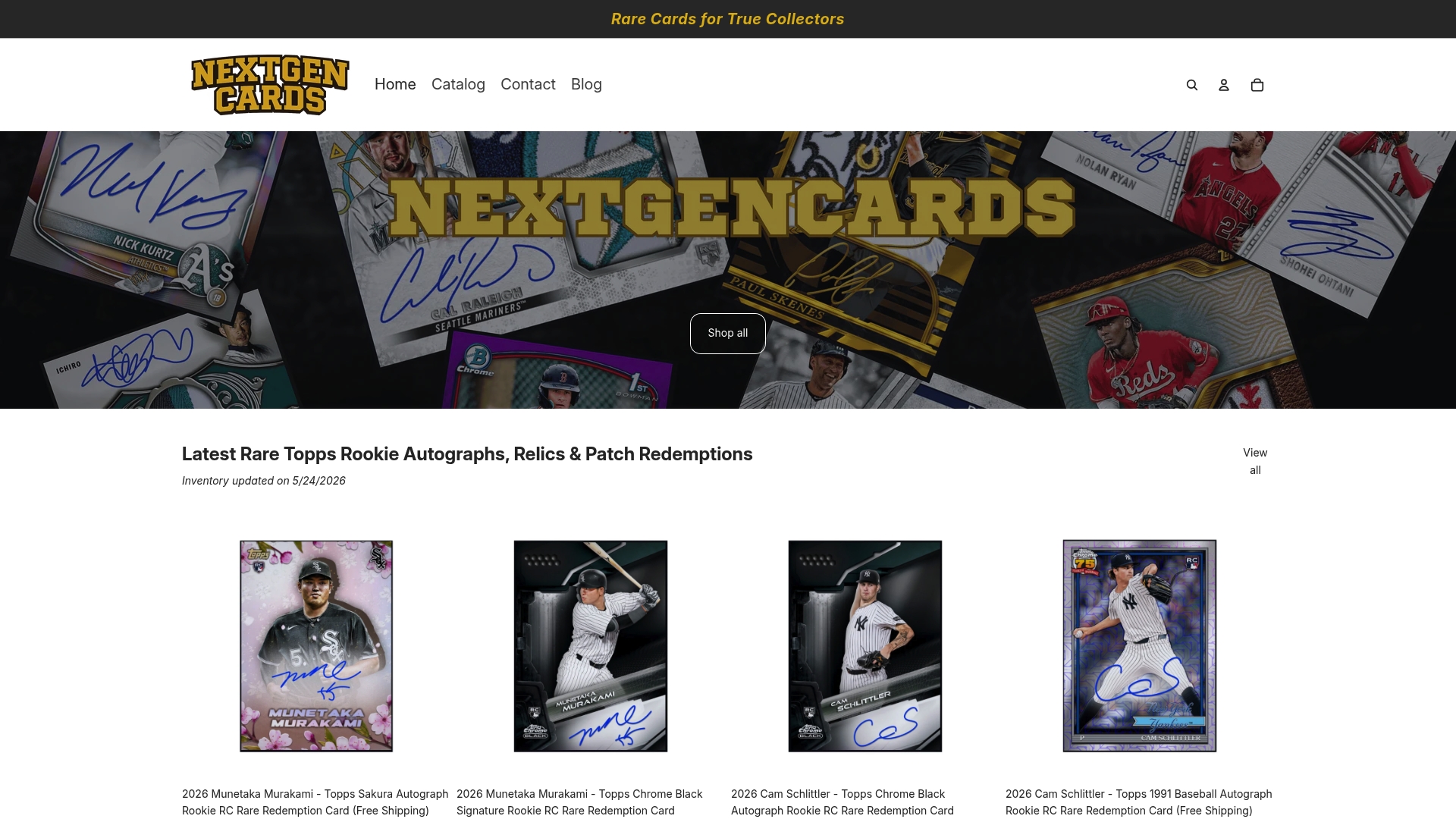
Nextgencards carries a curated selection of rare rookie autographs and relics from athletes like Shohei Ohtani and Aaron Judge, authenticated and ready for serious collectors and flippers. The inventory is updated regularly with 2026 rookies and trending cards, so you are not sifting through stale listings. Free shipping on select items reduces your acquisition cost, which directly improves your flip margin. If you are looking to source high-demand rookie cards with verified authenticity and competitive pricing, Nextgencards is a reliable starting point. Browse the full rookie card catalog to find your next flip.
FAQ
What does it mean to flip rookie cards for profit?
Flipping rookie cards for profit means buying rookie sports cards below current market value and reselling them at a higher price, typically targeting a buy price of 80-85% of recent completed sales and a sell price of 90-95%.
How do I find the real value of a rookie card?
Use completed sales data from platforms like Mantel or Figoca rather than listed prices. Verified sold prices from the last 30 days are the most accurate indicator of what a card will actually sell for.
Is grading rookie cards worth it for flipping?
Grading is worth it only when the expected price increase exceeds the grading fee, shipping, and the opportunity cost of the holding period. For fast flips during price spikes, selling raw often captures more profit than waiting for a graded return.
What platforms are best for selling trading cards online?
eBay offers the largest buyer pool for most price ranges, while Whatnot suits live auction formats and Mantel targets premium graded card buyers. Card shows remain the best option for fee-free cash transactions on bulk purchases.
How much money do I need to start flipping rookie cards?
You can start with as little as $50 to $100 by focusing on lower-priced modern parallels with active sales histories. Reinvesting profits before scaling is the standard approach for building a sustainable flipping operation without overexposing capital early.
Recommended
- Top Places to Buy Rare Rookie Cards (Collectors Guide) | NextGenCards – Next Gen Cards LLC
- How to Identify Undervalued Sports Cards in 2026 – Next Gen Cards LLC
- Why Rookie Year Cards Matter for Serious Collectors – Next Gen Cards LLC
- Buy Certified Autograph Rookie Cards: 2026 Collector’s Guide – Next Gen Cards LLC
0 comments