

Serial-numbered basketball cards are defined by a printed production limit stamped directly on the card face, making them the primary standard for measuring rarity in the hobby. Rare numbered basketball card categories range from Limited editions at /999 down to the coveted One-of-One at 1/1, with each tier carrying distinct collector demand and market value. Understanding these tiers is the foundation of smart collecting, whether you’re chasing a rookie autograph, a patch relic, or a limited edition parallel from the latest 2025-26 release.
1. What do serial numbers on basketball cards mean?
A serial number on a basketball card reads as “X/Y,” where X is the card’s individual copy number and Y is the total print run. A card stamped 23/99 is the 23rd copy produced out of 99 total. That format is the industry standard for communicating scarcity at a glance.
Print run size directly determines rarity tier. Cards numbered /999 to /299 are classified as Limited. Cards at /99 to /50 fall into the Scarce tier. The lower the denominator, the fewer copies exist, and the more collectors compete for each one. A card numbered /10 is not just “rarer” than one numbered /99. It is roughly ten times harder to find on the open market.
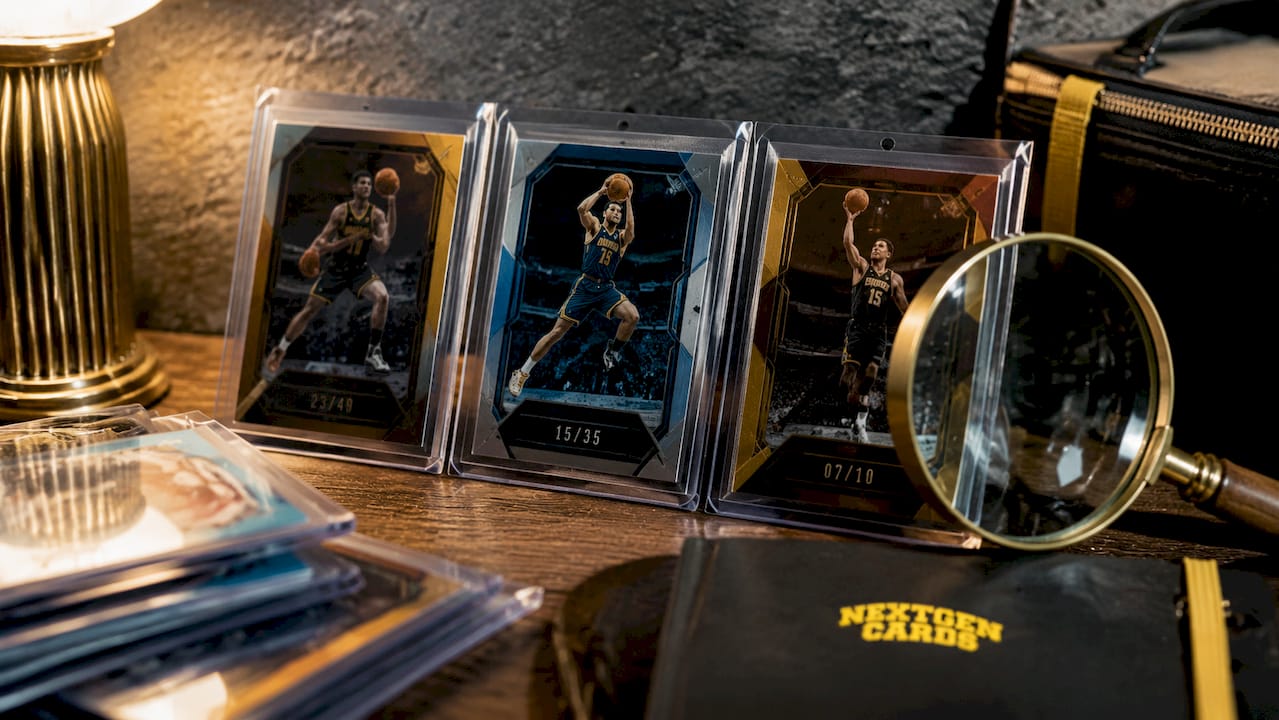
Not every serial number tells the full story, though. Bookend numbers like 001/100 or 100/100 command auction premiums regardless of the total print run. A card numbered 23/99 for a player who wears jersey number 23 carries the same kind of collector premium. These special cases add a layer of value that raw print run math alone cannot capture.
Pro Tip: When evaluating a numbered card, check whether the copy number matches the player’s jersey number or falls on a bookend. Those details can meaningfully increase resale value at auction.
2. Rare numbered basketball card categories every collector should know
Serial-numbered cards follow a defined rarity ladder that most manufacturers and collectors recognize. Here is how the tiers break down, from most accessible to most scarce:
- Limited (/999 to /299): The entry point for numbered parallels. These cards are collectible but widely available. Silver parallels at /99 often sit at the top of this range in modern sets.
- Scarce (/99 to /50): Production drops sharply here. Red (/75), Green (/65), and Fuchsia (/55) parallels in 2025-26 sets typically land in this tier.
- Very Scarce (/49 to /25): Blue (/49), Purple (/35), and Cracked Ice (/25) parallels represent this tier. These cards move fast on secondary markets.
- Extremely Rare (/10 and lower): Gold (/10) and similar parallels fall here. Single-digit print runs make these cards genuinely hard to acquire.
- Elite (/5): Pandora (/5) and Gold Glitter (/3) parallels occupy this tier. Finding one for a specific player requires patience and a strong network.
- One-of-One (1/1): Platinum parallels and true 1/1 cards are the pinnacle. Only one copy exists in the world.
| Rarity Tier | Print Run | Common Parallel Colors |
|---|---|---|
| Limited | /999 to /299 | Silver, Bronze |
| Scarce | /99 to /50 | Red, Green, Fuchsia |
| Very Scarce | /49 to /25 | Blue, Purple, Cracked Ice |
| Extremely Rare | /10 and lower | Gold, Black |
| Elite | /5 to /3 | Pandora, Gold Glitter |
| One-of-One | 1/1 | Platinum |
Rookie cards frequently appear across all these tiers. A rookie autograph numbered /99 is already a Scarce card. The same autograph numbered 1/1 becomes one of the most sought-after cards in the entire hobby. The combination of rookie status and low print run creates the strongest demand in the market.
Pro Tip: Focus your rookie card targets on the /49 and lower tiers. Cards in the Very Scarce to One-of-One range hold value better over time because supply is genuinely constrained.
3. How event-exclusive releases shape ultra-rare numbered cards
Event-exclusive releases create a separate category of scarcity that goes beyond standard set production. These drops are tied to specific events, available only to attendees or app-based reservation holders, and produced in quantities far smaller than retail sets.
The 2025-26 Topps Chrome Cactus Jack Basketball X NBA All-Star Game release is the clearest recent example. The set featured a 100-card base set, with numbered parallels at /50 or fewer and autograph parallels at /25 or less. Boxes were priced around $700 each and sold exclusively at NBA All-Star Weekend through app-based reservations. That combination of event exclusivity, low print runs, and high price point signals genuine scarcity before a single card hits the secondary market.
Key features that define event-exclusive numbered cards:
- Restricted distribution: Cards are only available at the event or through a controlled reservation system, limiting who can even attempt to acquire them.
- Ultra-low autograph numbering: Autograph parallels at /25 or less are standard for these drops, placing them firmly in the Very Scarce to Extremely Rare tiers.
- Immediate secondary market premium: Because supply is capped at the event level, prices on resale platforms spike within hours of the drop.
- Unique inserts: Sets like Cactus Jack include exclusive inserts such as “Sicko Stars” that have no retail equivalent, adding another layer of collectibility.
Marketplace demand for these event-exclusive cards is driven by the combination of low print runs and cultural cachet. Collectors who miss the reservation window often pay two to three times the original box price on the secondary market.
4. Why serial numbering alone doesn’t guarantee card value
Serial numbering is the most visible rarity signal in the hobby, but it is not the only one. Collectors who rely solely on print run numbers miss a significant portion of the market.
The distinction between true scarcity and perceived scarcity is critical. True scarcity means a card has a printed serial number confirming its production limit. Perceived scarcity applies to Short Prints (SPs) and Super Short Prints (SSPs), which have no serial number but are produced in quantities so small they rival or beat many numbered parallels. Some SSPs are rarer than cards numbered /50, yet they carry no stamp to signal that fact.
Hidden rarities like case hits and Zebra or Downtown parallels often have lower actual production runs than their numbered counterparts. Consulting official checklists like Beckett is the only reliable way to verify true production numbers for these cards.
Player legacy is the other major variable. A 1/1 of a lesser-known player often holds less long-term value than a /99 card of a superstar. The collector community’s advice is direct: buy the player first, rarity second. A LeBron James Exquisite Collection card numbered /99 and graded BGS 9 sold for $5.8 million in 2022. That result reflects player legacy amplifying rarity, not rarity alone.
Card condition adds a third layer. Condition-sensitive cards with low high-grade populations show dramatic price gaps between raw and graded copies. A card graded BGS 9 or PSA 10 can command three to five times the price of the same card in raw condition.
5. Collecting tips for identifying and acquiring rare numbered cards
Identifying a genuinely rare numbered card starts with reading the card itself. The serial number is printed on the front or back, usually in foil or ink. Base cards have no serial number. Any card with a printed “X/Y” stamp is a numbered parallel and belongs to one of the rarity tiers above.
Practical steps for acquiring rare numbered rookie and limited-edition cards:
- Check the checklist first: Official set checklists from Beckett or the manufacturer confirm exact print runs and parallel structures before you bid or buy.
- Prioritize /49 and lower for rookies: Cards in the Very Scarce tier and below hold value better as the player’s career develops.
- Watch for bookend and jersey-matched numbers: Special serial numbers like 001/100 or a player’s jersey number within the print run consistently attract auction premiums.
- Set a grading threshold: Cards graded PSA 9 or higher, or BGS 9 and above, carry significantly stronger resale value. Raw cards of the same print run trade at a steep discount.
- Use authenticated sources: Licensed hobby shops, reputable online platforms, and curated specialty retailers reduce the risk of counterfeits. For sourcing rare rookie cards safely, specialist guides provide structured advice on authentication and pricing.
Pro Tip: For event-exclusive drops like Cactus Jack, register for the reservation system before the event date. Waitlist spots fill within minutes of the announcement, and secondary market prices climb fast after the drop closes.
The secondary market rewards collectors who do their research. Knowing the difference between a /99 Silver parallel and a /25 Cracked Ice parallel before you buy prevents overpaying for cards that look similar but sit in very different rarity tiers.
Key takeaways
Rare numbered basketball card categories are defined by serial number print runs, but player legacy and card condition determine whether that rarity translates into lasting value.
| Point | Details |
|---|---|
| Rarity tiers are standardized | Serial numbers from /999 to 1/1 define six recognized rarity tiers used across the hobby. |
| Player legacy drives value | A /99 card of a superstar consistently outperforms a 1/1 of a lesser-known player at auction. |
| Hidden rarities exist | SPs and SSPs can be rarer than numbered cards; always verify with official checklists. |
| Condition multiplies value | Graded copies at PSA 10 or BGS 9 can sell for three to five times the raw card price. |
| Special numbers carry premiums | Bookend and jersey-matched serial numbers attract auction premiums beyond the base print run value. |
My take on where rare numbered card collecting is heading
The hobby has gotten more sophisticated, and that is a good thing for serious collectors. When I look at the current market, the collectors who consistently build strong portfolios are the ones who treat serial numbers as a starting point, not a final answer. Print run is a fact. Value is a judgment call.
The event-exclusive model, typified by releases like Cactus Jack, is reshaping what “rare” means in real time. A card numbered /25 from a $700 event-only box carries a different kind of scarcity than a /25 from a retail set. Both are Very Scarce by definition, but the acquisition story and cultural context are completely different. Collectors who understand that distinction have a real edge.
What I keep coming back to is player legacy. The 1969 Kareem tall boy and the LeBron Exquisite Collection are not valuable because of their print runs alone. They are valuable because the players on them are generational. Chasing low numbers on players without that kind of ceiling is a trap I have seen collectors fall into repeatedly.
My advice: build your collection around players you believe in, then use rarity tiers to prioritize which cards of those players are worth pursuing. Condition matters more than most new collectors realize. A raw /10 card and a graded /10 card are not the same asset. Treat them accordingly.
— Richard
Rare rookie autographs and relics at Nextgencards
Collectors who know their rarity tiers are ready to act when the right card appears. Nextgencards carries a curated selection of authenticated rookie autographs and relic cards spanning the Scarce to Extremely Rare tiers, with options from current and recent NBA draft classes.
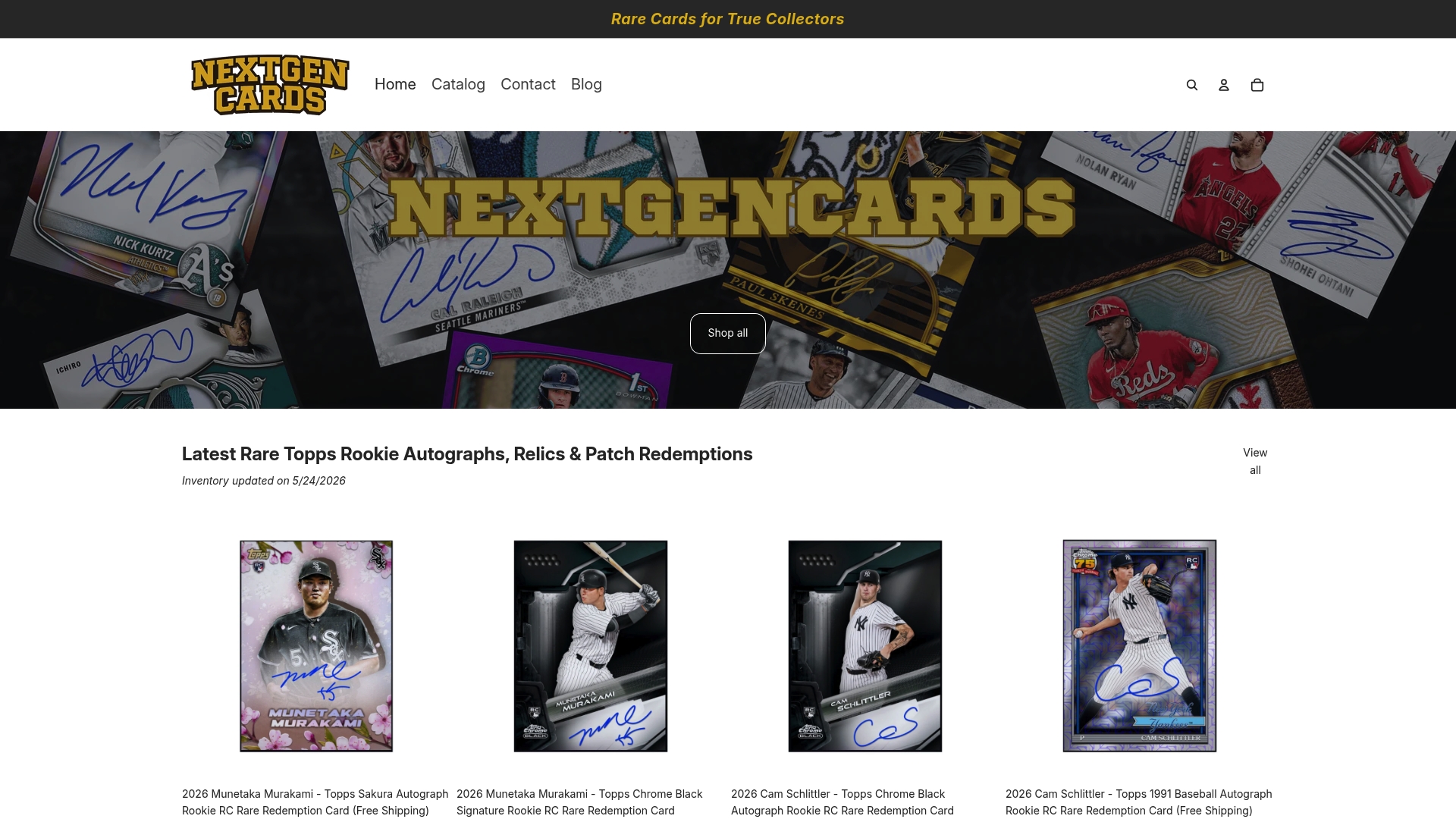
Free shipping is available on select items, making it easier to add high-value numbered cards without extra cost eating into your budget. Every card in the inventory is authenticated, so you are buying with confidence rather than guessing at provenance. If you are building a collection around numbered rookie cards, browsing the Nextgencards catalog is a practical next step. The inventory is updated regularly to reflect new releases and authenticated acquisitions.
FAQ
What does a serial number on a basketball card mean?
A serial number printed as “X/Y” on a card means it is the Xth copy out of Y total produced. Lower Y values indicate greater scarcity and higher collector demand.
What is the rarest numbered basketball card category?
The One-of-One (1/1) is the rarest category, with only a single copy in existence. Platinum parallels and true 1/1 patch autographs fall into this tier.
Are short print cards rarer than numbered cards?
Some Super Short Prints (SSPs) have lower actual production runs than cards numbered /50 or higher, despite carrying no serial number. Consulting official checklists like Beckett is the only way to confirm true scarcity for unnumbered cards.
Why do bookend serial numbers sell for more?
Bookend numbers like 001/100 or 100/100 are considered more desirable by collectors, driving auction premiums beyond what the total print run alone would suggest.
Does card grading affect the value of rare numbered cards?
Card grading significantly affects value. Top grades like PSA 10 or BGS 9 can increase a card’s price three to five times compared to the same card in raw, ungraded condition.
Recommended
- NBA Rookie Class Card Explained: 2026 Collector’s Guide – Next Gen Cards LLC
- Rarest Rookie Card Variations: Collector’s 2026 Guide – Next Gen Cards LLC
- Most Valuable Sports Card Inserts: Collector’s 2026 Guide – Next Gen Cards LLC
- Examples of Appreciating Rookie Cards: 2026 Collector Guide – Next Gen Cards LLC
0 comments