

An NFL Shield card is a trading card built around the actual shield patch cut from a player’s game jersey collar, and because each jersey carries only one patch, the card is functionally a one-of-one. That scarcity, combined with an autograph on many examples, pushes prices into the thousands and sometimes far beyond at auction. Collectors track current values through sold listings on eBay and specialist databases like SportsCardsPro.
TL;DR:
- Autographed shield cards from top-tier players, especially in premium sets like National Treasures, can fetch multimillion-dollar prices and are the rarest in the hobby.
- Each NFL jersey has only one collar shield, making true shield relics essentially one-of-a-kind, with prices heavily influenced by player fame and set branding.
- Verified sales data from eBay, auction house archives, and specialist databases are necessary to accurately gauge current market value for these cards.
- Grading from PSA, BGS, or SGC significantly impacts value by confirming authenticity and rarity, especially for high-grade, population-rare examples.
- Authenticity verification involves high-resolution scans, serial number checks, and caution against suspiciously low prices for well-known players.
Table of Contents
- What Makes an NFL Shield Card So Rare?
- Why Do Collectors Prize Shield Cards So Highly?
- How Do You Check Current NFL Shield Card Prices?
- How Can You Verify a Shield Card Is Authentic?
- What’s the Smartest Way to Collect Shield Cards?
- Why Nextgencards Is a Smart Stop for Serious Collectors
- A Collector’s Take on Chasing Shield Cards
- Featured Rare Cards Worth Adding to Your Collection
- Sources
- FAQ
What Makes an NFL Shield Card So Rare?
Every NFL jersey has one collar shield, stitched onto the back of the neck to display the league logo. When a manufacturer secures a game-worn jersey for memorabilia cards, that single patch gets cut into small relic windows and mounted onto cards. One jersey yields only a handful of shield pieces, and often just one card carries a piece large enough to be called a true shield relic. That is the entire mechanism behind the 1-of-1 designation: physical supply, not marketing.
Card backs typically state print run details like “1/1” directly on the card, along with language noting the relic is game-used or player-worn. Buyers should read that fine print carefully, since wording varies by manufacturer and affects how the piece is described on resale.
A few variants matter for collectors sorting through listings:
- Autographed shield cards pair the patch with a certified signature, pushing value well above a patch-only version.
- Non-autographed shield relics still carry 1-of-1 status but sell for less without the signature premium.
- Gold shield patches, a variant tied to a new NFL award-winner patch introduced in 2025, have already started showing up in premium card lines as a distinct chase category.
Why Do Collectors Prize Shield Cards So Highly?
Hobby writers describe Shield cards as an “RPA on steroids,” shorthand for a rookie patch autograph pushed to its rarest possible form. A standard RPA might have a print run of 25 or 99 copies. A shield card has exactly one, and when that one copy also carries an on-card autograph, it stacks three value drivers most relics never combine at once.
Two factors swing price more than anything else:
- Player status. A shield card from an established superstar in his prime commands far more than the same relic type from a role player, and rookie-year shields from a franchise quarterback or generational talent sit at the top of the market.
- Set brand. Ultra-premium lines like National Treasures consistently produce the highest realized prices for shield inserts compared to mid-tier products carrying similar relic concepts.
Statistic Callout: High-profile shield sales, including a widely reported National Treasures example tied to a top-tier quarterback, have reached multimillion-dollar territory in hobby reporting, showing just how far a single card can travel when player demand and scarcity align.
Value on any individual shield card still depends heavily on player demand outpacing the shield element itself, so treat player status as the first filter before rarity claims.
How Do You Check Current NFL Shield Card Prices?
Pricing a 1-of-1 is harder than pricing a mass-produced rookie card, since there’s no large sales sample to average. Realized sales, not asking prices, are what determine actual market value.
- Start with sold listings on eBay, filtering for “sold” rather than “active” to see what buyers actually paid, not what sellers hope to get.
- Cross-reference specialist databases like SportsCardsPro’s National Treasures Shield tracker, which aggregates realized sales and builds price history over time.
- Check auction house archives for past shield sales tied to comparable players, since major auction platforms often publish full sales records with final hammer prices.
- Confirm set inclusion against published checklists, such as the Playoff National Treasures NFL Shields checklist or the comprehensive Player Database on AuksPort, to verify a card number and print details actually match a legitimate release.
Grading changes the math considerably. A PSA, BGS, or SGC grade on a shield card affects value two ways: it authenticates the relic and autograph, and it tells you exactly how many other examples share that grade through population reports. A shield card graded a perfect 10 with a population of one carries a different premium than a 9 with several comparable copies floating around.
Pro Tip: When comparing a raw shield card to a graded one, weigh the cost of grading against the price gap. On a card already worth five or six figures, third-party grading is almost always worth the fee, since it can meaningfully change resale value and buyer confidence.
How Can You Verify a Shield Card Is Authentic?
Given the prices involved, verification isn’t optional. Ask any seller for full front-and-back scans at high resolution, the serial number or print run designation printed on the card, and any documentation tying the card to its original pack or case, if available.
Watch for these warning signs before you commit:
- Stock photos instead of the actual card. A legitimate seller can photograph the specific item you’re buying.
- Vague or missing back-of-card copy. Authentic shield cards carry specific manufacturer language about the relic and print run.
- Prices well below market on a recognizable star. A shield card for a top-tier player priced far under comparable sales is a signal to slow down, not speed up.
Third-party grading services add a layer of protection here. When a card is slabbed by PSA, BGS, or SGC, the label states the card’s details, the grade, and often an autograph authentication note. Population reports published by these graders let you see exactly how many copies of that specific card have been submitted and at what grades, which is useful for spotting inconsistencies between a seller’s claims and the graded record.
Pro Tip: Cross-check the serial number or certification number on a graded slab directly on the grading company’s website before paying. It takes thirty seconds and confirms the slab isn’t a mismatch or reproduction.
What’s the Smartest Way to Collect Shield Cards?
Decide early whether you’re buying to display or buying as a long-term holding, since that answer shapes your budget and your tolerance for paying a premium at auction.
- Set a real budget before you start watching listings. Shield cards routinely draw emotional bidding, and knowing your ceiling in advance keeps you from chasing a card past its realistic value.
- Choose graded over raw when the price gap is reasonable. A graded shield card carries built-in authentication that raw cards force you to verify yourself.
- Study bidding patterns before your first auction. Watch a few comparable sales close from start to finish so you understand how quickly prices move in the final minutes.
- Store and insure the card once you own it. A one-of-one relic belongs in a protective case, kept somewhere secure, with any provenance paperwork filed alongside your grading documentation.
Why Nextgencards Is a Smart Stop for Serious Collectors
This catalog is built around key collector instincts: rarity, provenance, and player relevance. The inventory focuses on rookie autographs, patch relics, and limited redemption cards rather than mass-market filler common in many general card retailers.
This focus is reflected in practical ways including curated listings emphasizing harder-to-find rookie and relic cards, free shipping on certain items, and straightforward navigation designed for collectors who know what they’re looking for.
If you’re used to sorting through crowded marketplace search results to find one legitimate high-end relic, a curated rookie autograph and relic collection cuts that search down considerably.
A Collector’s Take on Chasing Shield Cards
There’s a particular thrill in watching a shield card hit auction, knowing exactly one exists and knowing it will never exist again. That excitement is real, and it should be. But the best collectors I’ve studied treat that excitement as a starting point, not a decision. Run the pricing checks. Confirm the grading. Then bid with your head, not just your gut.
— Richard
Featured Rare Cards Worth Adding to Your Collection
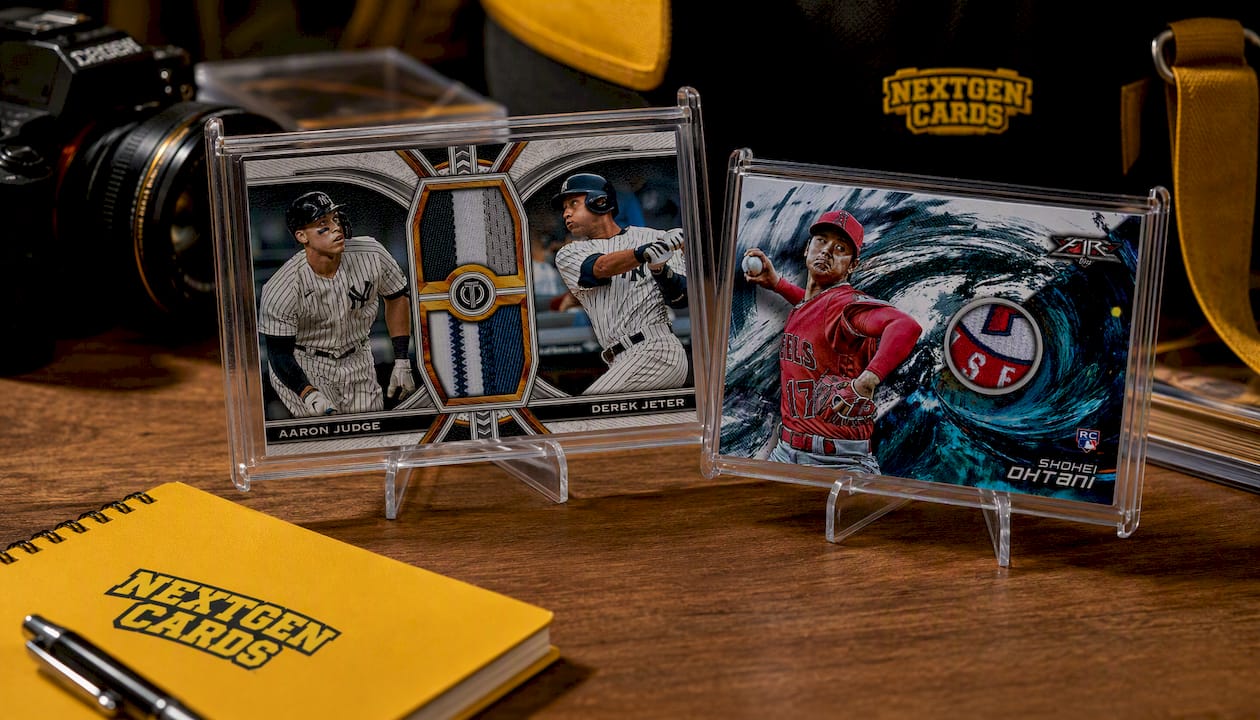
If you’re drawn to the same scarcity and provenance that make Shield cards special, Nextgencards carries pieces built on that exact appeal. The 2023 Aaron Judge Derek Jeter Topps Tribute Dual Jersey Patch Redemption Card pairs two Yankees legends in a single dual-patch redemption, a strong fit for collectors who want star power and relic scarcity in one piece. The 2018 Shohei Ohtani Topps Fire Rookie Jersey Patch RC Rare Redemption Card offers rookie-year patch appeal tied to one of the sport’s most recognizable names, appealing to anyone chasing early-career relics before prices climb further.
This site offers a curated alternative for collectors preferring to buy from a vetted, focused inventory rather than sorting through numerous unverified listings on general marketplaces. Product pages provide clear details on the card and its rarity, and some items ship free. Browse the rookie autographs and relics collection or check current featured listings to see what’s available now, and add a verified rare card to your collection today.
Sources
- 2025 Panini National Treasures NFL Shield — SportsCardsPro
- The Ultimate Guide To NFL Shield Cards — CardLines
FAQ
What Is the Rarest NFL Card?
True 1-of-1 shield patch cards, especially autographed versions tied to star quarterbacks in premium sets like National Treasures, are generally considered the rarest cards in the football hobby because only one physical example can ever exist.
Which NFL Cards Are Worth the Most Money Right Now?
Autographed shield cards from top-tier active stars in high-end sets consistently rank among the highest-value football cards, with realized sales tracked through sources like SportsCardsPro reflecting that premium.
Is There a One-of-One Gold Shield Card for a Specific Player Available?
Gold shield patches are a newer variant tied to the NFL’s 2025 award-winner patch program, and availability of specific player cards depends on which manufacturers secure those jerseys and issue them in upcoming card releases.
What Makes a Card One of the Hottest in the Hobby Right Now?
Demand concentrates on cards combining scarcity, autograph authenticity, and current on-field relevance, which is exactly why shield cards tied to active star players routinely top hobby price trackers and auction results.
Where Should I Check Sales History Before Bidding on a Shield Card?
Sold eBay listings and specialist databases that log realized sales, rather than asking prices, give the most accurate read on what a comparable shield card actually sold for recently.
0 comments