

Topps Series 1 and Series 2 are the best starter baseball card series for beginners and kids entering the hobby in 2026. Both sets feature a 350-card base set with recognizable rookies, veterans, and stars, making the collecting goal clear from day one. Retail blaster boxes for each series run $20–$30, putting them well within reach for parents starting a kids sports card collection. This guide covers what makes these sets ideal, how retail and hobby formats compare, which alternative series are worth considering, and how to protect and organize a first collection.
1. why topps series 1 and 2 are the best starter baseball card series
Topps Series 1 and Series 2 are the flagship sets of the MLB card calendar, and their structure is purpose-built for beginners. Each series contains about 350 cards in the base set, giving new collectors a defined, achievable target. That clarity matters for kids. A finite goal keeps motivation high and prevents the overwhelm that comes with chasing hundreds of inserts and parallels.
The 2026 release schedule spaces the two sets perfectly for beginners. 2026 Topps Series 1 dropped on february 11, with 275 veterans, 30 rookies, and 10 future stars in the base set. 2026 Topps Series 2 follows on june 10, picking up at card number 351 and running through card 700. That sequential structure means the two sets function as chapters in a single season story, which Baseball America describes as a manageable season chapter approach that keeps collecting focused and rewarding.
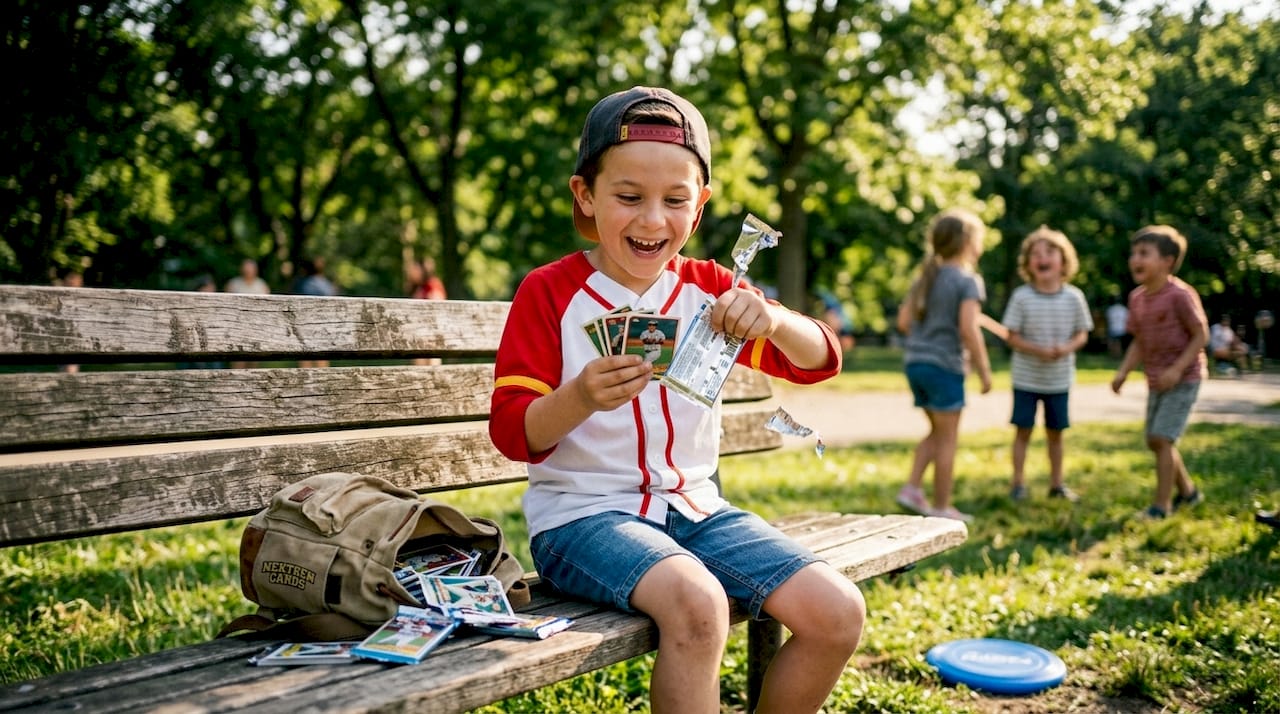
Topps also recommends beginners stick to one product type to reduce decision fatigue. Starting with Series 1 blasters and adding Series 2 later is exactly that kind of focused plan.
Key reasons Series 1 and Series 2 work for beginners:
- Clear base set size: 350 cards per series gives kids a concrete collecting goal.
- Recognizable players: Rookies, stars, and veterans appeal to fans of any team.
- Consistent annual releases: New collectors can return every year with the same format.
- Retail availability: Blaster boxes are sold at Target, Walmart, and hobby shops nationwide.
- Low complexity: Standard base set structure avoids confusing insert tiers for new hobbyists.
Pro Tip: Start with Series 1 blasters in february and add Series 2 packs in june. That two-phase approach spreads the cost and keeps the hobby fresh through the baseball season.
2. retail vs. hobby boxes: which format suits beginners?
The format you buy matters as much as the series you choose. Retail and hobby boxes serve different purposes, and picking the wrong one early can dampen enthusiasm or strain a budget.
| Format | Price Range | Best For | Guaranteed Hits? |
|---|---|---|---|
| Retail Blaster Box | $20–$30 | Beginners, kids, casual collectors | No guaranteed autographs |
| Retail Hanger/Fat Pack | $10–$15 | Single-session fun, low commitment | No |
| Hobby Box | $90–$200+ | Experienced collectors, investors | Yes, autographs and relics |
Retail blaster boxes are the right starting point for most parents and kids. They cost $20–$30, are easy to find at major retailers, and deliver the pack-opening experience that makes the hobby fun. The tradeoff is that you will not pull a guaranteed autograph or relic card from a retail box.
Hobby boxes sit in the $90–$200+ range and include guaranteed hits like autographs and jersey relics. That premium makes sense once a collector knows which players and card types they care about. Jumping straight to hobby boxes before developing those preferences is a common beginner mistake.
The hobby community consensus is consistent: start with retail for volume and learning, then upgrade to hobby boxes once interest and preferences solidify. That path protects your budget and keeps the experience enjoyable.
Retail format advantages for beginners:
- Lower cost per session keeps collecting sustainable.
- Volume of packs means more cards to sort and organize.
- Widely available at Target, Walmart, and sporting goods stores.
- No pressure to pull a specific hit card.
Pro Tip: Buy one blaster box per series to start. Open packs together as a family activity. That shared experience builds the habit before you consider spending more on hobby boxes.
3. alternative beginner series worth knowing
Topps Series 1 and Series 2 are the top recommendation, but a few other sets come up regularly in beginner discussions. Understanding their strengths and limits helps you make a confident choice.
Bowman and Topps Chrome are the next most popular options. Bowman focuses on prospects and minor league players, which adds an investment angle but also more complexity. Chrome cards have a distinct refractor finish that kids often love. The downside is that both products run higher in price and require more knowledge to navigate. A parent who does not follow prospect rankings will find Bowman harder to enjoy than Series 1.
Topps Heritage recreates the design of classic Topps sets from decades past. It appeals to collectors with nostalgia for older cards, but the vintage aesthetic does not always connect with younger kids. Heritage also includes short prints and variations that can frustrate beginners chasing a complete set.
Leaf and Pro Set are budget-friendly brands with lower production values. They carry less resale value and are not widely traded in the hobby community. Starting with these sets can create confusion when a child tries to trade or research card values later.
Pre-packaged starter kits sold at hobby shops sometimes bundle a small card set with penny sleeves, a binder, and a checklist. These kits are genuinely useful for very young collectors because they remove the guesswork from setup. The cards inside are usually lower-value base cards, but the organizational tools are worth having regardless.
The clearest advice for beginners: choose a series with a familiar player base, a defined set size, and wide retail availability. Topps Series 1 and Series 2 check all three boxes. Bowman is a reasonable second step after six months in the hobby, not a starting point.
4. how to buy, protect, and organize a starter collection
Buying cards is only part of the hobby. Protecting and organizing them teaches kids responsibility and keeps the collection in good condition for years.
- Buy penny sleeves first. Penny sleeves are soft plastic sleeves that cost less than a cent each. Every card worth keeping goes into a sleeve immediately after opening.
- Add rigid top loaders for keeper cards. A top loader is a hard plastic holder that protects cards from bending. Use them for rookies, stars, and any card your child wants to keep long-term.
- Use a binder with card pages for the main collection. A standard nine-pocket binder page holds nine cards and lets kids flip through their collection visually. This display format keeps kids engaged and makes organizing feel like part of the fun.
- Set a fixed number of keeper cards. Define a limit, such as 10 keeper cards per series, that go into top loaders. This controls overspending and teaches kids to prioritize the cards they value most.
- Teach proper card handling. Cards should be held by the edges. Hands should be clean and dry. Keep cards away from food, drinks, and direct sunlight.
- Focus on a team or a position. Collecting by team or rookie is more achievable than chasing a full 350-card set. A child who loves the New York Yankees or wants every catcher in the set has a clear, motivating goal.
- Create a simple collecting routine. Open packs on a set day each week or month. Sort cards together. Update the binder. Consistency builds the habit and keeps enthusiasm steady.
Pro Tip: Print a free checklist for Series 1 from Beckett or the Topps website. Let your child check off cards as they collect them. That visual progress is one of the most powerful motivators in the hobby.
Key takeaways
Topps Series 1 and Series 2 are the clearest entry points for beginner baseball card collectors because their structured base sets, affordable retail formats, and consistent releases make the hobby manageable and fun from day one.
| Point | Details |
|---|---|
| Best starter series | Topps Series 1 and Series 2 offer 350-card base sets with rookies and stars. |
| Best buying format | Retail blaster boxes at $20–$30 are ideal before upgrading to hobby boxes. |
| Protect cards early | Use penny sleeves and top loaders for keeper cards from the first pack opened. |
| Focus collecting goals | Target a favorite team or rookie subset to keep spending controlled and motivation high. |
| Avoid complexity early | Skip Bowman and Chrome until the collector has six months of experience. |
My take on starting a baseball card collection right
The single biggest mistake I see parents make is buying a hobby box on day one because it sounds more exciting. A $150 hobby box handed to a child who does not yet know the difference between a base card and a refractor is a fast way to waste money and kill interest. Start with a $25 blaster box of Series 1. Open it together. Let the kid sort the cards, find their favorite player, and feel the satisfaction of organizing something they own.
What I appreciate most about Topps Series 1 and Series 2 is the structure. The sequential numbering from card 1 through 700 across both series gives beginners a clear map of the hobby. That structure is not accidental. It is designed to keep collectors coming back, and it works especially well for kids who respond to checklists and completion goals.
The protection habits matter more than most guides admit. A child who learns to sleeve a card on day one develops respect for the hobby. That respect translates into better decisions later, whether they are trading with friends or eventually buying a certified rookie autograph as their collection grows.
My honest recommendation: buy Series 1 blasters in february, add Series 2 in june, keep a binder, set a keeper limit, and let the hobby grow at its own pace. The collectors who stick with it long-term almost always started simply.
— Richard
Start your collection with Nextgencards
Nextgencards carries a curated selection of Topps baseball cards and rare rookie autographs for collectors at every stage of the hobby. If you are starting a collection for your child, the flagship Topps sets are the right foundation. When your collector is ready to pursue something more exclusive, Nextgencards offers rare rookie autographs and relics from athletes like Shohei Ohtani and Aaron Judge, authenticated and ready to add serious value to any collection.
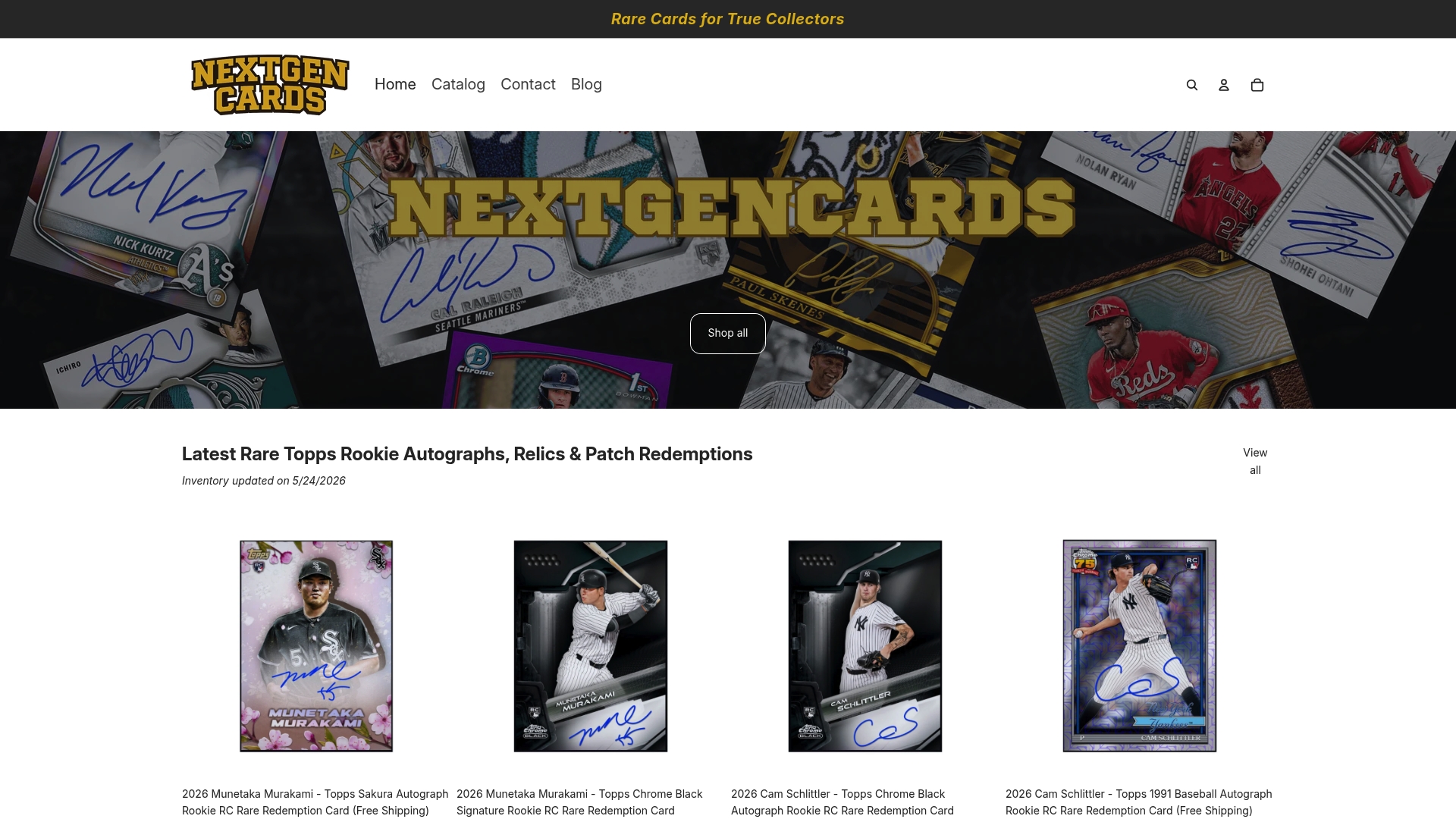
Free shipping is available on select items, and the inventory is updated regularly with limited-edition cards that serious collectors watch closely. Whether you are buying a first blaster box or hunting a scarce prospect signature, Nextgencards is a trusted source for authentic, high-quality sports trading cards.
FAQ
What is the best starter baseball card series for kids?
Topps Series 1 is the top choice for kids starting a collection. Its 350-card base set features recognizable rookies and stars, and retail blaster boxes are available for $20–$30 at major retailers.
How much should i spend on a beginner baseball card box?
Retail blaster boxes in the $20–$30 range are the right starting point. Hobby boxes cost $90–$200+ and are better suited for collectors who already know their preferences.
When does 2026 topps series 2 release?
2026 Topps Series 2 releases on june 10 and continues the base set from card 351 through 700. It includes rookies, team cards, buybacks, and insert variations.
Should beginners collect bowman or topps series 1?
Topps Series 1 is the better starting point. Bowman focuses on prospects and carries more complexity and higher prices, making it a stronger choice after a collector has six months of experience.
How do i protect my child’s baseball cards?
Place every keeper card in a penny sleeve immediately after opening, then add a rigid top loader for the most valued cards. Store the full collection in a binder with card pages for easy display and protection.
Recommended
- 2026 Sal Stewart Topps Baseball Stars Signature Rookie RC Rare Card – Next Gen Cards LLC
- 2026 Sal Stewart Topps Baseball Stars Green Signature Rookie RC Rare Card – Next Gen Cards LLC
- Examples of Appreciating Rookie Cards: 2026 Collector Guide – Next Gen Cards LLC
- 2026 Kon Knueppel - Topps Future Stars Autograph Rookie Rare RC Card – Next Gen Cards LLC
0 comments