

For authenticated rookie autographs, patch/relics, and limited redemptions, Nextgencards is the specialty shop alternative to eBay that serious US-based collectors should check first. Unlike broad marketplaces where listings number in the millions but vetting is inconsistent, curated specialty retailers apply stricter authentication standards and hand-select inventory so you spend less time filtering and more time collecting.
- Curation over volume. Specialty shops stock only verified, high-value cards. You won’t wade through thousands of ungraded commons to find a PSA 10 rookie patch autograph.
- Mandatory authentication. Reputable specialty retailers require third-party grading from PSA, BGS, or SGC on high-value items, or they document provenance and COA details before listing.
- Insured, tracked shipping. Shop-owned inventory ships with insurance and tracking as standard, reducing the risk of loss or damage that can complicate eBay disputes.
Pro Tip: Before you buy anywhere, pull the cert number from the slab label and verify it directly on the PSA, BGS, or SGC database. A legitimate slab’s cert number matches the card description exactly.
According to a 2026 marketplace overview, eBay carries a very large number of sports card listings, yet authentication-first and specialty shops have grown specifically to serve high-value niches where that volume works against buyers.
Key Takeaways
Specialty shops that require third-party grading, publish cert numbers, and ship with insurance give serious collectors a structurally safer buying experience than general marketplaces for authenticated rookie autographs, patch/relics, and limited redemptions.
| Point | Details |
|---|---|
| Verify cert numbers first | Cross-check every slab’s cert number on PSA, BGS, or SGC’s database before paying. |
| Require high-res photos | Insist on sharp front and back images; blurry or partial photos are a reason to stop. |
| Stack red flags, then walk | One issue is a question; multiple red flags together (low price, vague photos, no returns) mean walk away. |
| Know the sourcing model | Shop-owned inventory ships in 3–7 business days with firm guarantees; consignment adds time and variability. |
| Nextgencards curated inventory | Offers authenticated rookie autographs, patch/relics, and redemptions with cert verification and insured shipping. |
Table of Contents
- Why specialty online card shops can beat eBay for rare autographs and patches
- What should you verify on any rare-card listing before you buy?
- Red flags that tell you to walk away from a listing
- How a shop’s sourcing model changes price, guarantees, and delivery time
- Step-by-step buying checklist for a high-value specialty-shop purchase
- What long-term collectors actually know about buying rare cards
- Nextgencards: a vetted specialty alternative for serious collectors
- Sources
Why specialty online card shops can beat eBay for rare autographs and patches
Specialty shops reduce fraud risk and save time through curation and stricter authentication policies, following community-driven standards like those seen on the Baseball Poker My Picks Hub. On a general marketplace, any seller can list a card with minimal verification. A specialty retailer’s entire business model depends on the accuracy of every listing, which creates a structural incentive for higher standards.
Authentication pipelines matter. Shops that require mandatory third-party grading for high-value items give you a verifiable paper trail. A PSA, BGS, or SGC slab is not just a grade; it’s a documented record tied to a cert number you can cross-check independently. In-house authentication alone, without a third-party slab or a credible COA, offers far weaker buyer protection. Authentication-first shops can command premiums for this reason, but the tradeoff is reduced counterfeit exposure.
Curated inventory benefits include:
- Direct relationships with distributors and redemption holders, which mean access to exclusive or early-release cards
- Consistent photography standards (high-resolution front and back scans)
- Documented serial numbers and print-run details on every limited-edition listing
The tradeoffs are real. Specialty shops carry narrower selection than eBay, and prices often reflect authentication and curation costs. Delivery times can run longer for consignment or redemption-based inventory.
Pro Tip: Evaluate a shop’s authentication rigor by checking whether their listings include the cert number and grader name, then verify that cert number on the grader’s official database before you commit to a purchase.
What should you verify on any rare-card listing before you buy?
Verify grading and photos first, then provenance and seller terms. That order matters because a cert-number mismatch or blurry photo ends the evaluation immediately, saving you time on everything else.
Verification checklist:
- Grade and cert number. Confirm the grade on the slab matches the grader’s database entry for that cert number. Swapped cards inside legitimate slabs are a known fraud vector.
- High-resolution front and back photos. Blurry or partial images are a red flag; sharp, straight-on photography of both sides exposes trimming, restoration, and corner wear.
- Edges and centering. Look for clean, uncut edges and consistent borders. Cropped or uneven edges suggest trimming.
- Autograph authentication. Confirm whether the autograph was authenticated separately or together with the card. As noted in this authentication guide, sellers often omit this distinction, but it materially affects value and your verification steps.
- Serial and print-run information. Every limited-edition card should display its serial number (e.g., /25, /10, 1/1) clearly in the listing photos.
- Provenance and COA documentation. For autographs not in a graded slab, a COA from a reputable authenticator (JSA, Beckett Authentication) is the minimum standard.
- Return policy. A clear, written return window protects you if the card arrives misrepresented.
- Insured shipping. Confirm the seller ships with insurance and tracking. No insurance on a four-figure card is unacceptable.
- Payment method and dispute pathway. Pay with a credit card or a platform that offers buyer protection. Understand how disputes are handled before you pay.
Platform fee structures and buyer-protection norms vary significantly across marketplaces, which means your net cost and risk exposure depend heavily on where you buy, not just what you pay.
Red flags that tell you to walk away from a listing
Walk away when multiple red flags stack together. A single imperfect photo is a question; blurry photos combined with a price far below market and a seller who deflects questions is a pattern. Modern counterfeits use high-resolution printing, chemical washes, and precision trimming, so no single visual check is sufficient. View red flags cumulatively.
Common red flags:
- Blurry or missing back photos
- Edges that appear cut or cropped, suggesting trimming
- Cert numbers that don’t match the grader’s database, or no cert number at all
- No COA or provenance documentation for raw autographs
- A price significantly below recent comparable sales
- No return policy or a policy limited to “as described” with no recourse
- Pressure to pay outside protected channels (Venmo, wire transfer, gift cards)
- A seller who becomes defensive when asked for additional photos or in-hand verification
Patience is a genuine asset in this hobby. Experts advise that if a deal feels off, the right move is to walk away. There are enough legitimate, well-documented examples in the market to wait for a better listing.
Pro Tip: Request a short video of the card in hand, or ask for a dated in-hand photo with a coin for scale. A legitimate seller with nothing to hide will send it promptly.
How a shop’s sourcing model changes price, guarantees, and delivery time
The sourcing model explains most price and guarantee differences between specialty shops. Buy-now inventory ships faster with firm guarantees; consignment can lower the list price but introduces variability; drops and limited releases carry premiums and pre-order risk.
| Sourcing Model | Typical Price | Delivery Time | Buyer Guarantees |
|---|---|---|---|
| Shop-owned (buy-now) | Market rate or slight premium | 3–7 business days | Insured shipping, shop return policy, cert verification |
| Consignment | At or below market | 7 business days | Varies by shop; seller-dependent terms |
| Drops / limited releases | Premium above market | Pre-order; varies | Allocation-based; refund if unfulfilled |
Shop-owned buy-now inventory shortens lead time and usually includes shop guarantees, while consignment can lower list prices but often increases delivery windows. For a high-value redemption card, knowing which model applies tells you what to expect before you order.
Step-by-step buying checklist for a high-value specialty-shop purchase
Follow these steps in order before you buy. Cert checks before payment, and in-hand verification before final acceptance, are the two steps collectors most often skip and most often regret skipping.
- Research comps and population reports. Check recent sales on multiple platforms and pull the population report from PSA or BGS to understand scarcity. Use the undervalued cards guide to calibrate your price expectations.
- Confirm the cert number. Look up the slab cert number on the grader’s official database before anything else.
- Request full-resolution front and back scans. If the listing photos are insufficient, ask the shop directly.
- Confirm provenance and COA. For autographs, verify the authenticator and whether the auto or the card was authenticated.
- Review return and shipping insurance policies. Read the actual policy, not just the summary.
- Pay with a protected method. Credit card or a platform with documented buyer protection.
- Inspect on arrival and re-check the cert number. Confirm the physical card matches the listing photos and that the cert number on the slab still matches the grader’s database.
For guidance on types of rare cards and what to expect from specialty retailers’ inventories, that resource covers autographs, patches, and redemptions in detail.
What long-term collectors actually know about buying rare cards
The conventional wisdom in this hobby is that the best deals are on eBay because of volume. That’s true for common cards. For authenticated rookie autographs, patch/relics, and limited redemptions, volume is actually the problem. More listings means more noise, more counterfeits, and more sellers who know that a buyer scrolling through thousands of results is less likely to do thorough due diligence on any single card.
Serious collectors who hold cards for years rather than flipping them quickly understand that provenance documentation compounds in value over time. A rookie patch autograph with a clean cert history, a COA from a reputable authenticator, and documented chain of custody is worth meaningfully more at resale than the same card with a murky background. Grading adds value when the card genuinely merits a high grade; submitting a borderline card to PSA or BGS hoping for a 9 or 10 is a cost, not an investment.
The patience rule applies to sourcing too. Waiting for a shop-owned, authenticated listing at a fair price beats chasing a consignment card with incomplete documentation at a slight discount.
Nextgencards: a vetted specialty alternative for serious collectors
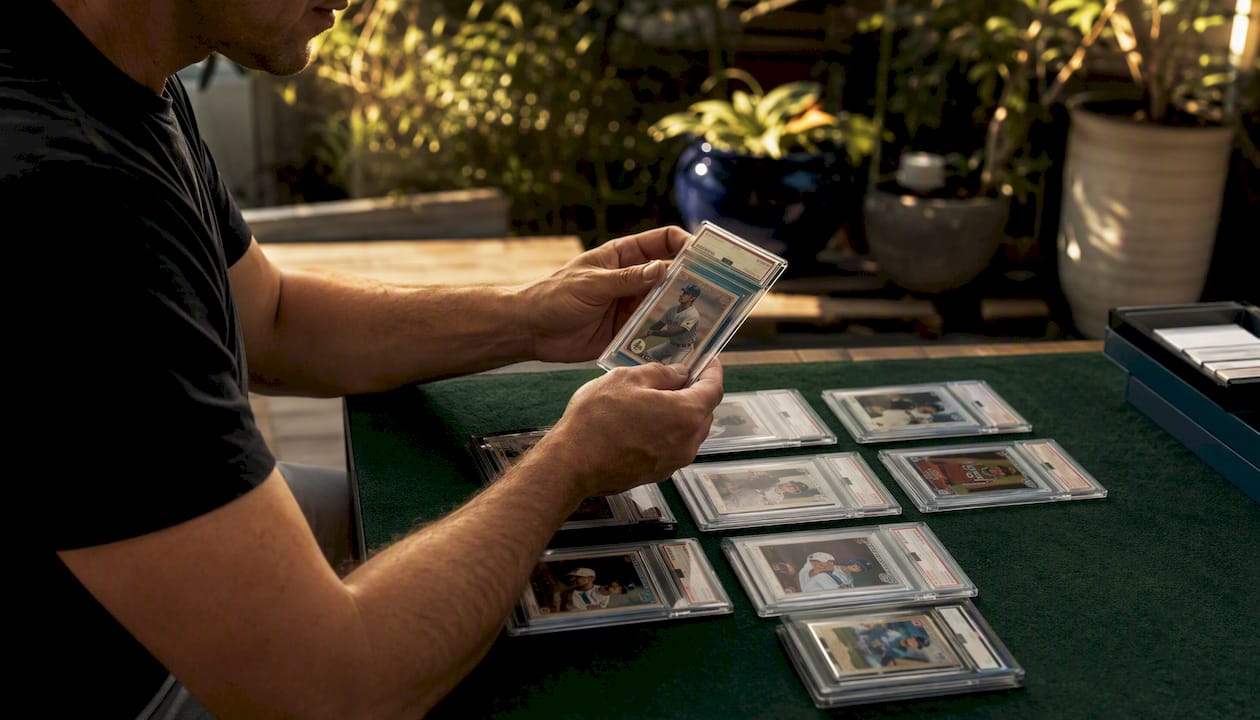
Nextgencards stocks curated rookie autographs, patch/relics, and rare redemption cards for US-based collectors who want authenticated inventory without the noise of a general marketplace. Every listing includes cert-number verification, high-resolution photography, and documented provenance where applicable. Insured shipping and a clear return policy are standard.
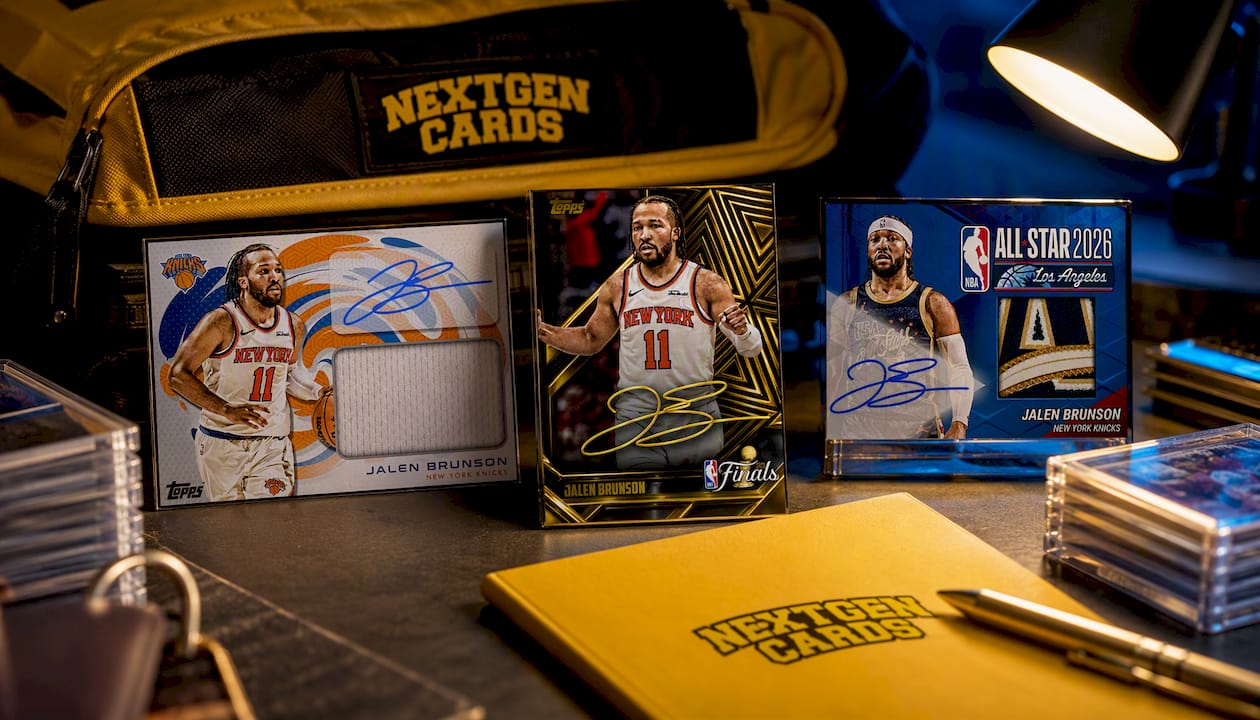
Three current examples from the curated inventory show what that standard looks like in practice. The 2026 Jalen Brunson Topps Full Court Jersey Patch Autograph is a rare redemption card with free shipping, combining a game-used patch with a certified autograph. The 2026 Jalen Brunson Topps Champions Autograph Rare Redemption Card illustrates the limited-edition redemption model with documented scarcity and free shipping. For collectors targeting All-Star memorabilia, the 2026 Jalen Brunson Topps All Star Game Jersey Patch Autograph combines event-specific provenance with patch and autograph authentication.
Customer service is available for provenance questions before purchase. Browse the full curated inventory at Nextgencards to find authenticated cards that meet the verification standards this guide outlines.
Sources
Use these resources to validate slabs, check population reports, and understand buyer protections before committing to any purchase.
- Hobby Education: How to Effectively Buy Cards Online and What to Avoid
- Best Sports Card Marketplaces 2026 - Hall of Cards
- Sports Memorabilia Authentication Guide
0 comments